
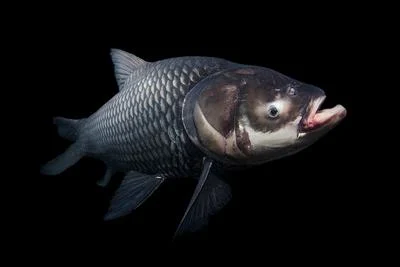
A new United Nations report highlights a dramatic 81 percent decline in migratory freshwater fish populations worldwide over the past 50 years. The report, released during a U.N. meeting on migratory wildlife in Brazil, warns that hundreds of freshwater species critical to the livelihoods of hundreds of millions of people face severe threats from climate change, pollution, dam construction, and overfishing.
The report emphasizes that freshwater ecosystems are deteriorating faster than terrestrial and marine environments. Across the globe, more than 250 rivers and lakes cross national borders, necessitating international cooperation for effective conservation efforts.
Migratory Fish Face Growing Threats
The decline in migratory freshwater fish exemplifies broader ecosystem challenges. One notable species is the dorado catfish of the Amazon basin, which undertakes the longest migration of any freshwater fish—traveling around 7,000 miles between spawning grounds in the Peruvian Andes and feeding areas at the Amazon River’s mouth in Brazil. Its population is increasingly endangered by infrastructure projects such as dams, as well as mining and deforestation along its migration route.
Currently, only 24 freshwater fish species are protected under the U.N. Convention on Migratory Species. However, the report identifies an additional 325 species as candidates for international protection based on their vulnerability.
Rivers and Their Threatened Fish Populations
The report also identifies several major transboundary river basins at particular risk, including the Amazon, the Danube in Europe, the Nile in Africa, the Ganges in India, and the Mekong in Southeast Asia. Habitat fragmentation, pollution, and diminished water flows in these basins are putting migratory fish at increasing risk.
Calls for Cross-Border Conservation Cooperation
Coauthor Michele Thieme, deputy lead of freshwater at World Wildlife Fund U.S., stressed the importance of international cooperation, saying, “Rivers don’t recognize borders — and neither do the fish that depend on them.” The ongoing degradation of freshwater habitats, paired with insufficient protection under international frameworks, underscores an urgent need for coordinated policy and conservation action.
Why it matters
Migratory freshwater fish are a vital food source for hundreds of millions of people and play essential roles in maintaining freshwater ecosystem health. Their sharp decline signals broader environmental degradation that threatens biodiversity, water security, and economic livelihoods. Strengthening international protections and improving river basin management are critical to reversing these trends before more species become critically endangered.
Read more Climate & Environment stories on Goka World News.