Congress is considering legislation that would strip federal protection from endangered gray wolf populations, reversing decades of recovery efforts and increasing risks of population decline across key U.S. regions. The bills target Mexican gray wolves in the Southwest and northern gray wolves in the Northern Rockies and Great Plains.
Legislative Efforts to Remove ESA Protections
On January 22, the House Natural Resources Committee advanced the “Enhancing Safety for Animals” bill, authored by Representative Paul Gosar (R-Ariz.), which would remove Endangered Species Act (ESA) protections for Mexican gray wolves. The Mexican gray wolf population is critically low, with an estimated 319 individuals in the wild and approximately 380 in captivity, all descended from just seven original breeding animals.
Another bill, the “Pet and Livestock Protection Act,” sponsored by Representatives Lauren Boebert (R-Colo.) and Tom Tiffany (R-Wis.), seeks to eliminate ESA protections for gray wolves in the Northern Rockies and Great Plains. This bill passed the House in December and is currently awaiting Senate consideration. Importantly, it would block judicial review of this delisting mandate, preventing future challenges to the removal of federal protections.
Current Wolf Populations and Threats
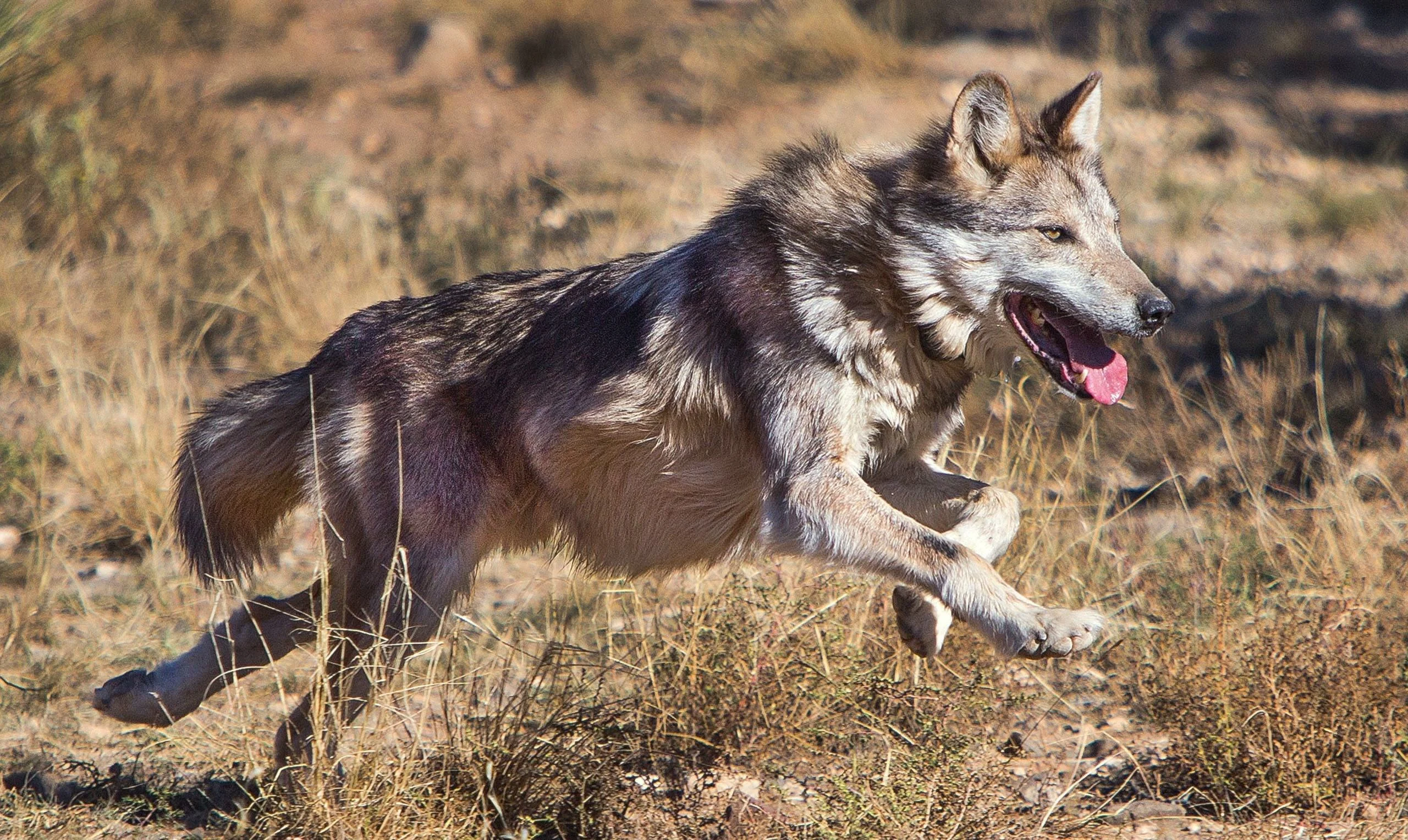
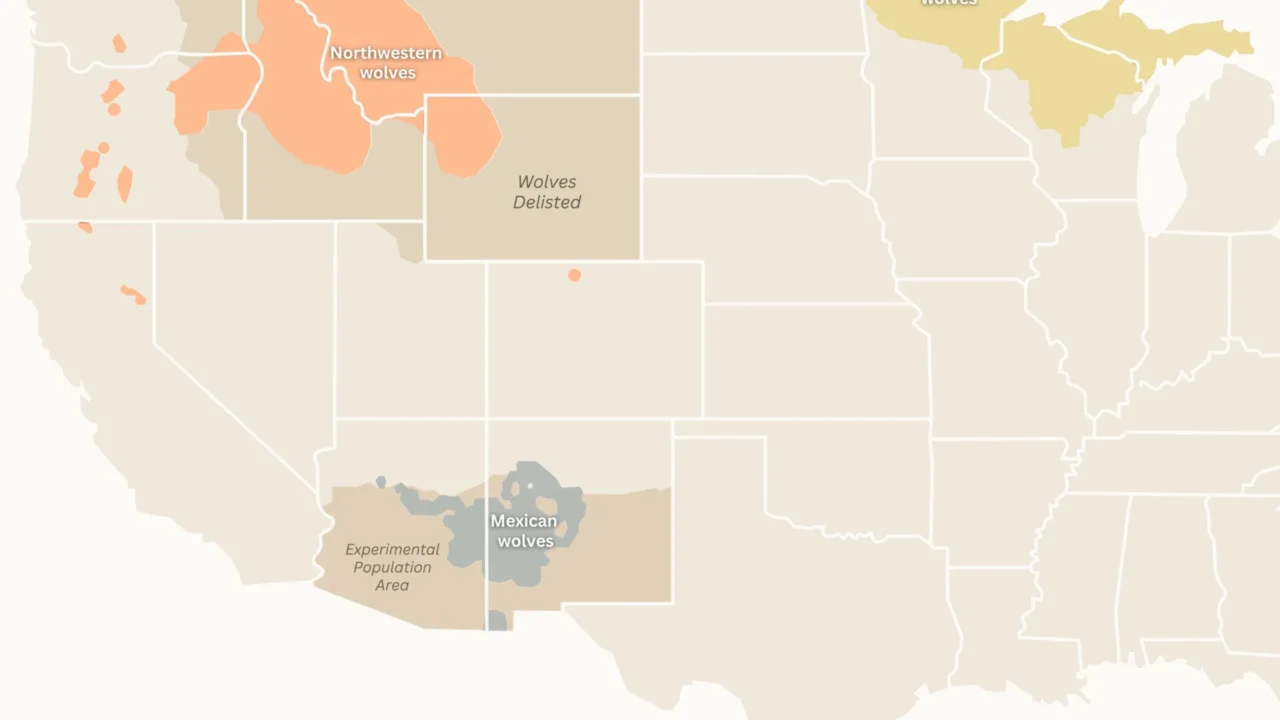
The Mexican gray wolf, the smallest and most endangered gray wolf subspecies, faces possible extirpation in the wild, with fewer than 40 individuals estimated to survive in Mexico, where threats include poisoning and limited habitat. In southern Arizona and New Mexico, these wolves are protected as a “non-essential, experimental population” but are confined south of Interstate 40, restricting their ability to repopulate historic ranges.
Meanwhile, northern gray wolves—including the Northwestern subspecies in Montana, Idaho, and Wyoming, and the Great Plains subspecies in the Midwest—have seen recovery successes but face renewed declines due to state-sanctioned hunting and trapping. Efforts in Montana allow hunters to kill up to 15 wolves per season, and in Wyoming and Idaho, brutal methods such as neck snares, aerial gunning, and den killings are permitted following federal delisting. These populations are estimated at fewer than 3,000 in the Northern Rockies and about 5,000 in the Great Plains states where protections remain.
Political and Social Context of Wolf Management
Opponents of federal wolf protections, including Representatives Boebert and Gosar, argue that wolves cause significant harm to livestock, humans, and game species, though scientific data shows wolves are responsible for less than one percent of farm animal deaths. Public animosity toward wolves remains high, exemplified by local governmental actions such as the declaration of wolves as a “natural disaster” in New Mexico’s Catron County, a status used to justify funding for increased anti-wolf enforcement.
Critics of current wolf management highlight that legislative and regulatory decisions are often driven by misinformation, ranching interests, and longstanding cultural hostility rather than scientific evidence. Efforts to curb wolf populations have historically been linked to myths and unfounded fears, undermining conservation successes such as the reintroduction of wolves to Yellowstone National Park in the mid-1990s.
Livestock Losses and Controversies Over Depredation Data
While Mexican gray wolves do occasionally kill livestock, ranchers receive compensation through government programs. Investigations have revealed instances of inflated or fraudulent depredation reports, including claims that some agency employees were pressured to record wolf predation without evidence. These revelations have fueled debates over the accuracy of losses attributed to wolves and intensified calls for relaxed protections.
Why it matters
Gray wolves play a critical ecological role in controlling herbivore populations and promoting biodiversity. Their recovery represents one of the United States’ notable conservation achievements. However, the pending legislation threatens to reverse gains by enabling expanded lethal control without scientific oversight, increasing the risk of population declines and possible extinction for the Mexican gray wolf subspecies. The bills also limit judicial recourse, reducing checks on aggressive state-level killing programs. Continued political clashes over wolf management highlight the broader challenges of balancing wildlife conservation with agricultural and recreational interests.
Background
The ESA, enacted in 1973, was instrumental in protecting gray wolves federally after near extinction caused by trapping, shooting, and poisoning. The Mexican gray wolf population was reduced to as few as seven individuals in the wild before recovery efforts began. Northern gray wolves were reintroduced to Yellowstone and other areas in the mid-1990s following long absences. However, federal delisting of wolves in some states has permitted expanded hunting and trapping, leading to renewed population declines amid controversial management practices.
Read more Climate & Environment stories on Goka World News.