
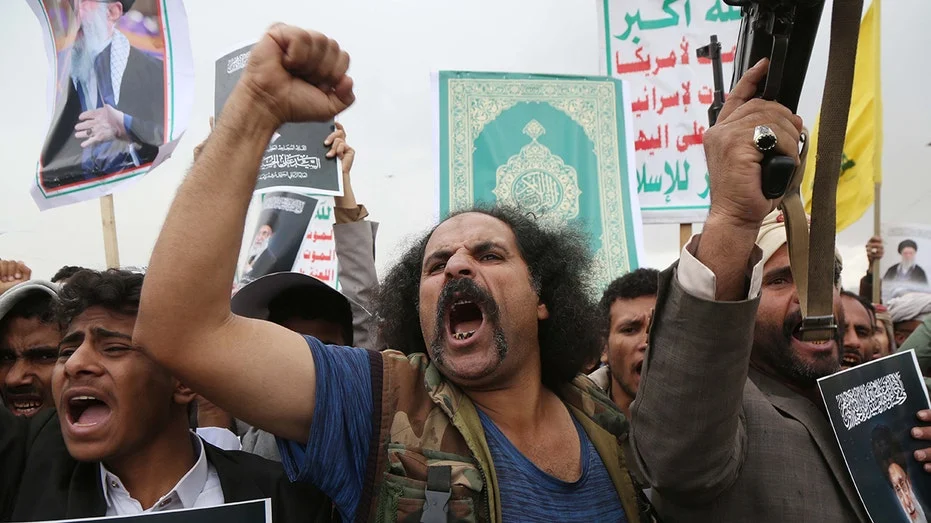
The Iran-backed Houthi movement in Yemen launched ballistic and cruise missile attacks targeting Israeli military sites on Saturday, creating a new front in Israel’s ongoing conflict with Iran and its regional proxies. The Israel Defense Forces (IDF) said it intercepted both types of missiles, preventing damage from the strikes.
The missile attacks mark a significant escalation as they demonstrate Tehran’s intent to exert pressure beyond the well-known Strait of Hormuz corridor amid its negotiations with the United States. Analysts describe the Houthis’ involvement as part of a broader strategy coordinated by Iran’s Revolutionary Guard Corps (IRGC) and its affiliated “Axis of Resistance” network.
Houthi Capabilities and Strategic Goals
The Houthis have previously withstood extensive US and Israeli airstrikes, relying on missile and drone capabilities to disrupt regional maritime routes and apply pressure on neighboring countries. Experts explain that ‘winning’ for the Houthis and Iran primarily means prolonging the conflict to increase costs for their adversaries rather than securing decisive military victories.
Besides targeting Israel, the Houthis have in the past conducted attacks against shipping in the Red Sea and the Gulf of Aden, threatening critical international trade routes. Analysts warn these disruptions could intensify if hostilities escalate further, potentially drawing in other regional actors like Saudi Arabia.
Context of Iran-Houthi Relations and Regional Tensions
The Houthis control much of northwest Yemen, including the capital Sanaa, following their 2015 takeover from the internationally recognized government. They maintain a vehemently anti-Israel and anti-American stance embodied in their official slogan, which calls for death to America and Israel.
Since October 2023, when Hamas launched a large-scale attack on Israel, the Houthis have aligned themselves with Palestinian militants, participating in the broader conflict by striking Israeli territory, including a drone attack that killed an Israeli civilian in 2024.
The recent missile strike comes amid reports that Iran is pressing the Houthis to open additional fronts against Israel, seeking leverage in renewed diplomatic talks with the United States. However, analysts caution that while the Houthis remain fierce opponents of Israel and its allies, their military supply lines from Iran could soon be severed by increased US security measures, limiting their ability to sustain extended campaigns.
Why it matters
The opening of a third front by the Houthis underscores the escalating complexity of the Middle East conflict involving Israel, Iran, and their respective proxies. This development increases the risk of wider regional instability and poses direct threats to critical international shipping lanes in the Red Sea. It also reflects Iran’s use of proxy forces to exert political and military pressure without direct confrontation, complicating diplomatic efforts to de-escalate tensions.
Read more World News stories on Goka World News.