
Iran’s parliament speaker, Mohammad Baqer Qalibaf, issued a strong denial Sunday to reports that the United States is preparing ground operations inside Iran. He stated Tehran will “never accept humiliation” in response to alleged US intentions to escalate military actions aimed at countering Iran’s nuclear program and securing the Strait of Hormuz.
The comments followed a Washington Post report outlining Pentagon preparations for limited ground raids that could last several weeks if approved by President Donald Trump. These plans reportedly focus on targeting remnants of Iran’s nuclear infrastructure and key sites near the Strait of Hormuz, such as Kharg Island, a vital energy export hub.
White House Press Secretary Karoline Leavitt emphasized that while the Pentagon is preparing options to provide the president “maximum optionality,” no decision has been made to deploy ground forces. Similarly, Secretary of State Marco Rubio noted that the US is not currently positioned for a ground invasion, though US officials continue to consider a range of military and diplomatic responses.
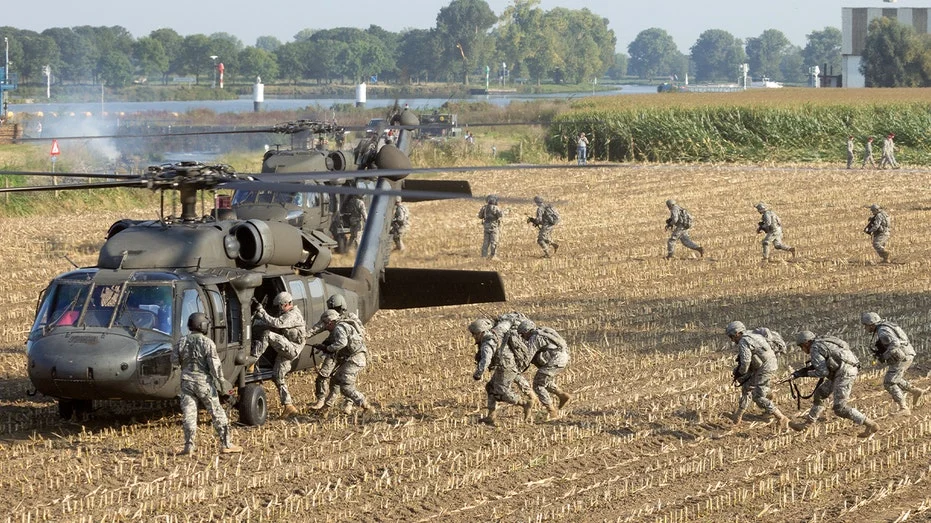
The US has already deployed approximately 1,500 troops from the 82nd Airborne Division to the Middle East, with additional forces arriving on amphibious assault ships. These deployments underscore Washington’s intent to deter Iranian aggression but stop short of confirming a ground offensive.
The military risks associated with any US ground operations in Iran remain significant. Experts warn that even limited incursions could provoke sustained guerilla-style attacks against American forces, complicating efforts to resolve tensions quickly. The prospect of prolonged conflict has fueled debate within Washington and among international observers.
Meanwhile, diplomatic efforts continue alongside military posturing. The US recently offered Iran a 15-point ceasefire plan, including proposals to reopen the Strait of Hormuz and limit Iran’s nuclear ambitions. Tehran rejected the plan and presented counteroffers. The strait remains effectively closed for most oil tankers, raising concerns about global energy supplies. Iran has authorized limited passage for some Pakistani-flagged vessels amid heightened tensions in the region.
Why it matters
The potential for US ground operations against Iran signifies a major escalation in an already volatile region critical for global oil transport. Any military action inside Iran could destabilize the Strait of Hormuz, through which a significant portion of the world’s oil passes, exacerbating energy market volatility and regional security risks.
Iran’s firm rejection of US surrender demands signals a hardened stance that could prolong conflict dynamics and complicate diplomatic resolutions. The situation also places US troops at increased risk of insurgent attacks, raising urgent questions about the strategic viability and potential costs of ground intervention.
Background
Relations between the US and Iran have sharply deteriorated amid accusations over Iran’s nuclear program and threats to close the Strait of Hormuz, a vital artery for global oil shipments. The US has conducted strikes against Iran-backed militias and increased military presence in the Middle East multiple times over the past year.
Under Trump’s administration, there has been ongoing debate about the scale and scope of military engagement with Iran, balancing pressure to halt Iran’s nuclear development against the risks of open conflict. The current troop deployments and contingency planning reflect heightened tensions but remain subject to presidential approval and broader US strategic calculations.
Read more World News stories on Goka World News.