
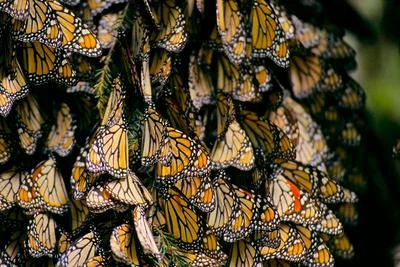
The population of monarch butterflies overwintering in central Mexico’s forests grew for the second year in a row, reaching 7.2 acres of tree coverage this season, up from 4.4 acres the previous year and 2.2 acres two years ago, according to data from WWF Mexico. This trend suggests the decline of the eastern monarch population, the world’s largest, may have stabilized after decades of decreases.
Scientists measure monarch abundance each winter by estimating the forest area occupied by clustered butterflies. While the recent figures remain well below the average of about 21 acres observed during the first decade of monitoring and below the 15-acre threshold considered sustainable, experts see hope in the reversal of the downward trend.
Karen Oberhauser, a leading monarch researcher at the University of Wisconsin-Madison, attributes the population increase partly to favorable weather, especially ample rainfall last year along the butterflies’ migratory path that boosted flower availability for adult monarchs. She also credits nationwide efforts to restore milkweed, the sole food source for monarch caterpillars, including urban gardens and parks, for helping slow the decline.
The primary cause of the historic monarch crash traces back to widespread adoption of genetically modified crops in the 1990s that tolerate glyphosate herbicides. As farmers sprayed these herbicides, milkweed plants in agricultural regions were eradicated, removing critical breeding habitat from monarchs.
In response to population concerns, the Biden administration proposed listing monarch butterflies as threatened under the Endangered Species Act in late 2024. However, the Trump administration delayed this decision, and the U.S. Fish and Wildlife Service has indicated no final ruling is expected before September 2026. Environmental groups have filed lawsuits to compel the agency to set a definitive timeline.
Both eastern and western monarch populations currently remain at historic lows. Experts warn that while good weather can temporarily boost numbers, negative environmental factors—including climate change—pose ongoing risks. Conservationists emphasize the need for extensive habitat restoration to ensure a sustainable monarch population in the future.
Why it matters
The stabilization of monarch butterfly numbers is significant because it may signal a halt to their multi-decade decline, offering a potential turning point for conservation efforts. Monarchs serve as an important ecological indicator species, and their recovery could reflect broader improvements in habitat health across North America. The pending decision on endangered species status also has implications for federal conservation policies affecting monarch habitat preservation.
Background
Every fall, tens of millions of monarchs east of the Rocky Mountains migrate to forests in central Mexico, where they overwinter clustered on tree branches. The eastern monarch population has declined drastically over the past 25 years primarily due to habitat loss from herbicide use on genetically modified crops that killed milkweed. Monarch caterpillars depend exclusively on milkweed, and its decline has led to population crashes. Researchers have monitored monarch wintering colonies since the 1990s to track population health.
Read more Climate & Environment stories on Goka World News.