
Since President Trump initiated a bombing campaign against Iran, gasoline prices in the United States have risen by about 20 percent, reaching $4.29 per gallon—the highest in nearly three years. This increase is linked to Iran’s blockade of oil tankers in the Strait of Hormuz, a critical chokepoint responsible for about 20 percent of global oil flow.
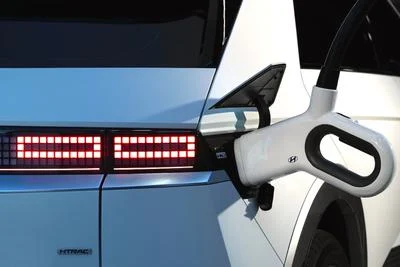
The surge in fuel costs has corresponded with a notable rise in consumer interest in electric vehicles (EVs). Steven Cegelka, head of Ignition Dealer Services, a consultancy for car dealers, noted that when gas prices approach $4 per gallon, car shoppers increasingly consider EV options. CarEdge, an online car-buying platform, reported a 20 percent increase in searches for electric vehicles following the initial military actions in Iran. Similarly, Edmunds, another car-buying resource, has observed a growing interest in EVs since the conflict began. Edmunds analysts stated that if high fuel prices persist, more consumers may prioritize fuel economy and electrification in their next vehicle purchases.
Historical patterns suggest such shifts in consumer behavior are likely. After Russia’s 2022 invasion of Ukraine, U.S. gas prices climbed above $5 per gallon, coinciding with a 66 percent increase in sales of battery-powered vehicles that year, Bloomberg reported.
In response to rising oil prices, the U.S. government recently withdrew oil from its strategic petroleum reserve and temporarily eased sanctions on Russian oil imports to stabilize fuel costs. At the same time, the Trump administration filed a lawsuit against California challenging its stringent fuel standards, which the administration characterizes as effectively mandating electric vehicles. Attorney General Pam Bondi argued that these policies inflate costs for consumers and violate federal law, asserting that the lawsuit aims to reduce expenses for Americans.
Why it matters
The link between geopolitical conflict and gasoline price volatility highlights vulnerabilities in global oil supply chains. The increased consumer demand for EVs in response to rising fuel prices could accelerate the transition to cleaner transportation, impacting energy markets and environmental policy. However, political disputes over fuel regulations, such as the California lawsuit, indicate ongoing tensions around the adoption pace of electric vehicles.
Background
The Strait of Hormuz serves as a strategic maritime passage for global oil shipments; disruptions there often lead to rapid increases in oil prices worldwide. Past conflicts affecting oil supplies have historically prompted shifts in consumer energy choices, as seen after Russia’s Ukraine invasion in 2022. The U.S. strategic petroleum reserve acts as a buffer to moderate fuel price shocks when international markets are unstable. Meanwhile, California’s strict emissions and fuel-efficiency standards are a long-standing model for aggressive EV adoption, which the federal government is currently contesting.
Read more Climate & Environment stories on Goka World News.