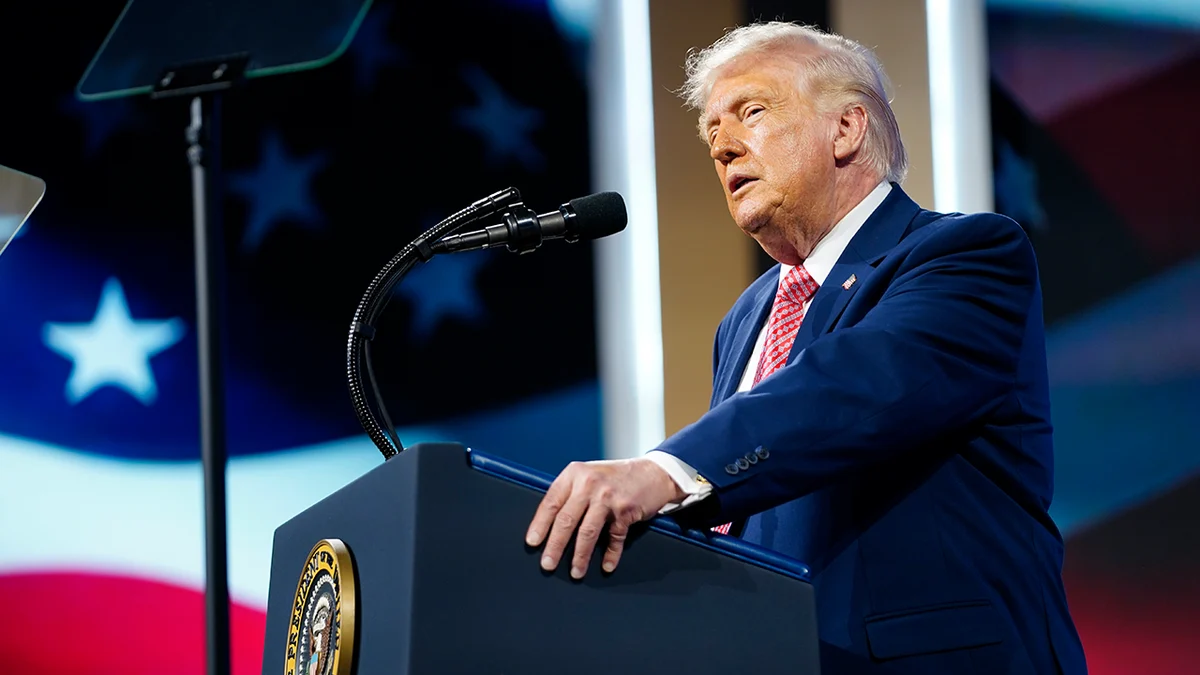
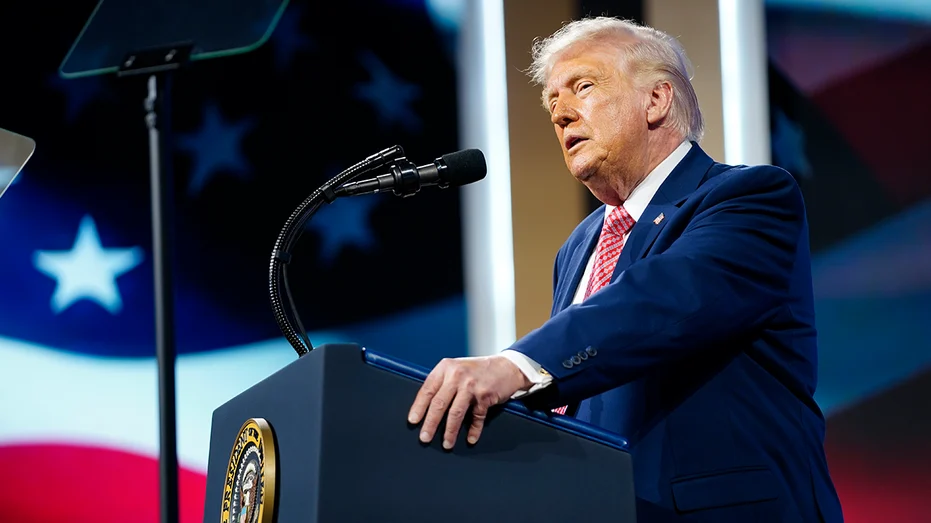
President Donald Trump suggested a shift in U.S. foreign policy focus to Cuba after marking progress in negotiations with Iran and the administration’s capture of Venezuelan leader Nicolás Maduro. Speaking at the Future Investment Initiative (FII) Summit in Miami Beach on March 27, 2026, Trump stated, “Cuba is next,” emphasizing continued U.S. strategic actions in the region.
At the Faena Forum, Trump highlighted progress in talks aimed at resolving tensions over Iran’s control of the Strait of Hormuz, a vital waterway responsible for one-fifth of the world’s oil supply. He acknowledged the importance of reopening the strait and noted ongoing negotiations with Iran to achieve this goal. Trump remarked on the absence of NATO from the talks, calling it a “tremendous mistake” that discounts the U.S.’s extensive financial support of the alliance.
“They just weren’t there,” Trump said of NATO’s absence in the Iran discussions, suggesting the U.S. might reconsider its commitments to the alliance based on this stance. He also underscored his administration’s application of a “peace through strength” approach, acknowledging that military force would sometimes be necessary to protect American interests.
Regarding Iran, Trump referenced sanctions and threats aimed at Iranian energy resources and strategic positions, including comments on U.S. control over critical areas linked to oil transportation. These remarks came amid escalating tensions following Israeli strikes on Iranian targets.
In addition to foreign policy on Iran, Trump celebrated the successful detention of Venezuelan leader Nicolás Maduro, framing it as a significant achievement for his administration. He then hinted at taking further action against Cuba, a longstanding point of contention in U.S. policy in the Western Hemisphere. “But pretend I didn’t say that,” he added humorously, addressing the media in attendance.
Why it matters
The president’s remarks reflect a potential redirection of U.S. geopolitical priorities following recent diplomatic and operational gains. Progress in negotiations with Iran on controlling a critical oil passageway could ease global energy concerns, while the capture of Venezuela’s Maduro could shift power dynamics in Latin America. Announcing Cuba as the “next” target signals possible increased U.S. pressure on the Cuban government, a move that could influence regional stability and U.S. relations across the Caribbean.
Background
The Strait of Hormuz has long been a strategic flashpoint where global energy shipments intersect with sanctions and regional conflicts involving Iran. NATO’s role has been under scrutiny as the U.S. balances alliance commitments with national interests. Similarly, Venezuela and Cuba have been focal points for U.S. policy due to their alliances with Iran and opposition to American influence. Trump’s administration has previously prioritized a “peace through strength” doctrine emphasizing both diplomacy and military readiness in addressing these challenges.
Read more Politics stories on Goka World News.