
Zambia’s push to expand mining of critical minerals essential for renewable energy technologies faces significant challenges from enduring and new environmental hazards linked to its mining legacy. The southern African country’s growing mineral extraction industry, key to its economy and the global energy transition, coexists with dangerously polluted communities and a recent major toxic spill in northern Zambia.
Legacy of Toxic Pollution in Kabwe
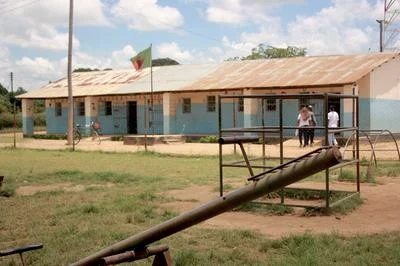
The former Broken Hill lead and zinc mine in Kabwe epitomizes Zambia’s mining pollution crisis. The United Nations characterized Kabwe in 2022 as a “sacrifice zone,” where approximately 300,000 residents are exposed to lethal levels of lead contamination through water, air, and soil. According to a 2025 Human Rights Watch report, lead concentrations in Kabwe’s soil exceed hazardous limits set by the U.S. Environmental Protection Agency by up to 300 times.
The presence of untreated mining waste and ongoing small-scale processing exacerbate health risks, with children suffering long-term lead poisoning that impairs cognitive development and causes mortality. A study estimated the social cost of lead poisoning in Kabwe between 2025 and 2049 could reach $224 million to $593 million. Efforts to clean contaminated areas have often been undermined by continuous mining activities, including licensed processing of waste dumps that leave large piles of hazardous material exposed near residential zones.
2025 Tailings Dam Collapse Causes New Environmental Disaster
Concerns about mining’s safety intensified following a February 2025 tailings dam breach at a Chinese-owned copper mine near Kitwe, releasing roughly 13 million gallons of toxic waste into the Kafue River, Zambia’s longest river. The spill affected at least 60 miles of waterways, killing fish, contaminating farmland, and disrupting water supplies for the city of Kitwe, which has more than 500,000 residents.
Independent assessments identified dangerous levels of cyanide, arsenic, lead, and cadmium in the contaminated water, posing lasting risks including organ damage and cancer. The government suspended the mine’s operations but has since reportedly approved their resumption, raising community concerns about enforcement and safety.
Economic Importance and Regulatory Challenges
Mining remains Zambia’s economic backbone, contributing around 15 percent of GDP, 70 percent of export earnings, and 44 percent of government revenues. The nation holds substantial global reserves of copper, cobalt, nickel, and manganese—critical for electric vehicles, batteries, and green technologies. Foreign investments have surged, with multinational firms pledging billions to expand production.
However, critics highlight weak enforcement of environmental regulations and inconsistent oversight. Despite Zambia’s 2024 mining regulations intended to strengthen environmental safeguards, violations persist. Recent government actions include suspending operations at some facilities for noncompliance and holding companies accountable under the “Polluter Pays” principle, but enforcement remains uneven.
Why it matters
Zambia’s mining expansion occurs amid a global transition to sustainable energy, positioning the country as a key supplier of critical minerals. Yet, failure to address hazardous legacy pollution and prevent new environmental disasters threatens public health, ecosystems, and sustainable development. The health impacts in Kabwe exemplify ongoing risks that could undermine gains from mining revenue. Strengthening environmental oversight and investing in public health protections are crucial to mitigate these risks as Zambia pursues economic growth through mining.
Read more Climate & Environment stories on Goka World News.