
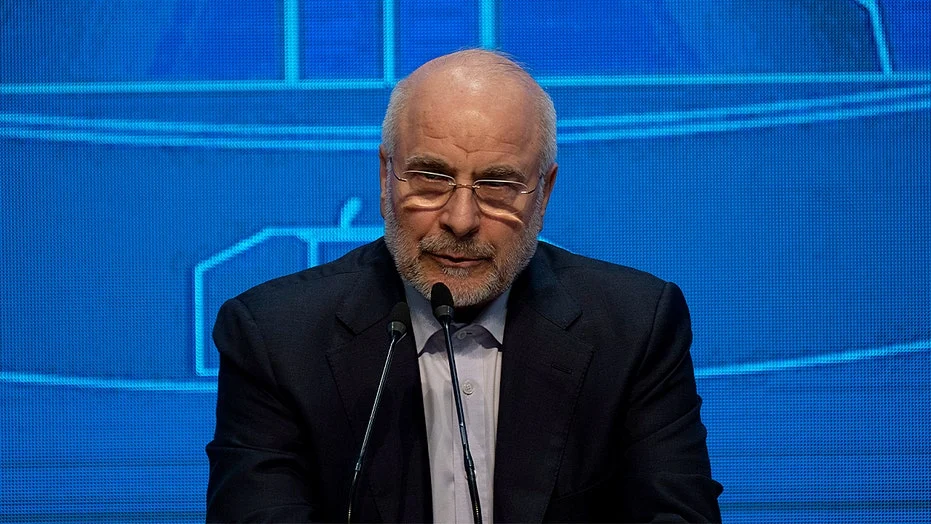
Iran has delivered a stern message to its adversaries, declaring they “will not escape without a lesson,” as tensions in the region continue to simmer. This warning comes alongside Iran’s broader caution about the risk of a “major world war,” heightening concerns about a possible escalation of conflict involving several global powers.
The statement reflects Iran’s growing assertiveness amid mounting geopolitical pressures, including ongoing disputes with the United States and its allies. This rhetoric underscores Tehran’s intent to project strength and deter perceived threats in a volatile international environment.
Contributing to regional instability is an expanding military collaboration reported between Iran and North Korea. The two countries are cooperating to develop Iran’s missile arsenal, a partnership that analysts say could significantly enhance Iran’s strategic military capabilities. This alliance adds a complex layer to global non-proliferation concerns and raises alarms about escalating arms development in the Middle East.
These developments emerge at a time when the U.S. Senate is grappling with a critical funding vote on the Department of Homeland Security, amid ongoing partial shutdowns and political gridlock in Washington. The broader security landscape thus remains fraught, with policymakers weighing domestic priorities against rising international tensions.
Meanwhile, global observers are watching closely as the situation in Tehran evolves, particularly given prior incidents involving Iran’s nuclear program and regional proxy conflicts. The warnings from Iran’s leadership may signal an elevated posture intended to influence diplomatic talks or shape strategic calculations by other nations.
Why it matters
Iran’s explicit threat signals heightened risk for escalation in a region already marked by deep-seated conflict and instability. The potential spillover into a wider global confrontation could have severe consequences for international security, energy markets, and diplomatic alliances.
The arms cooperation between Iran and North Korea further undermines efforts to control missile proliferation and may complicate diplomatic negotiations aimed at reducing tensions. For countries engaged in Middle Eastern diplomacy, understanding Iran’s strategic intentions and capabilities is critical to formulating effective responses.
As Washington debates homeland security priorities and funding amid internal political disputes, the backdrop of international threats from Tehran adds urgency to U.S. defense and foreign policy decisions. The unfolding dynamic will be closely monitored by governments and analysts worldwide, given its broad implications for peace and stability.
Background
Iran’s warnings come during an extended period of strained relations with the United States, especially following the U.S. withdrawal from the 2015 nuclear deal and the imposition of stringent sanctions on Tehran. Tehran’s missile development program and support for proxy groups in the region have long been points of international contention.
North Korea’s involvement in Iran’s missile arsenal has been reported over recent years, highlighting the challenges in preventing the spread of advanced weapons technology. These partnerships complicate non-proliferation efforts and raise concerns about an arms race in the Middle East.
Domestically, U.S. political divisions have impacted funding for key security agencies, potentially influencing America’s ability to address emerging global threats. The intersection of domestic challenges and foreign crises underscores the complexity of managing national and international security today.
Read more US News stories on Goka World News.