
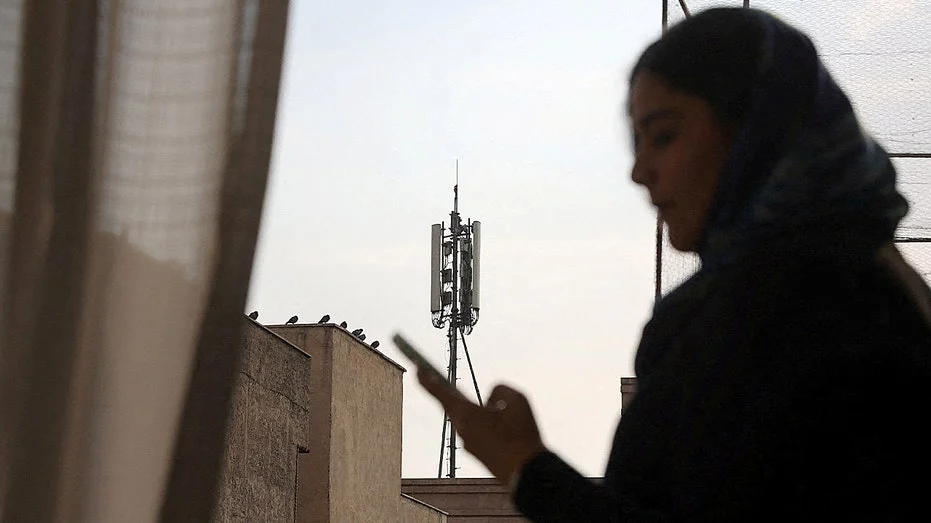
Israeli officials have raised alarms about Iran’s ongoing internet blackout, describing it as a deliberate strategy to conceal the damage from recent U.S. and Israeli military strikes and to stifle domestic dissent. According to multiple sources cited by Fox News, the internet outage restricts both outward communication and internal coordination at a critical time of escalating military pressure and social unrest in Iran.
“This is a blackout on truth,” a senior Israeli intelligence official told Fox News, explaining that the Iranian regime aims to hide the reality of its vulnerabilities from its own population. With traditional internet services suspended, citizens have difficulty accessing independent information, and many attempts to connect through satellite internet services like Starlink have been blocked via jamming techniques. Authorities have reportedly detained hundreds suspected of using such external terminals.
This blackout extends beyond information control into limiting citizens’ ability to communicate and organize. The official emphasized that reducing internal communication is a key regime objective. These measures come against a backdrop of ongoing internal tension after mass protests earlier in 2026 were violently suppressed, with reports of over 30,000 deaths during nationwide demonstrations. Israeli officials interpret the blackout as a sign of the regime’s fear of renewed unrest.
Limited by the internet outage, Iranians receive information filtered through state-controlled media that portrays U.S. and Israeli forces as being defeated, further obscuring the true extent of recent military operations. Israeli intelligence said the blackout masks substantial damage inflicted by U.S. and Israeli strikes targeting the Iranian Revolutionary Guard Corps, naval assets, oil infrastructure, and Iranian leadership.
According to Israeli sources, about 25 senior officials from Iran’s Ministry of Intelligence have been killed, many in an initial strike during a meeting, including Minister of Intelligence Esmail Khatib, who reportedly authorized the blackout.
U.S. security analysts highlight that information control has become a central front in the conflict. John Spencer, executive director of the Urban Warfare Institute, suggested that undermining regime communication networks while supporting civilian connectivity could shift the information environment away from Tehran’s control. He noted Iran’s large and youthful population increasingly discontent with the regime, emphasizing the potential impact of information access in ongoing unrest.
The blackout effectively creates one of the least visible battlefields in recent history. The senior Israeli intelligence source remarked that once the restrictions are lifted, the full scale of the damage to the Iranian regime will become apparent. For now, global observers only catch glimpses of the regime’s weakening position.
Why it matters
The internet shutdown in Iran not only obstructs understanding of military developments but also complicates humanitarian and diplomatic responses by limiting independent reporting. Moreover, the blackout inhibits internal protest coordination, which the regime fears could trigger further instability amid high civilian casualties from recent crackdowns. Strategic targeting of Iranian intelligence officials and infrastructure also underlines the conflict’s intensification at both military and information levels, signaling a prolonged and multifaceted confrontation.
Background
Iran has faced escalating conflict with the U.S. and Israel, including military strikes on leadership figures and critical infrastructure. The regime’s harsh suppression of nationwide protests since January 2026 left thousands dead, fueling internal instability. Internet shutdowns have been repeatedly used by Tehran as a tool to control information and quell dissent during unrest. Satellite internet services like Starlink had briefly offered alternative connectivity before Iranian authorities escalated jamming and enforcement actions. The current blackout is part of Tehran’s broader strategy to manage both external military threats and internal security challenges simultaneously.
Read more World News stories on Goka World News.