
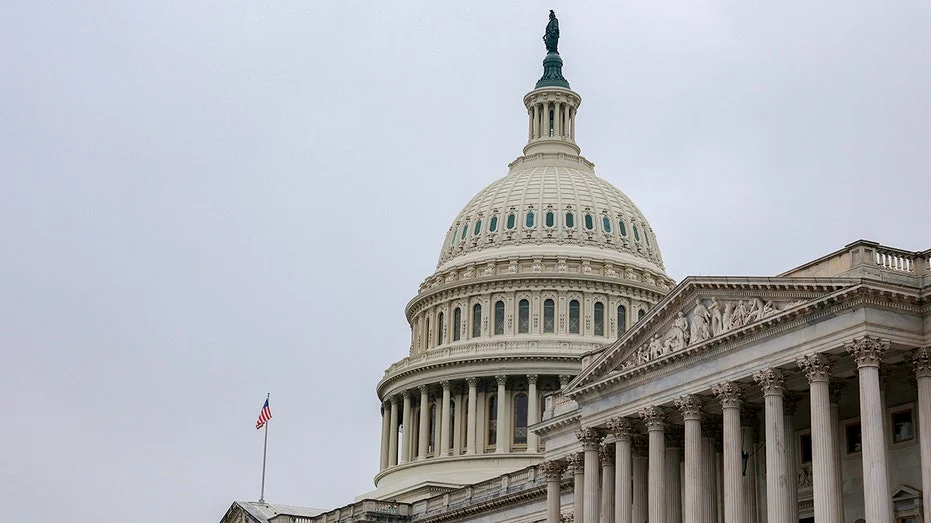
The Senate is set to convene Monday morning to address Department of Homeland Security (DHS) funding following the House’s approval of a two-month stopgap spending bill late Friday night. The vote holds significant implications for ending the ongoing DHS shutdown, which has disrupted agency operations and heightened political tensions over border security.
The Senate session, originally planned as a brief pro forma meeting, will likely see a Republican senator request unanimous consent to take up, read for passage, and approve the House-passed DHS funding bill. Unanimous consent requires all 100 senators to agree; just one objection from either party can halt the bill’s progress.
If an objection arises, the House and Senate will remain out of alignment. The House has not considered the Senate’s version of the funding bill, instead drafting and approving its own interim measure. Without Senate approval of the House bill, the DHS shutdown is expected to continue, potentially lasting until lawmakers return from the Easter/Passover recess in mid-April.
Democrats may respond by submitting their own DHS funding proposal for Senate approval by unanimous consent. However, Senate Republicans are likely to object to such a move, complicating any path toward agreement before the recess.
Republican lawmakers, although supportive of funding DHS, view a Democratic objection as a political advantage. They argue Democrats are obstructing funding for key agencies such as Immigration and Customs Enforcement (ICE), positioning this issue as a midterm election rallying point given Republican campaign emphasis on border security. Conversely, Democrats could shift blame onto Republicans for the shutdown and its effects, including long Transportation Security Administration (TSA) lines.
Why it matters
The Senate’s ability to approve DHS funding is critical to restoring agency operations vital to national security, including border enforcement and airport screening. Prolonged funding lapses risk undermining homeland security readiness and public confidence, especially as the country prepares for major events such as the World Cup. The political standoff further highlights partisan divisions that may affect broader government funding and legislative negotiations.
Background
The DHS shutdown stems from disagreements over agency priorities and border security funding since earlier in 2026. While the Senate passed its own DHS funding bill, the House did not take it up, instead passing a separate stopgap measure. This split left the government without a unified appropriation, triggering the partial shutdown. The current impasse centers on the Senate’s reliance on unanimous consent for streamlined voting, where a single senator’s objection can stall critical legislation.
With lawmakers now heading into a recess period following Easter and Passover holidays, momentum to resolve DHS funding remains uncertain. The outcome of Monday’s Senate session will determine whether normal operations resume promptly or the shutdown extends, with possible consequences for homeland security and border management.
Read more Politics stories on Goka World News.