
The United States has authorized a Russian oil tanker to deliver crude oil to Cuba, effectively loosening a blockade that has contributed to the Caribbean island’s escalating energy crisis, according to U.S. officials and shipping data.
The Russian-flagged tanker Anatoly Kolodkin departed from Primorsk, Russia, carrying approximately 730,000 barrels of crude oil and was located near the eastern tip of Cuba as of Sunday, with an expected arrival at the Matanzas port if it continues its course, according to vessel tracking services MarineTraffic and LSEG.
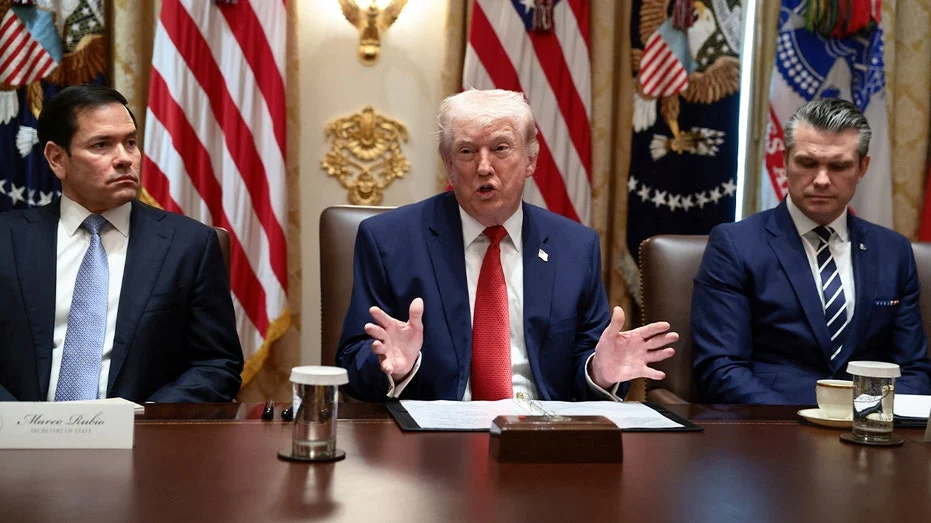
President Donald Trump acknowledged the delivery during a briefing, stating, “We have a tanker out there. We don’t mind having somebody get a boatload, because they need … they have to survive.” He further declared no objection to oil shipments to Cuba, “whether it’s Russia or not,” signaling a temporary relaxation of prior restrictions.
Energy Shortages and Sanctions Impacting Cuba
Cuba has faced prolonged fuel shortages exacerbated by tightened U.S. sanctions and the disruption of its traditional oil supply chains. Fuel rationing measures remain in place as the island’s energy infrastructure struggles to meet demand.
The crisis intensified after the U.S. capture of Venezuelan leader Nicolás Maduro in January, which cut off Cuba’s favored source of oil. Subsequently, the Trump administration blocked all Venezuelan oil shipments to Cuba and imposed sanctions to prevent third countries from supplying fuel to the island, forcing nations like Mexico to halt exports to Cuba.
The arrival of the Anatoly Kolodkin marks a significant development amid these pressures, potentially providing much-needed relief to the Cuban government and citizens enduring energy shortages.
Why it matters
This development reflects a U.S. strategic adjustment amid global energy market disruptions triggered in part by military conflicts involving Iran and related supply interruptions in the Strait of Hormuz. The decision to allow Russian oil shipments to Cuba signals a temporary easing of sanctions policies to stabilize regional energy needs, even as the U.S. maintains pressure on Cuba’s government.
Permitting the Russian tanker to dock may affect U.S.-Cuba relations and illustrates the complexities of sanctions enforcement during international energy crises. It also underscores the humanitarian considerations facing the U.S. administration despite ongoing geopolitical tensions.
Read more World News stories on Goka World News.