
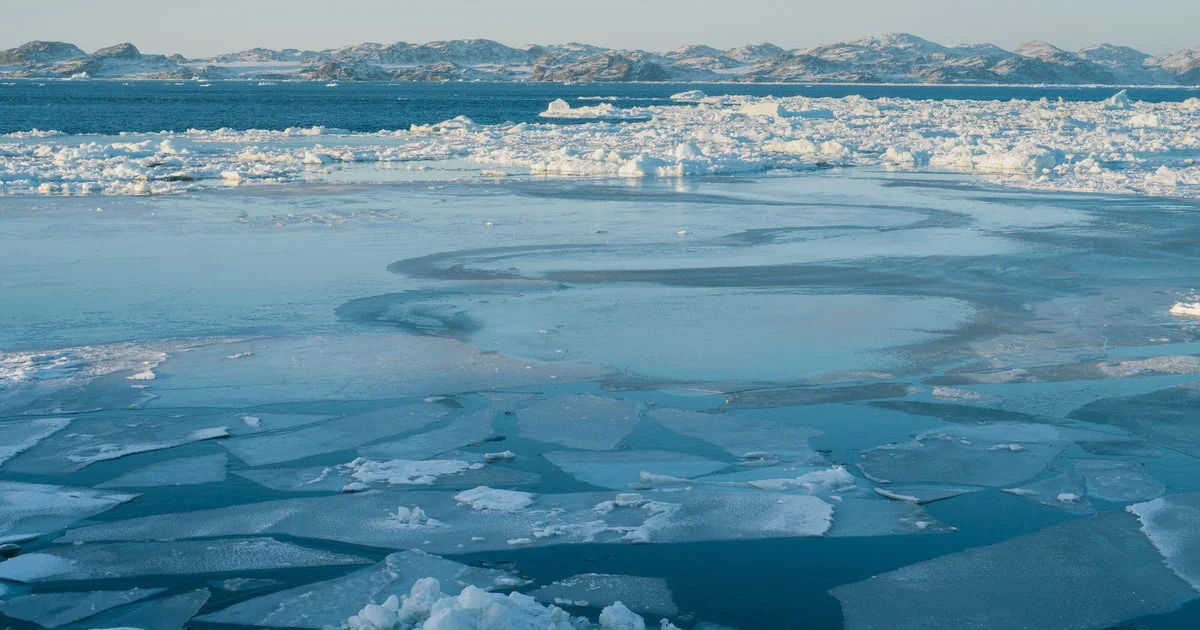
Arctic sea ice contracted to nearly its lowest winter extent ever recorded, underscoring the ongoing impacts of global warming as March 2026 brought unprecedented heatwaves worldwide. The National Snow and Ice Data Center (NSIDC) reported the sea ice maximum reached just 5.52 million square miles (14.29 million square kilometers), tying closely with last year’s record low.
Winter Sea Ice Levels and Climate Implications
Arctic sea ice traditionally expands during winter months, but the 2026 growth was significantly below the 1981-2010 average by about 525,000 square miles (1.36 million square kilometers)—an area roughly twice the size of Texas. This diminished winter ice sets the stage for an accelerated and more extensive melt during the summer months, according to experts including Walt Meier, a senior research scientist at NSIDC, and Samantha Burgess from the European Centre for Medium-Range Weather Forecasts.
The decline in sea ice reduces the reflective surface that helps keep the planet cool by bouncing sunlight away—a process known as the albedo effect—resulting in increased ocean heat absorption and contributing to further Arctic warming. This warming alters atmospheric patterns and is linked to disruptions in the jet stream, potentially exacerbating extreme weather events at lower latitudes.
Global Temperature Records and Arctic Connections
Simultaneous with the Arctic’s low ice extent, numerous regions worldwide broke heat records. Sixteen U.S. states set new March temperature highs, while Mexico, Australia, Northern Africa, and parts of Northern Europe also experienced historic warmth. Climatologist Maximiliano Herrera described this as “by far the most extreme heat event in world climatic history,” with some Asian locations smashing monthly temperature records by margins of up to 35 degrees Celsius above normal.
In contrast, Antarctica recorded its coldest March day on record, illustrating the complex and regionally variable effects of climate change on polar environments.
Impact on Arctic Wildlife and Geopolitics
The ongoing loss of sea ice threatens species such as polar bears and emperor penguins, which depend on stable ice for breeding, feeding, and molting. Recent satellite analyses revealed emperor penguins crowding into shrinking ice habitats during vulnerable feather-shedding periods—a condition that scientists warn could have severe survival consequences unless significant climate cooling occurs.
Reduced ice coverage is also opening new Arctic shipping routes, shifting geopolitical interests, and increasing attention on regions like Greenland, which were previously less accessible.
Why it matters
The record low winter sea ice extent signals a persistent, gradual decline linked to global warming trends, affecting global climate regulation and ecosystems in the Arctic. Reduced ice cover enhances ocean heat absorption and may influence weather extremes worldwide. Additionally, these changes have significant implications for international navigation and resource disputes in the Arctic.
Read more Climate & Environment stories on Goka World News.