
Denver officials have mandated that restaurants serve water only upon customer request as part of new drought-related water restrictions designed to reduce consumption by 20% over the next year. This move aims to address the city’s critically low water supply following the warmest winter in Colorado’s recorded history.
The Denver Board of Water Commissioners announced the restrictions, which are expected to remain in effect until April 2027. These measures come after snowpack levels in the Colorado River Basin dropped to 55% of the normal average, with the South Platte River Basin falling to just 42%—both representing the lowest levels in 40 years. According to Denver Water Manager of Water Supply Nathan Elder, the current snowpack is about seven to eight feet short of what is needed to replenish reservoirs.
“It would take a tremendous amount of snow to recover at this point, so it’s time to turn our attention to preserving what we have,” Elder said. Denver Water president Tyrone Gant characterized the restrictions as a necessary community response to ongoing drought conditions, emphasizing the need for collective conservation efforts.
Impact on hospitality and outdoor water use
The hospitality sector is adjusting to the new rules, which require establishments to serve water only if customers ask. Juan Padró, owner of more than 20 businesses in Denver, noted that while restaurants and coffee shops are generally able to comply, bars and cocktail lounges face challenges since they traditionally provide self-serve water stations to patrons. Padró recommended exemptions for bars to ensure safe hydration for customers.
Beyond the hospitality industry, the restrictions also impose a strict outdoor watering schedule. Residential properties with even-numbered addresses may irrigate only on Sundays and Thursdays, while odd-numbered addresses are allowed outdoor watering on Wednesdays and Saturdays. Commercial and government properties are limited to Tuesdays and Fridays.
As of late March, Denver’s reservoir storage was 80% full, slightly below the seasonal average of 85%. To enforce conservation, Denver Water is considering temporary drought pricing that would charge higher rates for high-volume outdoor water use, while maintaining standard rates for essential indoor needs such as cooking and bathing.
Why it matters
Denver’s mandatory water restrictions highlight the growing impact of climate change on regional water supplies. With snowpack and reservoir levels at historic lows amid consecutive drought years, these measures are crucial to sustaining essential water availability for residents and preventing further depletion of critical resources.
The policies also signal the challenges urban areas face in balancing everyday water needs with long-term sustainability amid increasingly unpredictable weather patterns.
Background
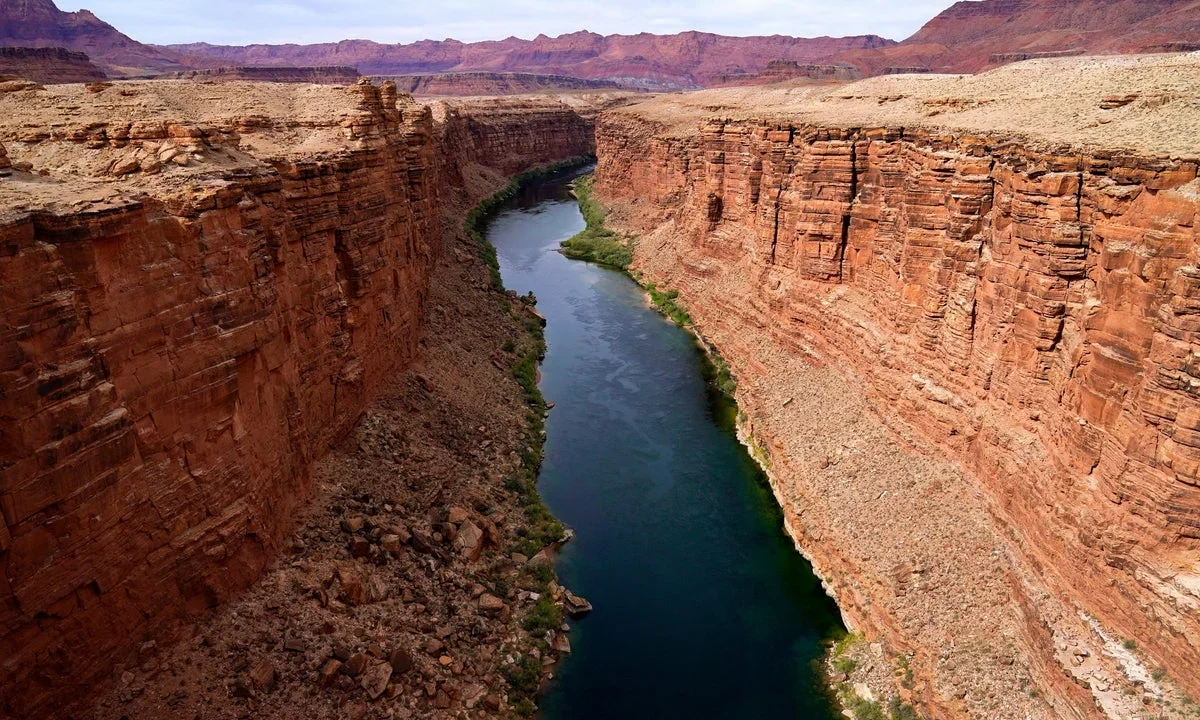
Denver’s drought comes as part of a broader trend affecting the Colorado River Basin, a major water source for multiple states. Declining snowpack and increased temperatures due to climate change have stressed water systems, prompting states and water authorities to negotiate new water rights agreements and implement conservation mandates.
Local officials encourage residents to adapt by replacing traditional lawns with drought-resistant landscaping to reduce outdoor water demand and improve resilience to future drought conditions.
Read more Climate & Environment stories on Goka World News.