
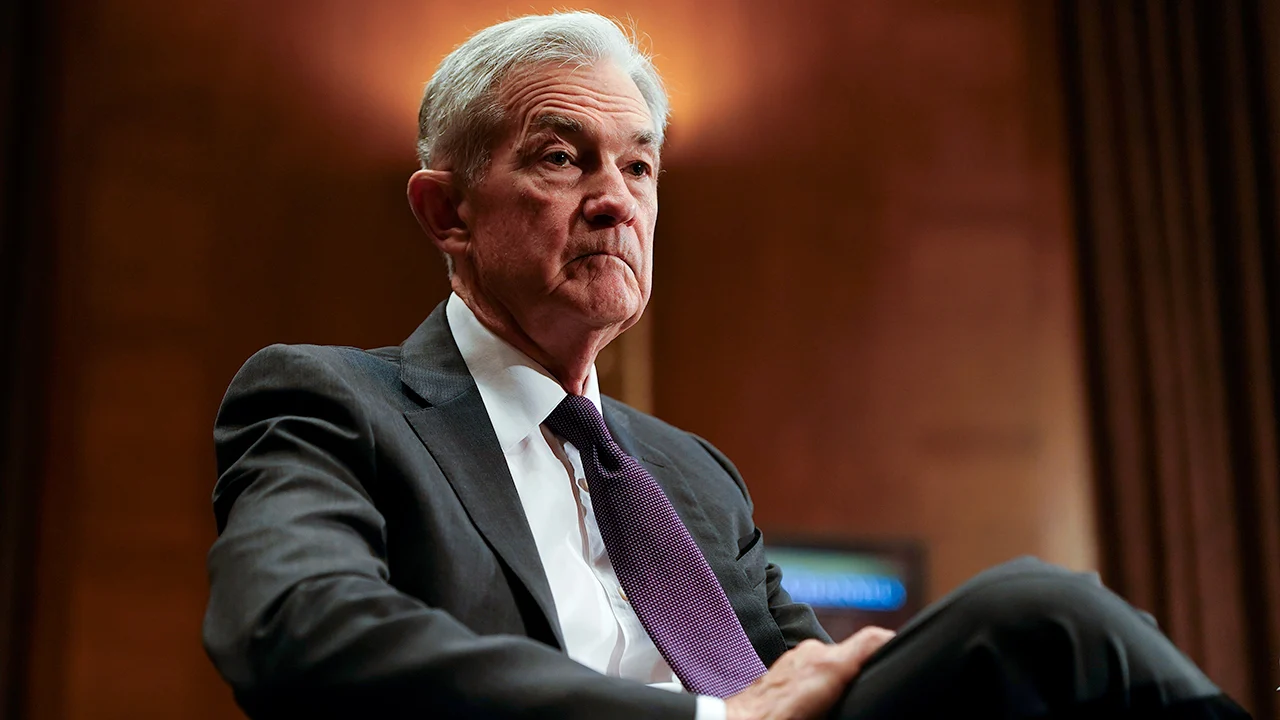
Federal Reserve Chair Jerome Powell addressed concerns about a potential new energy supply shock stemming from disruptions in Middle East oil supplies. Speaking on Monday at Harvard University, Powell noted that this development follows earlier supply shocks, including those from the COVID-19 pandemic and tariff conflicts, which have contributed to keeping U.S. inflation above the Fed’s long-term 2% target.
Powell explained that inflation had decreased substantially from its 2022 peak of 9.1%, with recent data showing inflation nearing 3%. He attributed a portion of this to tariffs, which have largely eased in the U.S., and noted that inflation was approaching the 2% target prior to the latest energy concerns. However, the war in Iran has caused oil prices to surge, disrupting energy supplies and prompting a fresh inflationary risk.
“It’s one of those times where you get a series of supply shocks,” Powell said. “First the pandemic, then the much smaller one from tariffs, and now we’re getting an energy shock. No one knows how big it will be; it’s way too early to know.”
Oil prices have indeed spiked sharply in recent weeks. West Texas Intermediate crude rose above $102 per barrel as of Tuesday, more than 50% higher than prices a month ago, which ranged between $60 and $70 per barrel. Brent crude is trading around $112 per barrel and has approached $120 per barrel since the conflict began. The disruption in oil shipments is related partly to tensions around the Strait of Hormuz.
This increase has had an immediate effect on gasoline prices at the consumer level. According to AAA, the national average cost of regular gasoline rose approximately $1 per gallon over the past month, climbing from about $2.98 to $3.99 as of Monday—an increase of roughly 34%.
Powell emphasized that the Federal Reserve’s monetary policy remains adaptable to evolving economic conditions. The central bank could adjust interest rates either upward to contain inflation or downward to support economic growth, depending on how events unfold. “We do think our policy is in a good place for us to wait and see,” he said.
Market expectations align with Powell’s cautious approach, pricing in an 80% probability that the Fed will keep its benchmark federal funds rate steady at 3.5% to 3.75% through the remainder of 2024.
Why it matters
This emerging energy supply shock matters because inflationary pressures driven by higher oil and gasoline prices can influence consumer costs broadly, affecting everything from transportation to manufacturing. For investors and markets, sustained inflation above target complicates the Federal Reserve’s policy balancing act, potentially delaying rate cuts or prompting hikes. Workers may face increased living costs, while businesses could see rising input prices that squeeze margins. Powell’s comments underscore the uncertainty ahead, signaling that the Fed will maintain flexibility as it monitors the economic impact.
Background
The U.S. inflation rate peaked at 9.1% in 2022, propelled by pandemic-related supply chain issues and fiscal stimulus-driven demand. Since then, tariffs on imported goods contributed moderately to inflation, but those pressures have eased somewhat. The Federal Reserve responded by raising interest rates to dampen demand and reduce price growth. The recent surge in oil prices, partially triggered by geopolitical tensions in the Middle East and the Iran war, presents a new challenge. Disruptions near the Strait of Hormuz, a critical shipping lane, have tightened global oil supply, exacerbating price volatility. These developments continue to shape the Fed’s decisions regarding monetary policy and inflation targeting.
Read more Business stories on Goka World News.