
The ongoing conflict involving Iran is creating significant disruptions beyond oil markets, notably affecting global supplies of helium and aluminum, essential materials for semiconductor production, medical technology, and consumer goods. The crisis escalated this month after Iranian strikes targeted two liquefied natural gas (LNG) facilities operated by QatarEnergy, temporarily halting about one-third of the world’s helium production.
Helium, primarily extracted as a byproduct of natural gas processing, faces a long road to recovery following the attacks. QatarEnergy reported that the damage wiped out 17% of the country’s LNG export capacity and estimated repairs could take between three to five years. This protracted outage complicates the already strained global markets, which have been largely focused on rising oil and gas prices, with U.S. gasoline prices recently climbing to $4 a gallon for the first time since August 2022.
Helium’s Role in Technology and Manufacturing
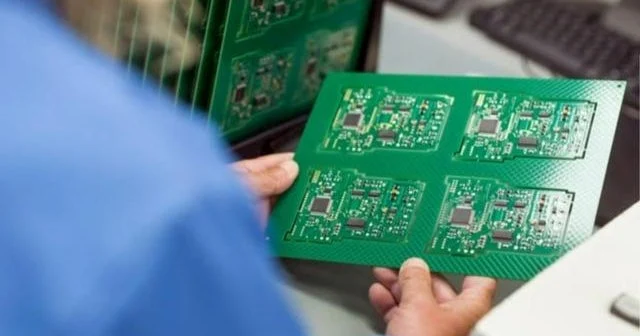
Helium is vital in semiconductor manufacturing because of its efficient heat transfer properties, critical for cooling silicon wafers during chip fabrication. Disruptions in the helium supply jeopardize the production of essential electronic components used in devices such as smartphones, laptops, and AI data centers. Industry experts warn that manufacturers typically maintain only two months of helium reserves, making them vulnerable to supply shocks.
In addition to semiconductors, helium plays a crucial role in the medical field, where it cools superconducting magnets in MRI machines, and in the space sector, where it purges rocket fuel tanks—an area of increasing demand due to frequent launches by companies like SpaceX and Blue Origin.
Major helium producers include the United States, accounting for 81 million cubic meters last year, Qatar, Algeria, and Russia, though supplies from Russia are restricted by sanctions. With Gulf countries supplying a significant share, the Qatar LNG facility attacks have ripple effects across global high-tech industries.
Aluminum Supply Tightens Amid Regional Conflict
The Iran conflict also threatens global aluminum production. Gulf countries contribute roughly 9% of the world’s aluminum, a key material in packaging, automotive manufacturing, and electronic devices. Supply disruptions and rising energy costs are pushing aluminum prices to a four-year high, tightening market conditions and increasing costs for consumer goods.
Industry analysts highlight that an aluminum shortage could raise packaging costs and strain sectors reliant on the metal, including the automotive industry, amplifying the consumer impact beyond energy prices.
Why it matters
The disruption in helium and aluminum supplies due to the Iran war poses significant risks to global supply chains and high-tech manufacturing. Semiconductor chip production, critical for digital infrastructure and AI advancements, faces delays and potential reductions in output. Healthcare diagnostics reliant on MRI machines may see increased costs or shortages, while the space industry could experience setbacks amid growing launch activity.
Furthermore, the aluminum shortage may inflate costs across packaging and automotive industries, exacerbating inflationary pressures on consumer goods. With repair timelines extending years, these supply shocks underscore the broader economic consequences of the conflict beyond immediate energy markets.
Background
Helium is a scarce resource produced mainly as a byproduct of natural gas extraction, with only a few countries contributing to its global supply. Qatar is the world’s second-largest producer after the United States. The recent attacks in the Gulf region have compounded challenges caused by geopolitical tensions, sanctions on Russian producers, and the rising demand for helium driven by advanced technology sectors.
Similarly, aluminum production relies heavily on regional stability and energy costs, with the Gulf region serving as a significant source. The Iran war has intensified existing constraints on raw materials critical for manufacturing and consumer markets worldwide.
Read more World News stories on Goka World News.