
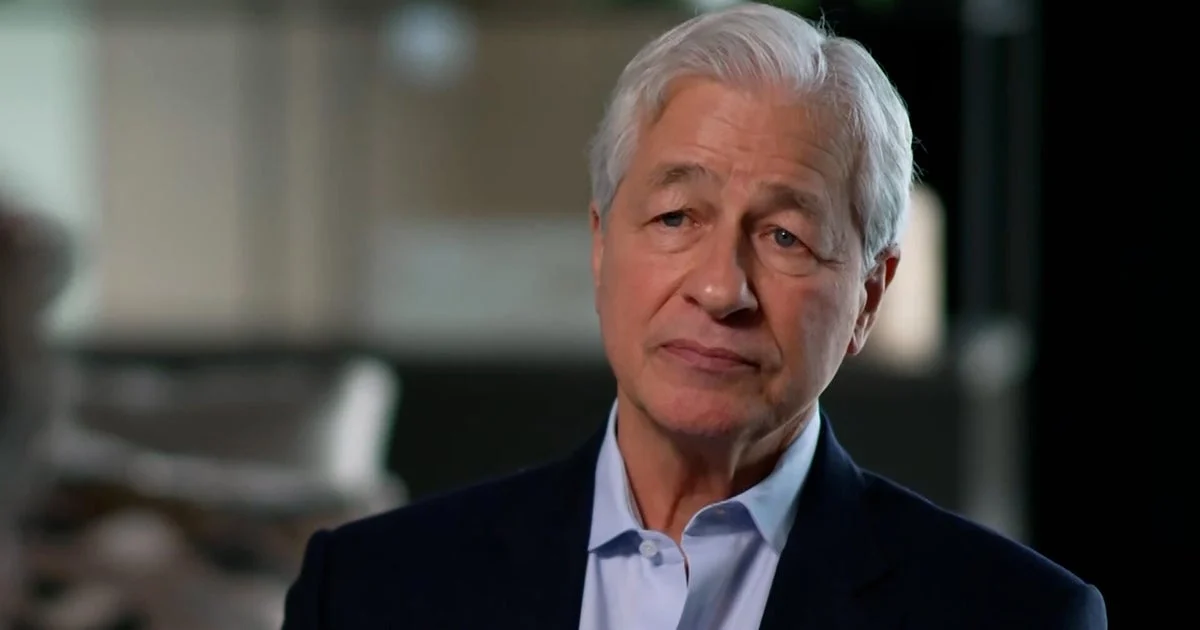
JPMorgan Chase CEO Jamie Dimon stated he does not know whether the war with Iran will trigger a recession in the United States, describing the conflict as one of multiple factors that weigh on the economy. Speaking in an interview with CBS Evening News, Dimon emphasized the complexity of the economy, noting that even artificial intelligence cannot predict with certainty how current events will impact economic outcomes.
Dimon likened the situation to “a straw on the camel’s back,” saying the war adds pressure but whether it will cause a tipping point toward recession is unknown. “Hopefully not stagflation,” he added, referencing the concern about simultaneous inflation and economic stagnation. Dimon called the conflict “a couple straws on that camel’s back,” indicating it is an aggravating factor along with others.
The JPMorgan CEO underscored the importance of resolving the war successfully for global stability. He also pushed back against views that Iran does not pose an imminent threat, citing its ballistic missile capabilities and nuclear program as reasons for concern.
Acknowledging the consequences of the conflict on energy prices, Dimon called the recent spike in gas prices “very unfortunate” and expressed hope for a quicker resolution to alleviate the economic hardship on Americans.
When questioned about whether parts of the U.S. economy are already in recession, Dimon acknowledged that some sectors and communities are struggling. “I think it is for them,” he said, recognizing uneven economic experiences across the population.
Dimon was also asked about the strategic issue of the Strait of Hormuz, a vital chokepoint for about 20% of the world’s oil supplies. He said he does not know whether reopening the strait by military means is necessary and deferred to the expertise of military planners, who reportedly have multiple contingency plans. Dimon indicated that leaving the strait closed would be detrimental to the global economy.
Why it matters
Dimon’s comments highlight the economic uncertainty surrounding the Iran conflict amid concerns over rising energy costs and supply chain disruptions. As the dispute continues, its potential to push the U.S. economy into recession remains unclear, but the conflict is already exacerbating inflationary pressures felt by many Americans. The Strait of Hormuz’s status amplifies these risks given its critical role in global oil transportation.
Background
The conflict with Iran has drawn international attention due to escalations in missile activity and tensions over Iran’s nuclear program. The U.S. economy faces a complex set of challenges, including lingering supply chain issues and inflation. The Iran war adds geopolitical risk that can affect oil markets and global trade, influencing economic outlooks. JPMorgan Chase, under Dimon’s leadership, remains a key voice in assessing how global events impact financial markets and economic stability.
Read more Business stories on Goka World News.