
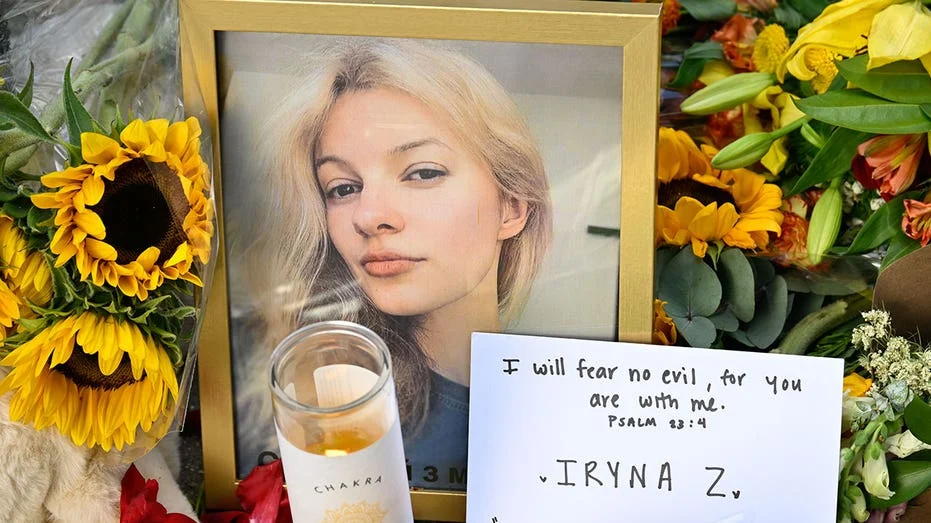
The mayor of Providence, Rhode Island, Brett Smiley, has called for the removal of a mural honoring Iryna Zarutska, a Ukrainian refugee who was fatally stabbed on a light rail train in Charlotte, North Carolina, last year. The mural, which remains incomplete, is painted on the exterior of The Dark Lady, an LGBTQ+ club in downtown Providence.
Smiley’s office communicated to local media that while Zarutska’s murder was a heartbreaking tragedy, the artistic effort behind the mural has “misguided, isolating intent” that is “divisive and does not represent Providence.” The mayor encouraged community support for local art that fosters unity rather than division. The mural project was initiated by artist Ian Gaudreau, who stated he did not intend the painting to carry a political message.
According to reports, the mural’s creation gained national attention after entrepreneur Elon Musk pledged a $1 million donation in September 2025 to fund commemorations of Zarutska. Zarutska, 23, had fled Ukraine following the Russian invasion and was attacked on Charlotte’s Lynx Blue Line light rail system. Decarlos Brown Jr., 34, is charged with her murder. Federal authorities have charged Brown with violence against a railroad carrier, a capital offense under federal law.
Brown has a documented criminal history including convictions for larceny, breaking and entering, and armed robbery, according to the North Carolina Department of Adult Correction. His prior incarcerations and repeated arrests have contributed to renewed debates over bail reform and public safety in U.S. cities. Donald Trump, during his 2026 State of the Union address, referenced Zarutska’s death while criticizing so-called “soft on crime” policies in many Democratic-led urban areas.
Why it matters
The controversy surrounding the mural highlights broader tensions over how communities remember victims of violent crime, especially when linked to national debates on criminal justice and immigration policies. Providence’s mayor framing the mural as divisive indicates concerns about art becoming a platform for political or social discord rather than communal healing.
Memorials like this can influence public opinion and policy discussions, particularly when high-profile figures and significant funding are involved. For U.S. audiences, this case underscores ongoing challenges balancing recognition of tragic losses with efforts to foster inclusive community dialogue amid nationwide disputes on crime and social justice.
Background
Iryna Zarutska’s death in September 2025 shocked many across the country, raising questions about the effectiveness of current criminal justice approaches. Brown’s repeated encounters with law enforcement and release under no-cash bail policies drew scrutiny. The incident spurred intensified calls for reforms aimed at preventing violent recidivism and protecting vulnerable populations, including refugees and immigrants.
The debate over the mural reflects differing views on how best to honor victims while addressing the political implications of crime and public safety. Providence’s decision to oppose the mural contrasts with calls from some advocates and supporters who view such tributes as meaningful acts of remembrance and awareness-raising.
Observers will be watching closely how Providence and other cities navigate these contested memorials as part of larger conversations about justice, community healing, and public art’s role in social expression.
Read more US News stories on Goka World News.