
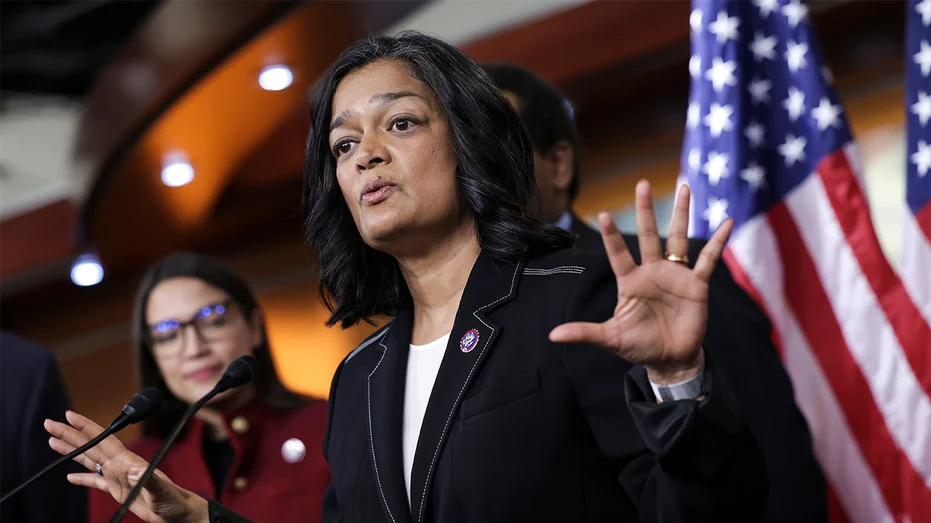
Rep. Pramila Jayapal (D-Wash.) drew attention to the consequences of immigration policies enacted during former President Donald Trump’s administration, proposing financial reparations for undocumented immigrants adversely affected by the crackdown. She also called for legal accountability for government officials involved in enforcing these policies. Her remarks came during a congressional hearing held on March 30, 2026, which focused on the effects of immigration enforcement on children and families.
Jayapal, a former chair of the Congressional Progressive Caucus, described reparations as a necessary part of addressing the trauma experienced by families separated or detained through immigration enforcement. “We are going to have some form of reparation for the kids and the families that have been traumatized through all of this,” she stated during testimony, emphasizing the need for funding to support those released from detention.
Alongside reparations, Jayapal advocated for prosecution of individuals responsible for carrying out what she characterized as harmful enforcement actions. She said that those inflicting trauma through immigration crackdowns “need to be prosecuted” and held accountable. A spokesperson for Jayapal did not provide additional details when contacted regarding who specifically might face legal action, or the criteria for eligibility for reparations.
The hearing, titled “Kidnapped and Disappeared: Trump’s Attack on Children,” featured Democratic lawmakers highlighting concerns about the impact of immigration enforcement on undocumented children — a subject often debated in political discourse. According to Fox News coverage, the hearing notably did not address recent crimes allegedly committed by undocumented immigrants, such as the case of Sheridan Gorman, an 18-year-old who was reportedly killed by an undocumented Venezuelan national in Chicago earlier in March.
Jayapal’s proposals coincide with ongoing political disputes over funding for the Department of Homeland Security (DHS). Since a shutdown began several weeks prior, the department has faced a critical lapse in funding. Jayapal and many House Democrats have opposed continuing DHS funding without major reforms to immigration enforcement agencies, such as Immigration and Customs Enforcement (ICE) and Customs and Border Protection (CBP). She stated her refusal “to give Trump’s ICE or CBP another cent without major reforms” following her vote against a two-month DHS funding extension.
Republican lawmakers have pushed back against efforts to zero out appropriations for immigration law enforcement, underscoring concerns about operational capacity and public safety during the extended DHS funding lapse. The dispute highlights broader partisan tensions surrounding immigration policy ahead of the upcoming midterm elections.
Why it matters
Jayapal’s call for reparations and prosecutions underscores the ongoing political and legal debates over immigration enforcement in the United States. Reparations for undocumented immigrants affected by enforcement policies would represent a significant departure from current immigration policy frameworks, raising questions about the feasibility and political viability of such measures.
The enforcement practices of the Trump administration remain a focal point of contention, influencing Congressional negotiations on DHS funding and immigration reform. How lawmakers address these issues during funding debates and build consensus may affect the operational capacity of immigration enforcement agencies and shape the national immigration policy agenda.
Background
The Trump administration’s immigration crackdown involved measures such as increased detention and deportation of undocumented immigrants, which critics have described as causing family separations and psychological trauma among detained children. These policies sparked widespread protests and legal challenges during and after Trump’s tenure.
DHS, which includes ICE and CBP, plays a central role in immigration enforcement—responsible for border security, detention, and removal operations. Funding disputes over these agencies have frequently resulted in shutdown threats and operational disruptions.
Jayapal’s proposal for reparations connects to broader progressive initiatives advocating for compensatory justice for historically marginalized groups, though applying such frameworks to undocumented immigrants introduces complex legal and political considerations.
Observers will be watching how these policy debates evolve as Congress approaches critical votes on DHS appropriations and immigration legislation ahead of the November midterm elections.
Read more Politics stories on Goka World News.