
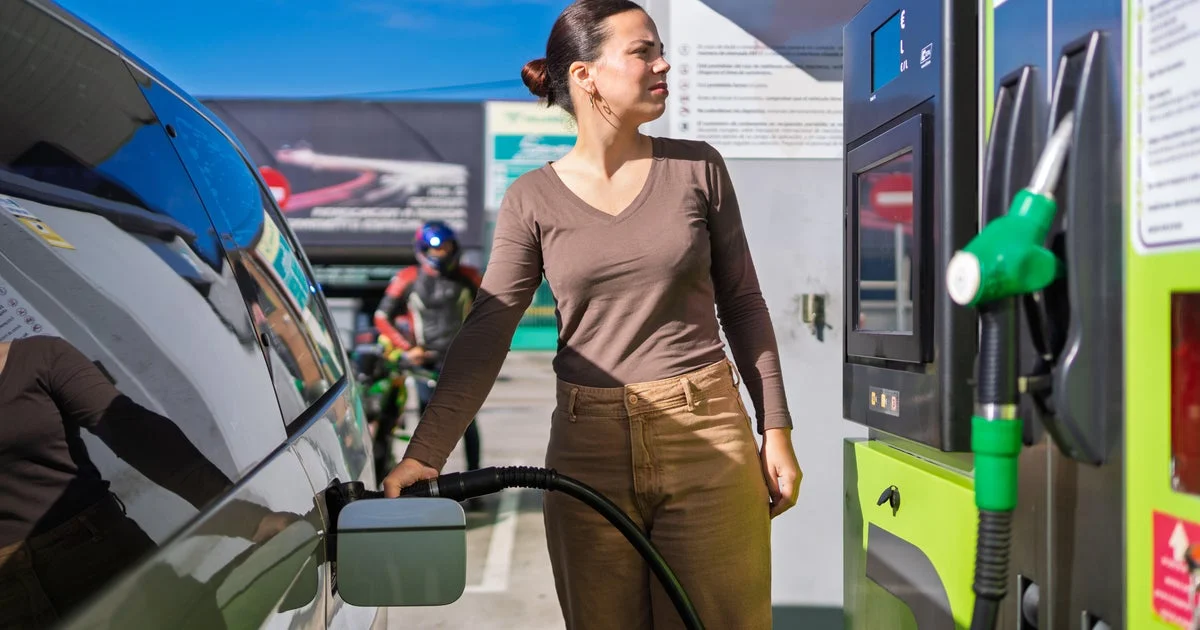
Surging gasoline prices in the United States, driven by escalating tensions surrounding the Iran conflict, are poised to significantly reduce the financial benefit of this year’s increased tax refunds for many Americans. Analysts warn that the jump in fuel costs could effectively negate the extra tax relief awarded under recent legislation.
Impact of Gas Prices on Household Budgets
The national average price for a gallon of gasoline surpassed $4.00 recently, the first time since 2022, with analysts noting that much of the additional disposable income from larger tax refunds could instead be absorbed by higher fuel expenses. J.P. Morgan economists highlighted that increased gasoline costs are likely to come at the expense of other household spending or savings, potentially being drawn directly from tax refund checks now being distributed.
According to research from the Stanford Institute for Economic Policy Research, the average U.S. household may face about $740 in additional fuel costs this year due to rising global oil prices following the Iran attack. This figure closely matches the estimated $748 average increase in individual tax refunds stemming from the Republican-backed “One, Big, Beautiful Bill Act,” enacted under President Trump last year.
IRS data shows that tax refunds this year are averaging $3,676 as of early 2026, marking an 11% increase from the previous year. However, the extent to which households will feel relief depends largely on the conflict’s duration, particularly whether the Strait of Hormuz—a crucial passage for oil and natural gas shipments—remains blocked.
Broader Economic Consequences
Additional analysis from Pantheon Macroeconomics indicates that despite larger tax refunds, the net impact on household finances will be negative. The firm estimates that elevated gas prices will reduce real incomes by approximately $15 billion per month, while increased refunds during the tax season will only augment budgets by around $10 billion between February and April. This suggests the boosts from tax refunds will offer limited and temporary relief against the strain of higher energy costs.
Stanford researchers note the “rockets and feathers” effect in gasoline pricing: prices rise rapidly with cost increases but decline slowly when costs fall. This price stickiness may prolong consumer expenses even if tensions in the Middle East ease.
Why it matters
The interplay between rising gasoline prices and tax refund gains could dampen consumer spending, posing risks to U.S. economic growth during 2026. For many households, the expected windfall from tax refunds may be largely offset by necessary spending on more expensive fuel, limiting the ability to pay down debt, save, or make discretionary purchases.
Read more Business stories on Goka World News.