
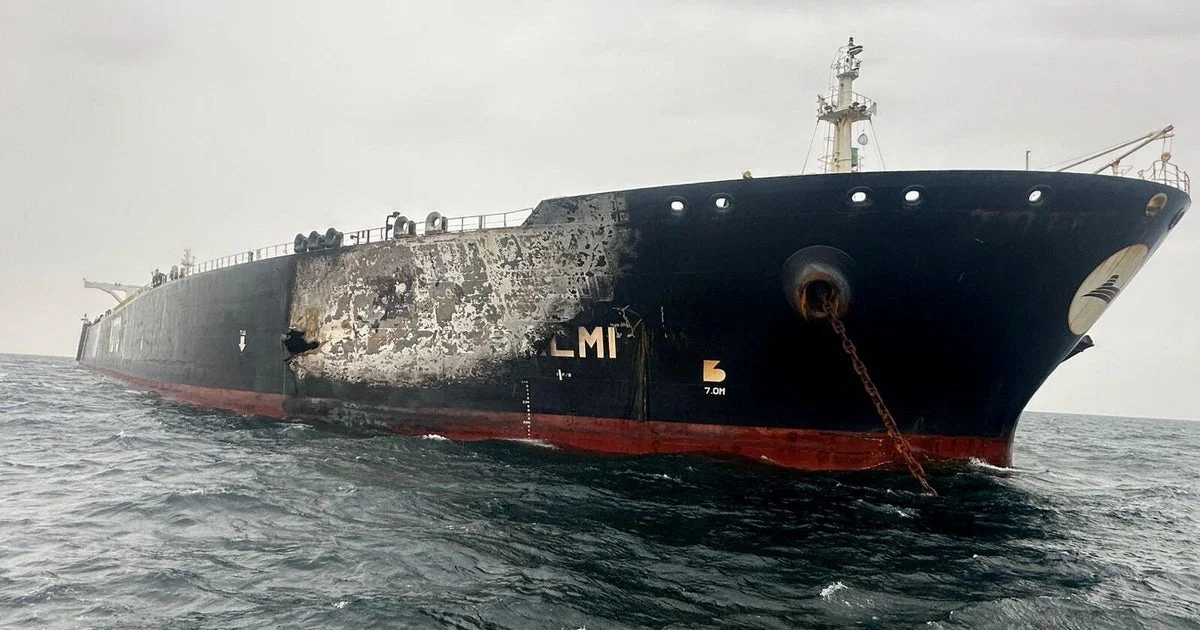
President Donald Trump has indicated he is reconsidering a military operation to force Iran to reopen the Strait of Hormuz, a crucial oil shipping route, as the ongoing conflict with Iran continues to drive U.S. gas prices above $4 per gallon for the first time in nearly four years.
In an interview with CBS News on Tuesday, Trump said he is “not ready quite yet” to abandon efforts to ensure the strait’s reopening but acknowledged that any military intervention could prolong the war beyond his original timeline. Asked about the potential end to U.S. military action, Trump responded, “It won’t be long.”
Gas Prices and Energy Market Volatility
Energy markets remain highly volatile amid the conflict. Brent crude oil prices rose nearly 5% on Tuesday, reaching just over $118 per barrel, reflecting disruptions to shipping through the Strait of Hormuz. The average U.S. gasoline price surpassed $4 per gallon due to continued uncertainty and attacks on regional energy infrastructure.
Notably, an Iranian drone strike recently disabled a water desalination plant on an island near the strait, further escalating tensions. The plant’s shutdown raises concerns over regional stability and civilian infrastructure vulnerabilities amid the conflict.
Regional Security and Kidnapping of American Journalist
The conflict’s security ramifications extended to Iraq, where American journalist Shelly Kittleson was kidnapped in Baghdad on Tuesday. Iraqi security forces arrested a suspect linked to Kata’ib Hezbollah, an Iranian-backed militia group previously implicated in abductions and targeted threats against foreign journalists. Kittleson had reportedly been warned by the U.S. government about specific threats from this militia.
Meanwhile, the U.S. State Department issued a warning for American citizens in Saudi Arabia to avoid gathering places, citing intelligence reports of potential targeting by hostile groups aligned with Iran. This advisory comes as the Iranian Revolutionary Guard Corps announced intentions to target U.S. tech and financial firms in the region, accusing them of espionage.
Ongoing Diplomatic Communications
Despite escalating conflict, Iranian Foreign Minister Abbas Araghchi confirmed “an exchange of messages” between the U.S. and Iran continues, though he clarified that these contacts do not constitute formal negotiations. Messages, often transmitted through regional intermediaries, reportedly involve warnings and mutual insights rather than direct peace talks.
Why it matters
The Strait of Hormuz remains a strategic chokepoint, through which roughly 20% of the world’s oil supply passes. Any continued disruption threatens to exacerbate global energy market instability and increase fuel costs for consumers worldwide. The potential shift away from military efforts by the U.S. could signal a de-escalation or a reorientation of strategy, with significant implications for regional security and energy markets.
Read more World News stories on Goka World News.