
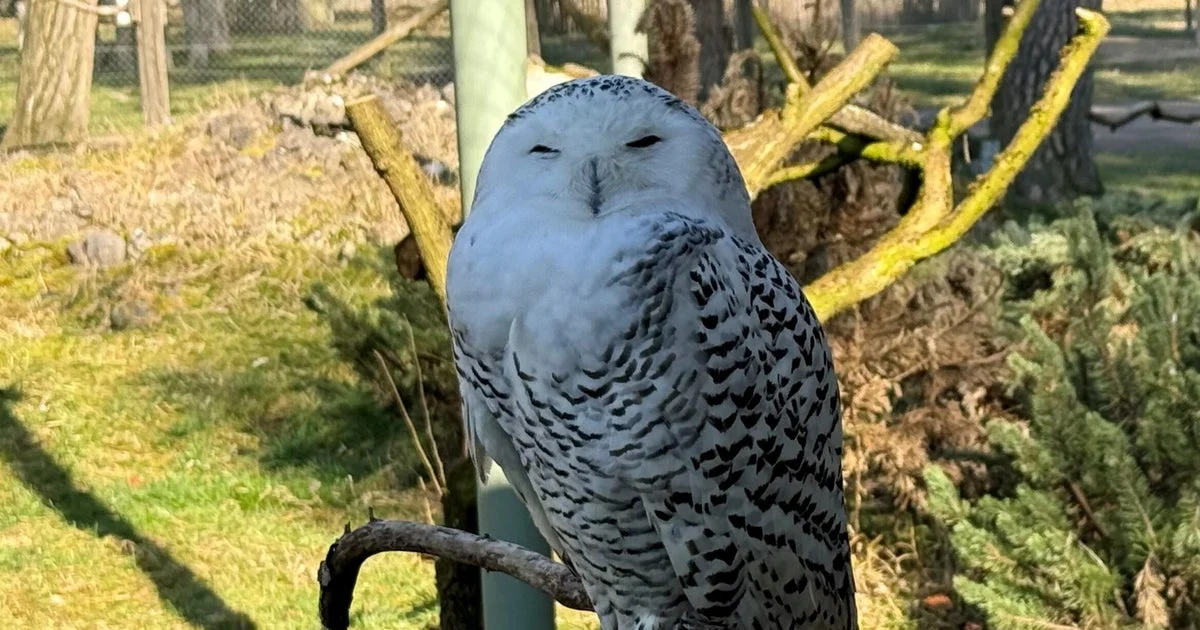
The United Nations Convention on the Conservation of Migratory Species of Wild Animals (CMS) has added 40 species to its international protection list, including the snowy owl, cheetah, and great hammerhead shark. The decision was announced at the conclusion of the CMS COP15 summit held in Campo Verde, Brazil, which gathered representatives from 132 countries and the European Union.
The newly protected species encompass a range of migratory wildlife, including birds like the snowy owl (Bubo scandiacus) and the Hudsonian godwit (Limosa haemastica), a shorebird facing extinction. Predators such as the striped hyena (Hyaena hyaena) and the cheetah (Acinonyx jubatus) were also included, alongside aquatic animals like the giant otter (Pteronura brasiliensis) and the great hammerhead shark (Sphyrna mokarran).
The CMS requires its member countries to legally protect listed species by conserving and restoring their habitats, eliminating barriers to migration, and cooperating with other range states. The gathering in Campo Verde, located in Brazil’s biodiverse Pantanal wetlands, focused on addressing the urgent threats to migratory species worldwide.
A report released before the summit revealed that nearly 49 percent of all species catalogued by the CMS are experiencing population declines, with about one in four species threatened globally with extinction. CMS Executive Secretary Amy Fraenkel highlighted the urgency, saying that although participants left with stronger protections and plans, “the species themselves are not waiting for our next meeting.”
Additional findings discussed at the summit noted a sharp decline in migratory freshwater fish populations, which are essential to river ecosystems and support millions of people globally. These declines are driven by habitat destruction, overfishing, and pollution across major river systems from the Amazon to the Danube.
Why it matters
The inclusion of these 40 species under international protection obligates CMS member states to take coordinated conservation actions. This is critical as migratory species often cross multiple national borders, necessitating multinational cooperation to effectively address threats such as habitat loss and poaching. The decision reinforces global efforts to prevent extinctions and preserve biodiversity essential for ecosystem health.
Background
The CMS, also known as the Bonn Convention, is a key international treaty focused on the conservation of migratory animals and their habitats. Its triennial COP meetings serve as major forums for updating protection lists and strengthening commitments. The 2026 COP15 coincided with broader environmental discussions in Brazil, a country known for its diverse and endangered wildlife.
Read more Climate & Environment stories on Goka World News.