
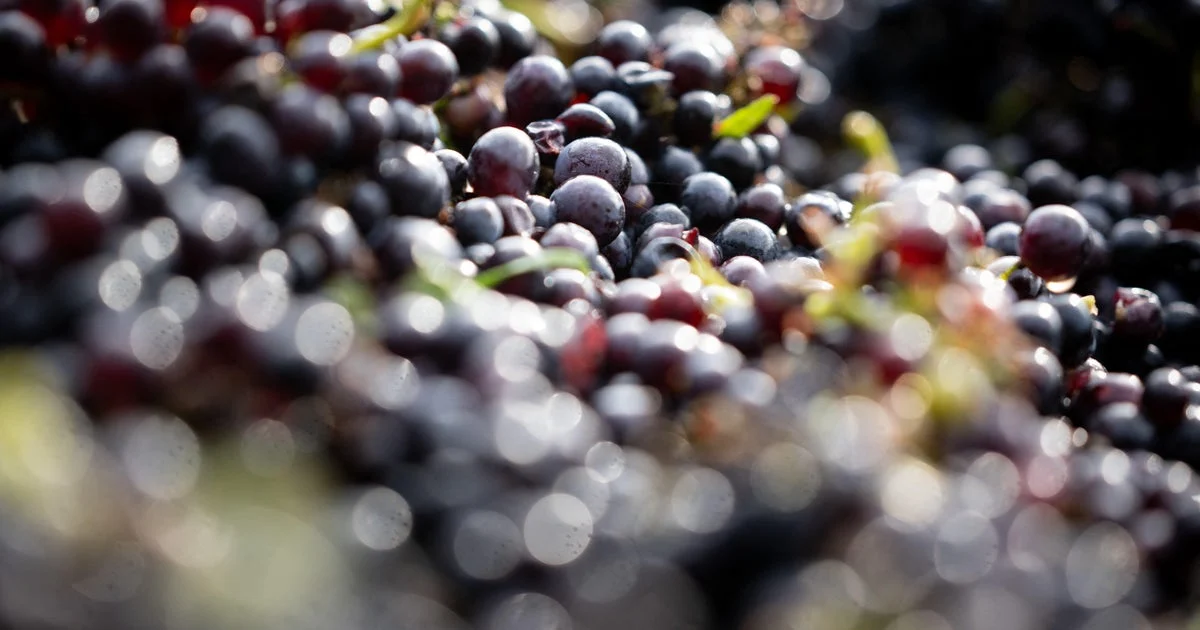
Researchers have identified a 600-year-old grape seed found in the toilet of a medieval hospital in Valenciennes, northern France, as genetically identical to the pinot noir grape used today to produce wine. The discovery confirms that this popular grape variety was cultivated in France as far back as the 1400s.
The seed was recovered from toilet remains, which in the medieval period sometimes served as rubbish bins. The finding links modern French viticulture to its historical roots, demonstrating continuity in grape growing over centuries in one of the world’s leading wine-producing countries.
Genetic Analysis of Ancient Grapes
The study, published in Nature Communications, involved sequencing the genomes of 54 grape seeds ranging from the Bronze Age (around 2300 BC) through the Middle Ages. This genetic investigation revealed long-standing viticultural practices, including clonal propagation—the preservation of grapevine cuttings over generations—dating back at least 600 years.
Lead researchers noted that while historical texts hinted at such cultivation methods, genetic evidence now firmly establishes their use as early as the Iron Age (circa 625–500 BC). The oldest grape seeds analyzed were from wild vines in the Nîmes region, dated to about 2000 BC. Domesticated grapevines began appearing between 625 and 500 BC in southern France’s Var region, coinciding with the arrival of Greek colonists who founded Marseille and introduced viticulture.
Viticulture’s Historical and Cultural Significance
The analysis also traced extensive genetic mixing of domesticated varieties with local wild grapes, especially during the Roman period in northern France. Moreover, the DNA evidence shows grape varieties were exchanged across wide regions, including Spain, the Balkans, the Caucasus, and the Middle East.
Pinot noir, frequently associated with Burgundy, is currently the world’s fourth most widely grown grape. France remains a global leader in wine production, with viticulture forming an essential part of its cultural heritage and economy. The wine industry generates tens of billions of dollars annually and supports hundreds of thousands of jobs.
However, the country’s vineyards face increasing threats from climate change, marked by rising temperatures and extreme weather events. France experienced its smallest grape harvest since 1957 in 2021, resulting in more than $2 billion in lost sales, heavily impacting one of its top export industries.
Why it matters
This genetic confirmation of pinot noir cultivation dating back six centuries provides valuable insights into the longevity and resilience of French viticulture. Understanding the historical continuity of grape varieties informs both cultural identity and contemporary efforts to protect and adapt the industry amid climate challenges. The research also opens new avenues for collaboration between geneticists and historians to explore ancient winemaking techniques.
Read more Climate & Environment stories on Goka World News.