
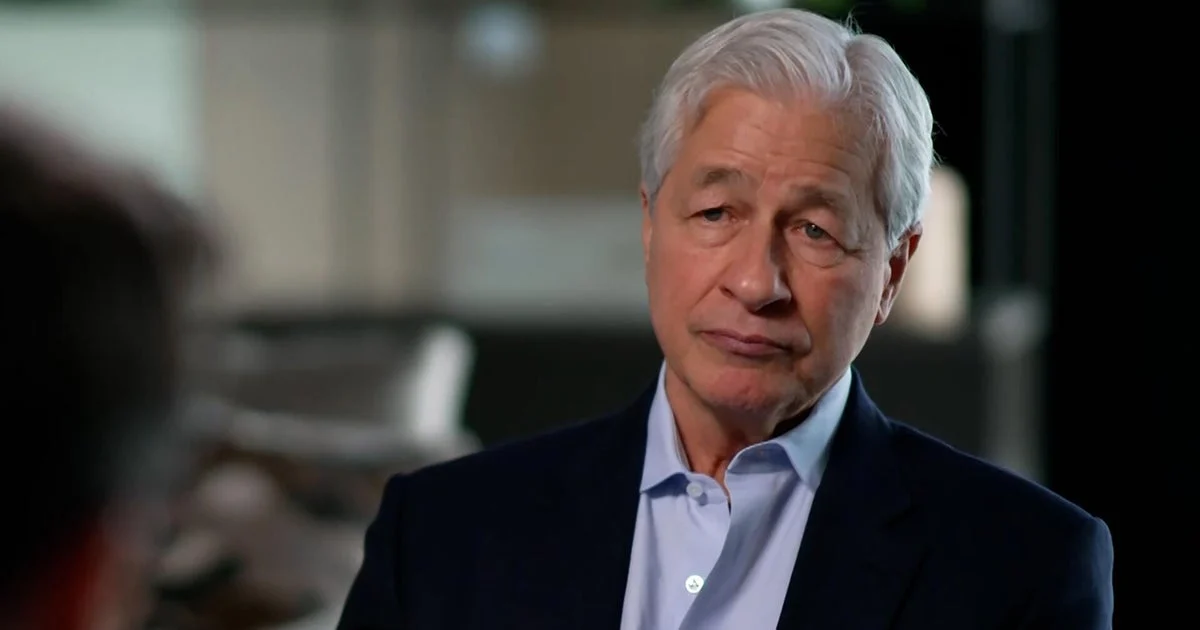
Jamie Dimon, CEO of JPMorgan Chase, expressed uncertainty about whether the ongoing war involving Iran will trigger a recession in the United States. Speaking to CBS Evening News anchor Tony Dokoupil, Dimon emphasized that the conflict’s outcome holds significant implications beyond the economy.
“I don’t know if this war will tip the economy into a recession,” Dimon said, reflecting cautious economic forecasting amid global tensions. He added, “I think what’s more important for the future of the world is that this war successfully conclude.”
Potential Economic Impact
While Dimon did not commit to a specific economic forecast related to the Iran conflict, his comments highlight concerns that geopolitical instability could affect energy prices, supply chains, and investor confidence—factors that can influence economic growth. Historically, conflicts in the Middle East have had the potential to disrupt oil markets and exacerbate inflationary pressures.
Calls for Resolution
Dimon’s remark underscores a broader sentiment among business leaders: the resolution of international conflicts is critical not only for geopolitical stability but also for economic health. His emphasis on ending the war successfully suggests that uncertainty and prolonged military engagements pose risks to global markets and economic recovery efforts post-pandemic.
Why it matters
Dimon’s position is particularly relevant as policymakers and investors watch the evolving situation closely. An escalation or prolonged conflict involving Iran could increase volatility in financial markets, affect global energy supplies, and potentially derail fragile economic expansion in the US and worldwide.
Read more US News stories on Goka World News.