
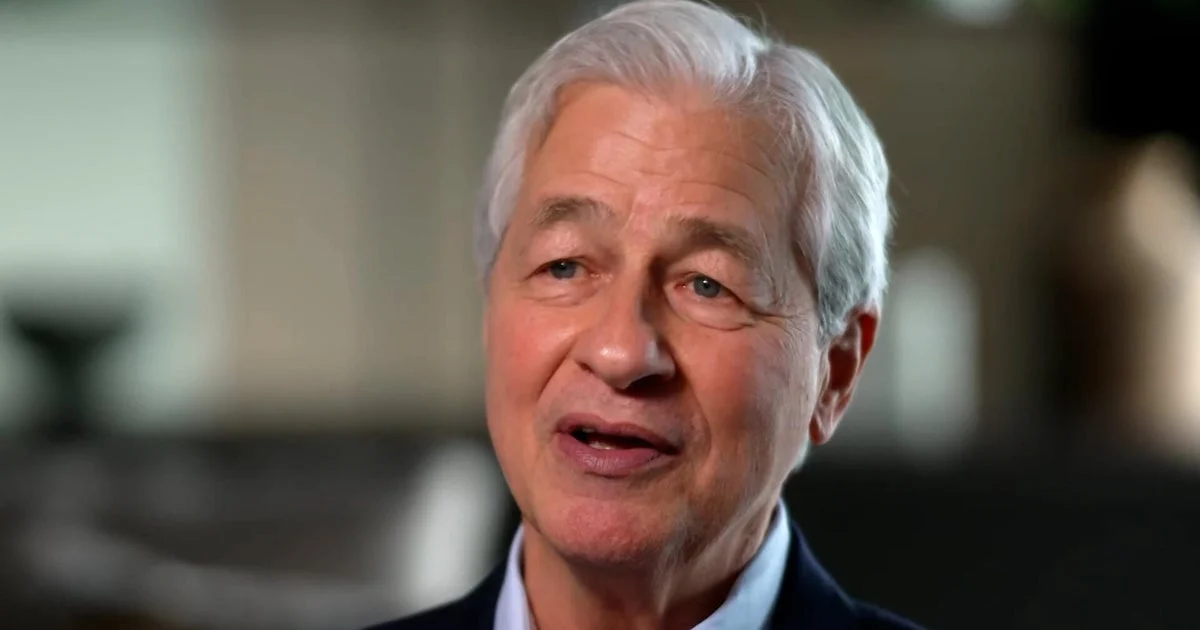
JPMorgan Chase CEO Jamie Dimon spoke about the rapid advancement of artificial intelligence (AI) and the ongoing war in Iran, outlining their potential effects on the U.S. economy and financial markets. In an extended interview with CBS Evening News anchor Tony Dokoupil, Dimon emphasized the significance of these global developments for investors and policymakers.
Dimon on Artificial Intelligence
Dimon acknowledged the transformative power of AI technologies, highlighting their potential to disrupt industries and reshape economic landscapes. He underscored the need for businesses and governments to adapt swiftly to AI innovations to maintain competitive advantages and address emerging regulatory challenges. However, he did not provide specific predictions about AI’s timeframe or detailed economic impacts during the interview.
Economic Impact of the Iran Conflict
Addressing the war in Iran, Dimon noted the conflict’s potential to create volatility in global markets and uncertainty in energy prices, which could influence inflation and economic growth worldwide. He cautioned that prolonged instability in the region might pose risks to the American economy, especially in sectors sensitive to oil supply and geopolitical tensions.
Comments on Prediction Markets
Dimon also touched briefly on prediction markets as tools for gauging political and economic risks, suggesting their growing relevance amid uncertain geopolitical environments. This comment related to how markets process information about ongoing international conflicts and technological shifts.
Read more US News stories on Goka World News.