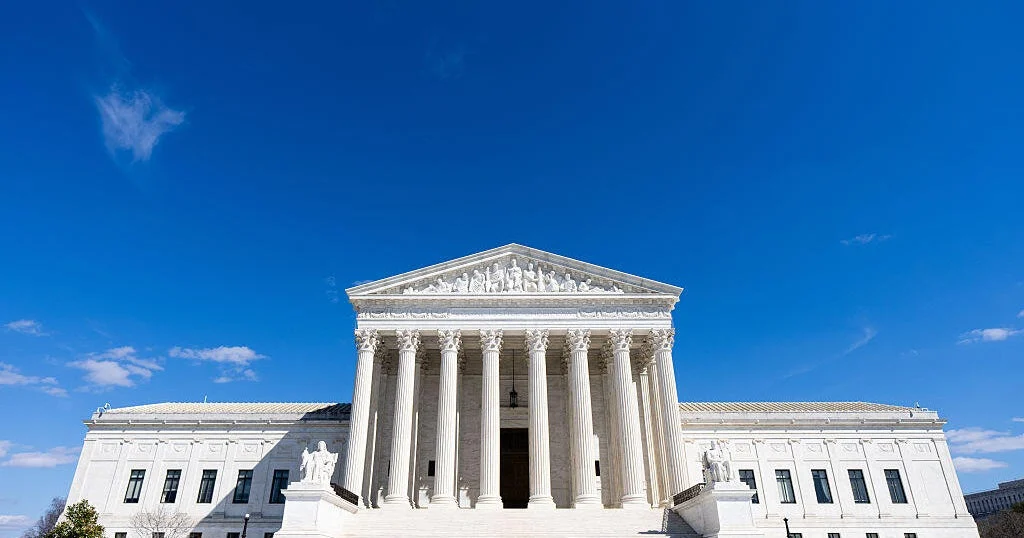
The U.S. Supreme Court ruled on March 31, 2026, that Colorado’s law banning conversion therapy for minors violates the First Amendment, siding with counselor Kaley Chiles who challenged the state’s restriction. In an 8-1 decision, the Court found the law improperly regulates speech based on viewpoint and failed to receive the highest level of constitutional scrutiny from lower courts.
The decision reverses a ruling by the 10th U.S. Circuit Court of Appeals, which upheld the law as a regulation of professional conduct rather than speech. The Supreme Court emphasized that Colorado’s ban goes beyond regulating conduct by restricting what counselors can say during therapy sessions. Justice Neil Gorsuch, writing for the majority, stated the law “prescribes what views [Chiles] may and may not express” and thus constitutes censorship on the basis of viewpoint, an impermissible government action under the First Amendment.
Justice Ketanji Brown Jackson was the sole dissenter, warning that invalidating the law risks undermining states’ authority to regulate medical care and protecting public health. She argued that permitting the regulation of medical treatment to be challenged as a free speech issue would open a “dangerous can of worms.”
Colorado’s conversion therapy law and legal challenge
Colorado’s Minor Conversion Therapy Law, enacted in 2019, prohibits licensed mental health professionals from offering any practice or treatment aimed at changing a minor’s sexual orientation or gender identity, including talk therapy. Violators face fines and potential license suspension or revocation.
Chiles, a licensed counselor who provides “faith-informed” counseling upon request, sued state officials. She argues the law violates her free speech by censoring conversations that seek to reduce unwanted sexual attractions or help clients feel congruent with their biological sex. Her legal team noted that while the law bans attempts to alter sexual orientation or gender identity, it permits treatments supporting gender transition.
Responses and ongoing implications
Jim Campbell, chief legal counsel for the Alliance Defending Freedom who represented Chiles, hailed the ruling as a “significant win” for free speech and families. Conversely, Colorado Attorney General Phil Weiser criticized the decision as a setback for protecting children from harmful practices and vowed to assess its impact on state law and patient safeguards.
The ruling does not invalidate Colorado’s ban outright but requires lower courts to apply strict scrutiny, the most rigorous constitutional standard, when reviewing such laws. This sets a high bar for states attempting to restrict or regulate speech within therapeutic settings.
Why it matters
This Supreme Court ruling highlights the tension between states’ efforts to regulate mental health care practices deemed harmful—such as conversion therapy—and the constitutional protection of free speech. It emphasizes that laws regulating speech based on viewpoint face heightened judicial scrutiny, which can constrain states’ ability to enforce bans on certain therapies.
The decision arrives amid a broader judicial focus on First Amendment rights intersecting with LGBTQ issues and raises questions about how states can balance protecting vulnerable populations with respecting free speech rights of medical and counseling professionals.
Read more Politics stories on Goka World News.