
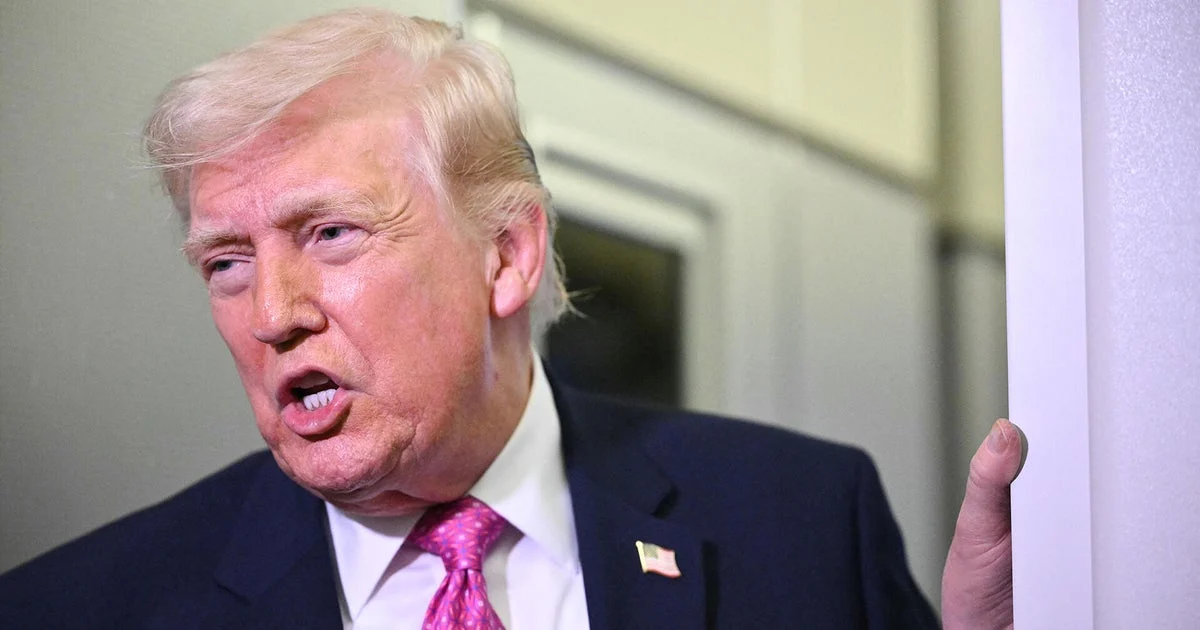
President Donald Trump signed an executive order on March 31, 2026, that mandates stricter rules for mail-in voting and directs the federal government to compile official lists of confirmed U.S. citizens eligible to vote in each state. The order, issued without Congressional approval, aims to reshape voting procedures ahead of upcoming elections but faces immediate criticism and likely court challenges.
In the Oval Office, Trump justified the order by citing concerns about mail-in voting fraud, calling such cheating “legendary.” The order instructs the Secretary of Homeland Security, Markwayne Mullin, to develop the lists using data from the Social Security Administration. The order stipulates that absentee ballots can only be mailed by the U.S. Postal Service to individuals included on these federally approved lists, limiting ballot distribution to one envelope per voter.
The executive order threatens states that do not comply with a loss of federal funding, although details remain unclear about protections for voters inadvertently excluded from the newly created lists. This federal intervention arrives amid the ongoing midterm primary elections in multiple states, though its immediate effect on these contests is uncertain.
Trump, who has previously supported mail-in voting—he voted absentee in Florida’s special election earlier this month—has pushed Congress to pass the SAVE Act. This legislation would impose proof-of-citizenship requirements for voter registration, addressing alleged fraud that Trump describes as rampant despite minimal evidence. The Heritage Foundation, aligned with Trump, estimates about 100 verified instances of non-citizens voting nationwide since 2000, indicating such occurrences are rare.
Legal experts broadly agree that the Constitution grants states primary authority over election procedures, limiting the president’s power to enforce such sweeping election changes unilaterally. Democratic election lawyer Marc Elias warned on social media that the order is unconstitutional and vowed legal action.
State officials responded strongly. Arizona Secretary of State Adrian Fontes condemned the order as an attempt to weaponize sensitive voter information and pledged to challenge it in court. Moreover, this executive action coincides with ongoing controversies surrounding voter registration data. The Justice Department and Department of Homeland Security are reportedly negotiating agreements to use voter registration data in immigration and criminal investigations, raising further privacy concerns amid active litigation over federal data collection efforts in multiple states.
Why it matters
The executive order signals a significant federal attempt to influence state-controlled election administration, particularly mail-in voting, in a highly polarized political environment. It could restrict mail ballot access, alter voter registration processes, and raise privacy issues by linking voter rolls to federal databases. The legal challenges expected to follow will likely test the limits of presidential authority over elections, with implications for voting rights and election security nationwide.
Read more Politics stories on Goka World News.