
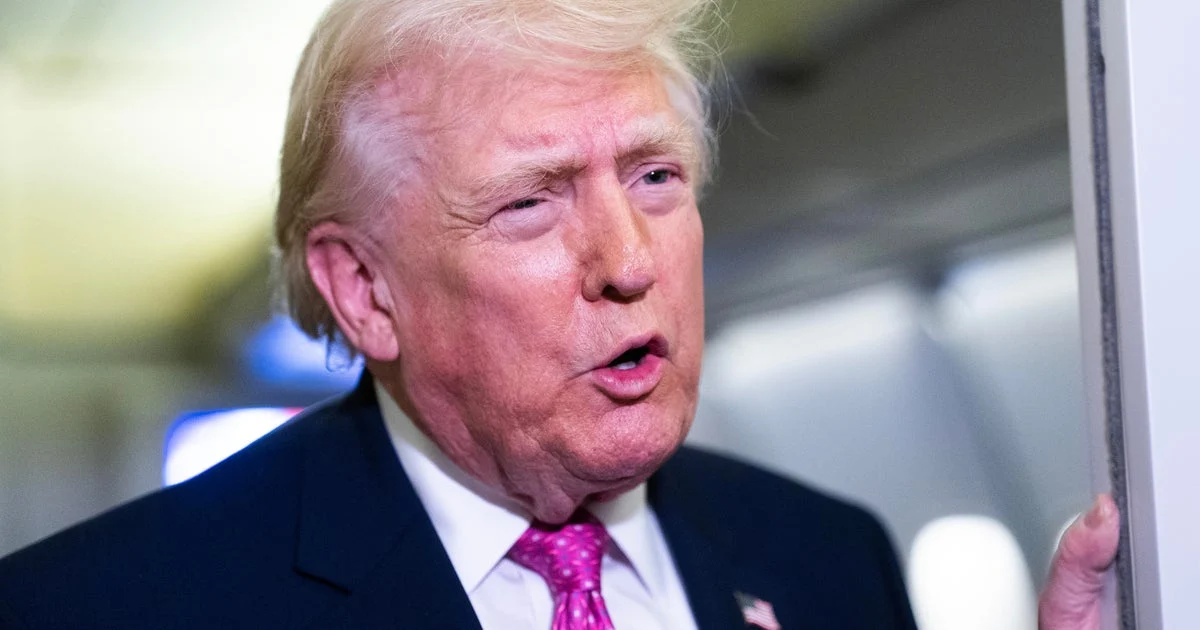
President Donald Trump told CBS News on March 31 that the United States is not yet pulling its military assets from the Strait of Hormuz, a critical oil transit route, despite earlier statements urging allies to take over security responsibilities. Trump emphasized that while the U.S. has heavily weakened Iran’s capabilities, other countries must now step in to manage the region’s stability.
In a phone interview, Trump expressed frustration that allies—including the United Kingdom—had not contributed military support to the ongoing U.S.-Israeli campaign against Iran. “At some point I will [withdraw], not quite yet. But countries have to come in and take care of it. Iran has been decimated, but they’re going to have to come in and do their own work,” he said.
The president downplayed the threat posed by Iran’s ongoing strikes on ships and infrastructure in the Persian Gulf. He described the Strait of Hormuz as not facing a “real” or “substantial” threat, noting that Iran’s military strength has been severely damaged. “If they’re having a hard time getting oil, let them come and take it like they’re supposed to,” Trump stated, criticizing NATO and other allies for inadequate involvement.
Gas prices in the U.S. have risen amid the conflict, with the national average per gallon surpassing $4 for the first time in over three years, according to AAA. Trump linked future price decreases to the end of the military operation. White House Press Secretary Karoline Leavitt echoed this, saying, “When Operation Epic Fury is complete, gas prices will plummet back to the multi-year lows American drivers enjoyed before these short-term disruptions.”
Asked about a timeline for concluding U.S. military actions, Trump declined to provide firm dates but suggested the operation was progressing faster than expected, stating, “I would say we are two weeks ahead of schedule.” The initial prediction was for a four to six weeks’ duration, and the conflict was in week five at the time of the interview.
Trump also claimed Iran no longer has significant military capabilities and described a “total regime change” as a major outcome of the campaign. Nevertheless, he avoided specifying whether the U.S. military would be able to eliminate Iran’s enriched uranium stockpile, a difficult task experts say is crucial to preventing nuclear weapon development.
Why it matters
The Strait of Hormuz is a strategic global chokepoint through which about 20% of the world’s oil is transported, making its security vital to energy markets and international trade. Continued U.S. military involvement aims to prevent disruptions from escalating, but Trump’s calls for allies to increase their roles highlight broader challenges in burden-sharing among Western and regional powers amid rising tensions with Iran.
Background
The U.S.-Israeli military campaign against Iran escalated following renewed confrontations in the Persian Gulf, including Iranian attacks on shipping and regional infrastructure. The Trump administration has prioritized preventing Iran from acquiring nuclear weapons, with military strikes targeting Iranian nuclear facilities in the previous year. The conflict’s effects have contributed to higher global oil prices and supply uncertainties.
Read more Politics stories on Goka World News.