
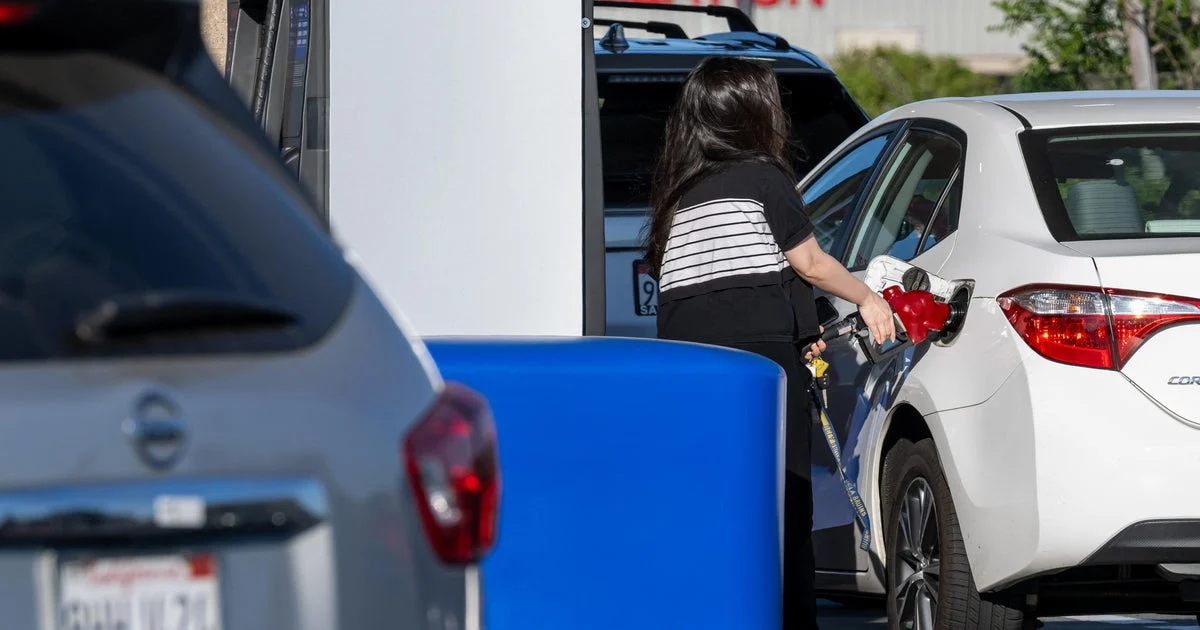
Gasoline prices in the United States exceeded $4 a gallon on March 31, reaching an average of $4.02, according to AAA. This marks the first time since August 2022 that prices have risen above this level, largely due to tensions and supply disruptions caused by the ongoing conflict involving Iran.
The primary factor behind the fuel cost increase is the disruption of crude oil shipments in the Strait of Hormuz, a strategic passage accounting for roughly 20% of the world’s oil and natural gas supply. The U.S. and Israel launched attacks on Iran on February 28, escalating the conflict and contributing to volatility in global oil markets.
Following these events, oil prices have surged, pushing gasoline costs upward. Diesel fuel prices also rose, reaching $5.454 per gallon on March 31, up from $5.416 the day before. Diesel is critical for agriculture, construction, and transportation sectors, potentially affecting broader economic activity due to increased fuel expenses.
Former President Donald Trump stated in an interview that gas prices are expected to fall “when we leave, when it’s over,” referencing the conflict and its resolution. Meanwhile, White House Press Secretary Karoline Leavitt indicated that gas prices should return to previous lows once “Operation Epic Fury,” a current military initiative, is complete.
Prices had briefly topped $5 per gallon during June 2022, following Russia’s invasion of Ukraine, but gasoline has only remained above $4 for 157 days since 2009, mostly concentrated in 2022, said Patrick De Haan, a petroleum analyst at GasBuddy.
A CBS News poll conducted in late March showed that 90% of respondents expect the Iran conflict to drive oil and gas prices higher in the short term, while 58% anticipate sustained increases over the long term. Additionally, 85% of drivers reported noticing higher local fuel costs.
The Trump administration has attempted to mitigate soaring energy prices by releasing oil from the strategic petroleum reserve and loosening regulatory constraints. However, experts warn these measures are insufficient to fully address supply shortages or significantly lower pump prices.
Why it matters
Rising fuel prices directly affect consumer budgets and have broader economic implications. Increased diesel costs can lead to higher transportation expenses, potentially raising prices for goods and services nationwide. With millions of Americans relying on vehicles daily, sustained high fuel costs can dampen spending and economic growth.
Background
The Strait of Hormuz is a crucial chokepoint for global energy supplies. Any disruption in this narrow waterway can have immediate global repercussions on oil prices due to its role in transporting a substantial portion of the world’s oil and natural gas. The current conflict involving Iran has intensified concerns about supply stability, echoing past price shocks linked to geopolitical crises.
Read more Business stories on Goka World News.