
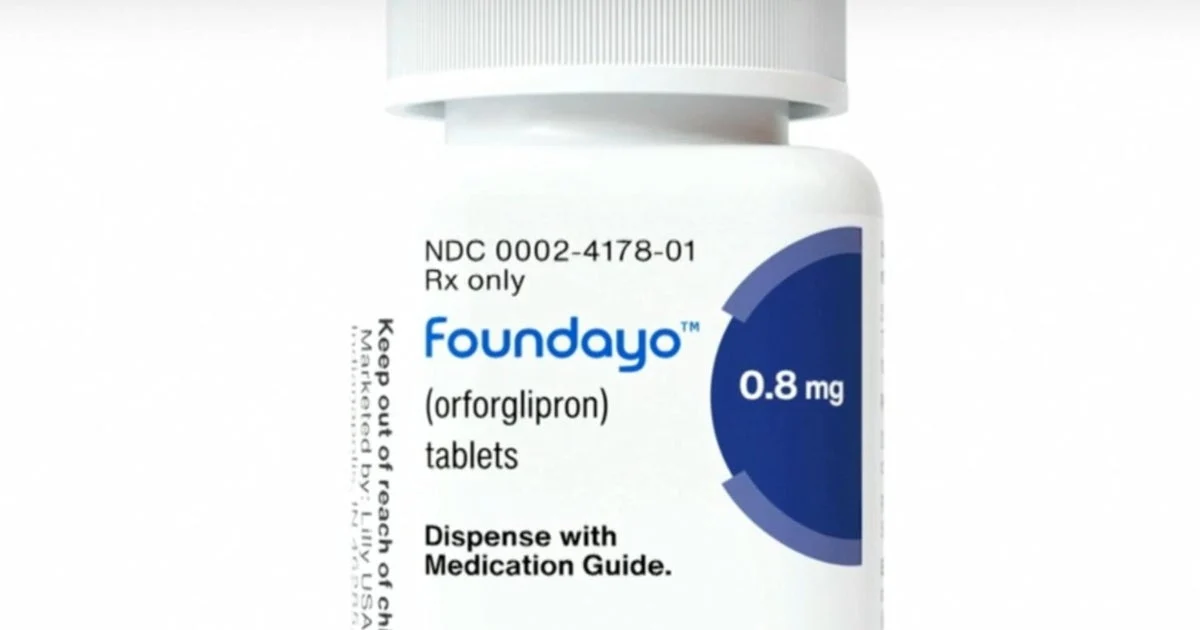
The U.S. Food and Drug Administration (FDA) has approved a new weight loss medication developed by Eli Lilly, marking another advance in the class of drugs known as GLP-1 receptor agonists.
This approval introduces a new therapeutic option targeting obesity through appetite regulation and metabolic effects. The drug works by mimicking the glucagon-like peptide-1 (GLP-1) hormone, which influences insulin secretion and reduces hunger.
How the drug works
GLP-1 receptor agonists stimulate the pancreas to release insulin in response to high blood sugar levels while also slowing gastric emptying and suppressing appetite. This multifaceted mechanism aids in reducing body weight among users with overweight or obesity.
Eli Lilly’s new medication joins a growing group of GLP-1 drugs that have gained regulatory approval for weight management, reflecting increased focus on pharmacological approaches to combat the widespread health issue of obesity.
Why it matters
The FDA’s approval expands the options available to healthcare providers for treating patients struggling with obesity, a condition linked to increased risks of diabetes, cardiovascular disease, and other chronic illnesses. Effective medical treatments alongside lifestyle interventions can play a critical role in managing weight and improving health outcomes.
Background
Eli Lilly’s drug follows in the footsteps of similar GLP-1 agonists that have recently received FDA approval or emergency authorization. This class of medications has seen a surge in popularity due to demonstrated effectiveness in producing significant weight loss over time.
Experts note that while these drugs offer promising benefits, appropriate patient selection, monitoring, and counseling remain essential to maximize safety and efficacy.
Read more US News stories on Goka World News.