
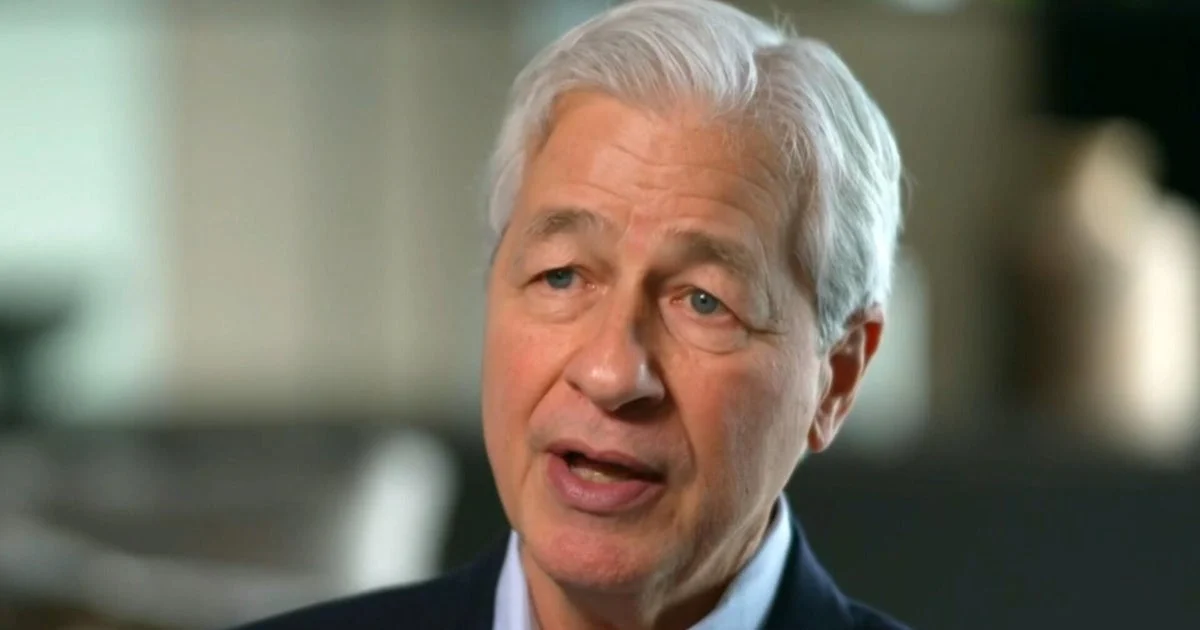
Jamie Dimon, CEO of JPMorgan Chase, shared his insights on the economic impacts of the ongoing conflict involving Iran, as well as the state of the global economy and developments in artificial intelligence, during an interview with CBS News correspondent Tony Dokoupil.
Dimon highlighted how geopolitical tensions linked to the Iran conflict are influencing markets and economic stability worldwide. Although specific details of the conflict’s direct financial effects were not disclosed, he underscored the broader uncertainty it introduces into global trade and energy markets.
In addition to the conflict’s impact, Dimon discussed global economic conditions, noting concerns about inflation, supply chain disruptions, and monetary policy challenges faced by economies worldwide. While JPMorgan Chase continues to navigate these issues, Dimon emphasized the complexity of forecasting their medium-term effects amid ongoing geopolitical instability.
Dimon also touched on the future of artificial intelligence, reflecting on its potential to transform banking and financial services. He indicated that JPMorgan is actively investing in AI technologies to enhance operational efficiency and customer service while managing associated risks.
Why it matters
Geopolitical conflicts such as the Iran war have significant implications for global economic stability, affecting energy prices, supply chains, and investor confidence. Insights from a leading financial executive like Dimon provide important context for businesses and policymakers as they assess risks and adapt strategies.
Background
Jamie Dimon, serving as CEO of JPMorgan Chase since 2005, frequently offers perspectives on economic trends and risks facing the global financial system. His commentary often influences market perceptions given the bank’s role as the largest U.S. lender and a major global financial institution.
Read more World News stories on Goka World News.