
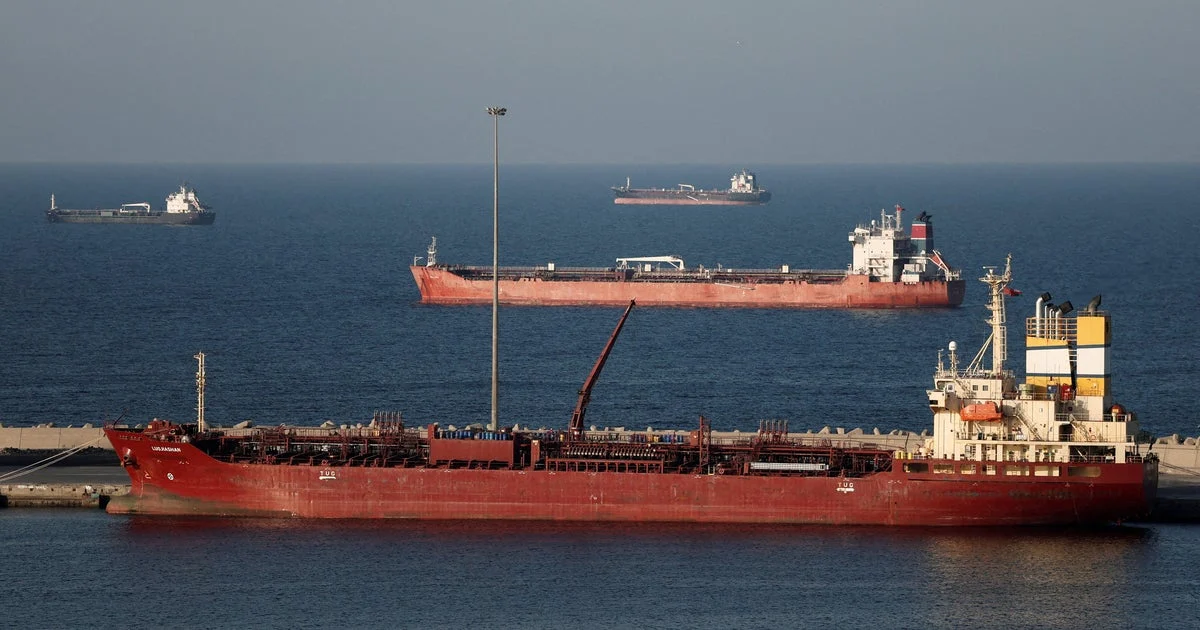
Oil prices risk soaring beyond $150 per barrel if the Strait of Hormuz remains closed due to ongoing conflict between the U.S. and Iran, economists told CBS News. The strait is a vital global oil shipping lane, and its closure has already sharply reduced oil flow, risking sharp increases in fuel costs worldwide.
President Trump recently expressed optimism about ending U.S. military operations in Iran within weeks, temporarily easing investor concerns and global oil prices. However, experts warn this relief could vanish quickly unless Tehran reopens the strait, which remains effectively closed amid rising tensions.
Impact on Oil and Gas Prices
The Strait of Hormuz handles approximately 20 million barrels of oil daily under normal conditions. Since late February, when conflict escalated, the passage has seen a reduction of up to 16 million barrels per day. According to Lloyd’s List Intelligence, over 70% of ships transiting the strait now have Iranian ownership or connections, complicating international shipping.
Nobel Prize-winning economist Paul Krugman described scenarios of crude oil reaching $150 to $200 per barrel as “extremely plausible” if supply remains constrained. Oxford Economics’ lead U.S. economist Bernard Yaros projected U.S. gas prices could stay above $4 per gallon and potentially rise to between $4.12 and $4.15 in the near term.
Petroleum analyst Patrick De Haan of GasBuddy noted that U.S. gas prices are closely linked to developments at the strait and that President Trump’s upcoming remarks could significantly influence market reactions.
Broader Economic Risks
Bridget Payne, head of oil and gas forecasting at Oxford Economics, warned that sustained closures would accelerate price increases, forcing higher energy costs on consumers. Efforts by the U.S. to bolster domestic oil supply have mitigated some price spikes but are insufficient to offset the scale of losses from restricted Persian Gulf exports.
Matt Bernstein of Rystad Energy highlighted the lasting impact of geopolitical risk on market stability, suggesting that even if U.S. forces withdraw and the strait reopens gradually, oil prices may not return to pre-conflict levels due to intensified trade risks.
Why it matters
The Strait of Hormuz is a strategic chokepoint for roughly 20% of the world’s petroleum and natural gas supply. Prolonged closure threatens energy security globally, raising fuel prices and potentially accelerating inflation. For U.S. consumers, rising gas prices translate into broader economic stress, affecting spending and growth. Market volatility linked to geopolitical tensions in the Gulf remains a critical factor for energy markets and international trade stability.
Read more US News stories on Goka World News.