
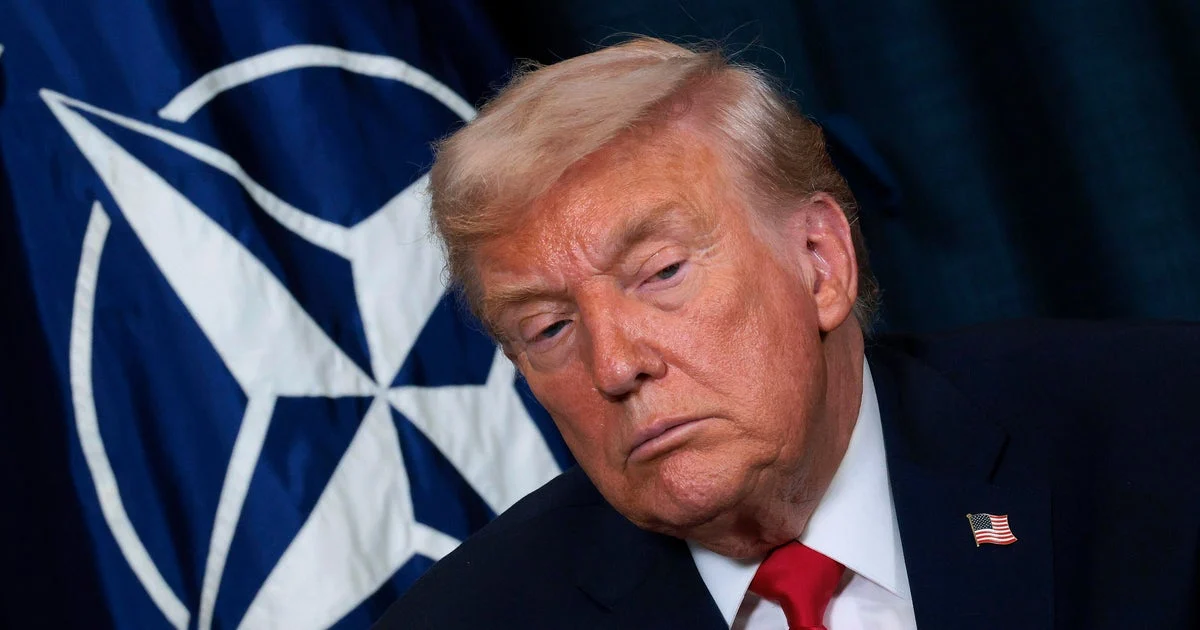
President Donald Trump has announced he is considering withdrawing the United States from the North Atlantic Treaty Organization (NATO), citing frustrations with member countries’ defense contributions and their reluctance to support U.S. actions in the ongoing war with Iran. This comes despite legislation passed in 2023 that requires congressional approval before the U.S. can exit the alliance.
Trump, who has long criticized NATO allies for underfunding their defense responsibilities, intensified his rhetoric amid increased tensions over the Iran conflict. Many NATO members have denied the U.S. permission to use their airspace or military bases in recent weeks, limiting American operations in the region. The president described NATO as a “paper tiger” in an interview with the Telegraph and told Reuters he is “absolutely” contemplating withdrawal.
Legal Constraints on Withdrawing from NATO
While NATO’s founding treaty allows any member to withdraw with a one-year notice, U.S. law restricts the president’s unilateral authority to do so. The 2023 National Defense Authorization Act, championed by then-Senator Marco Rubio—now Secretary of State—includes a provision requiring presidential withdrawal from NATO to receive the advice and consent of two-thirds of the Senate or be authorized by an act of Congress.
Rubio echoed Trump’s concerns in recent remarks, stating the alliance’s future must be reassessed, particularly if European allies do not allow U.S. military support facilities for the Iran war. Senate Democratic leaders, including Chuck Schumer, have publicly opposed any move to exit NATO, emphasizing continued commitment to the alliance.
Despite these legal barriers, some experts suggest the president might attempt to invoke executive authority to bypass Congress, a move likely to trigger legal challenges. Additionally, analysts warn that the president’s hostile posture toward NATO could undermine the alliance’s effectiveness even without an official withdrawal.
Impact on NATO’s Future and U.S. Commitments
The war with Iran has exposed divisions within NATO, with the U.S. stepping back from some military exercises and pressing Europe to increase defense spending during Trump’s administration. Concerns have arisen over whether the U.S. will maintain its commitments under NATO’s Article 5, which states an attack on one ally is an attack on all, and whether it will uphold its nuclear deterrence guarantees.
Ian Bremmer, president of the Eurasia Group, noted that while withdrawal requires Senate approval, if NATO members doubt the U.S. will honor its collective defense obligations, the alliance’s core trust could already be compromised.
Background
NATO was established in 1949 as a collective defense alliance among North American and European countries. It originally included 12 members and has since expanded to 32, with Finland and Sweden joining most recently. The alliance aims to secure freedom and security through political and military means, anchored by Article 5.
Trump has pressured NATO allies for years to increase their defense budgets, and although member countries have raised their contributions, the U.S. president’s dissatisfaction has resurfaced amid the Iran war due to perceived inadequate support.
Read more Politics stories on Goka World News.