
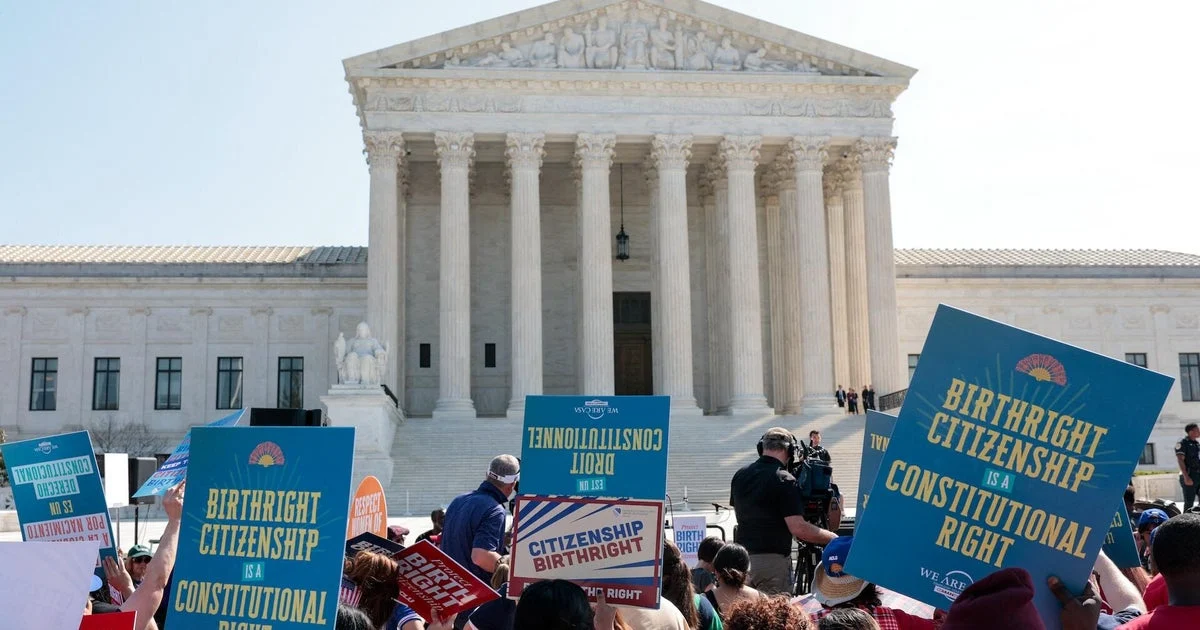
The U.S. Supreme Court appeared doubtful as it heard arguments challenging President Donald Trump’s attempt to end birthright citizenship, a key element of his immigration policy. Justices questioned the legal basis for revoking citizenship automatically granted to anyone born on American soil.
Legal Challenge to Birthright Citizenship
The case revolves around President Trump’s assertion that the 14th Amendment’s Citizenship Clause, which grants citizenship to all persons born in the United States, can be overridden by executive action. The administration’s argument claims that the clause was not intended to extend citizenship to children of undocumented immigrants.
During the hearing, several justices expressed skepticism about overturning established constitutional interpretation without congressional approval. The justices probed whether the president has the authority to deny birthright citizenship solely through executive decisions.
Implications for Immigration Policy
Birthright citizenship has been a foundational principle of U.S. immigration law since the 19th century, ensuring that anyone born in the country is automatically a citizen, regardless of their parents’ status. The proposed change could affect hundreds of thousands of children born in the United States annually, altering their legal rights and status.
The case draws significant attention as it tests the limits of presidential authority over immigration and citizenship issues. Observers note the high stakes involved due to the potential impact on immigrant communities and the broader legal precedent regarding constitutional rights.
Read more Politics stories on Goka World News.