
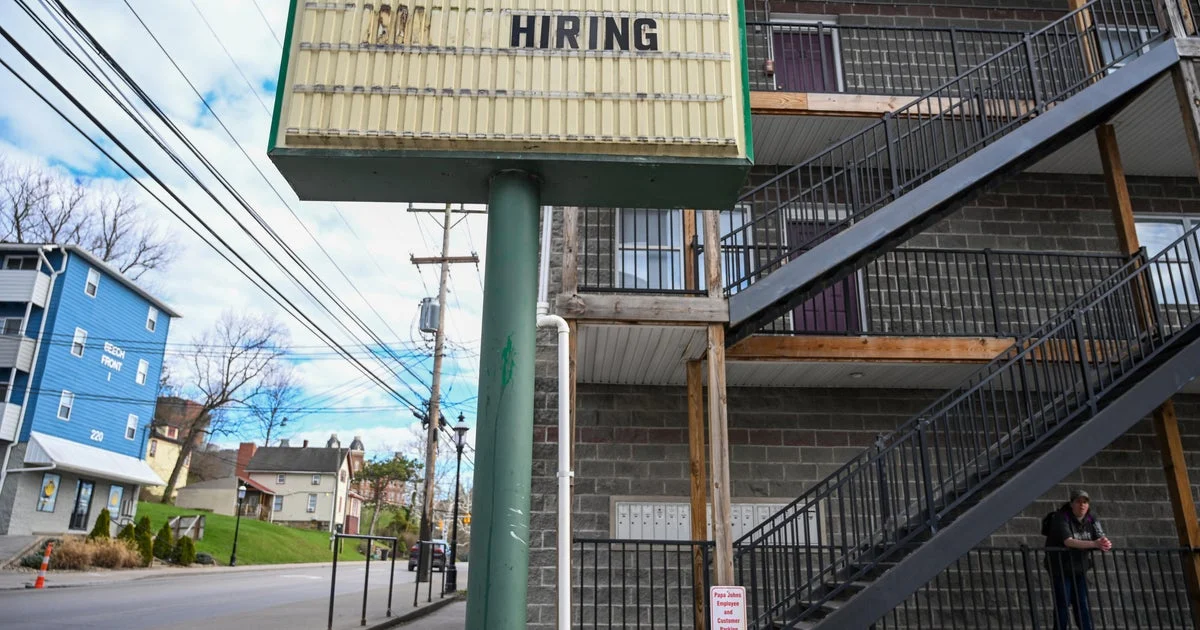
Consumer goods company Unilever has announced a three-month hiring freeze, citing growing economic uncertainty linked to the ongoing war in Iran. The move reflects broader concerns among economists about the conflict’s potential to slow U.S. job growth amid rising costs and geopolitical instability.
Unilever’s Hiring Freeze Responds to Geopolitical Risks
In a memo obtained by Reuters, a Unilever executive pointed to “macroeconomic and geopolitical realities, especially in the Middle East conflict,” as the reason for halting new hires for the next quarter. The company, known for brands such as Dove and Vaseline, is reportedly reassessing spending as it faces increased costs related to production and distribution amid the war.
Unilever’s decision comes during a period when the U.S. labor market had already begun slowing. The February Job Openings and Labor Turnover Survey recorded the lowest hiring rate since 2020, with employers cutting 92,000 jobs, an unusually sharp downturn following a year marked by sluggish growth and trade uncertainties.
Economic Pressures from Rising Energy and Transportation Costs
Experts warn that the Iran war continues to create headwinds for businesses and consumers alike. Higher fuel prices are increasing transportation costs and consumer expenses, causing airlines to raise fares and pushing up some food prices due to disrupted fertilizer supplies. This environment encourages companies to delay hiring as they evaluate the impact of climbing energy costs.
Matthew Martin, senior U.S. economist at Oxford Economics, noted that uncertainty from previous tariff disruptions resembles the current climate, where companies delay hiring amid unclear cost structures and policy outlooks. Similarly, Yelena Shulyatyeva of The Conference Board highlighted that while energy prices have risen, a significant spike—beyond the current roughly $102 per barrel Brent crude price—would be needed to push the economy into recession.
Potential Effects on U.S. Employment Trends
Despite expectations that the March jobs report, due April 3, will show modest gains driven mainly by healthcare hiring, analysts caution that the report will likely not yet capture the Iran war’s full labor market effects. Goldman Sachs analysts predict the unemployment rate could rise by 0.2 percentage points to 4.6% by September as higher oil prices typically slow job growth and increase unemployment.
Industries reliant on discretionary consumer spending, such as arts, entertainment, accommodation, and food services, are expected to experience the most significant hiring slowdowns. Elevated fuel costs reduce disposable income, prompting consumers to cut back on nonessential purchases and adopt more cautious spending habits.
Martin added that segments focused on travel and luxury goods may be hardest hit as consumers prioritize essentials amid economic uncertainty.
Why it matters
The Iran war is contributing to economic uncertainty that may dampen hiring and consumer spending, complicating the U.S. labor market recovery. Rising energy and transportation costs present challenges for businesses managing budgets and employment plans, while consumers face tighter financial constraints. These developing conditions could influence policy decisions and economic forecasts in the months ahead.
Read more Business stories on Goka World News.