
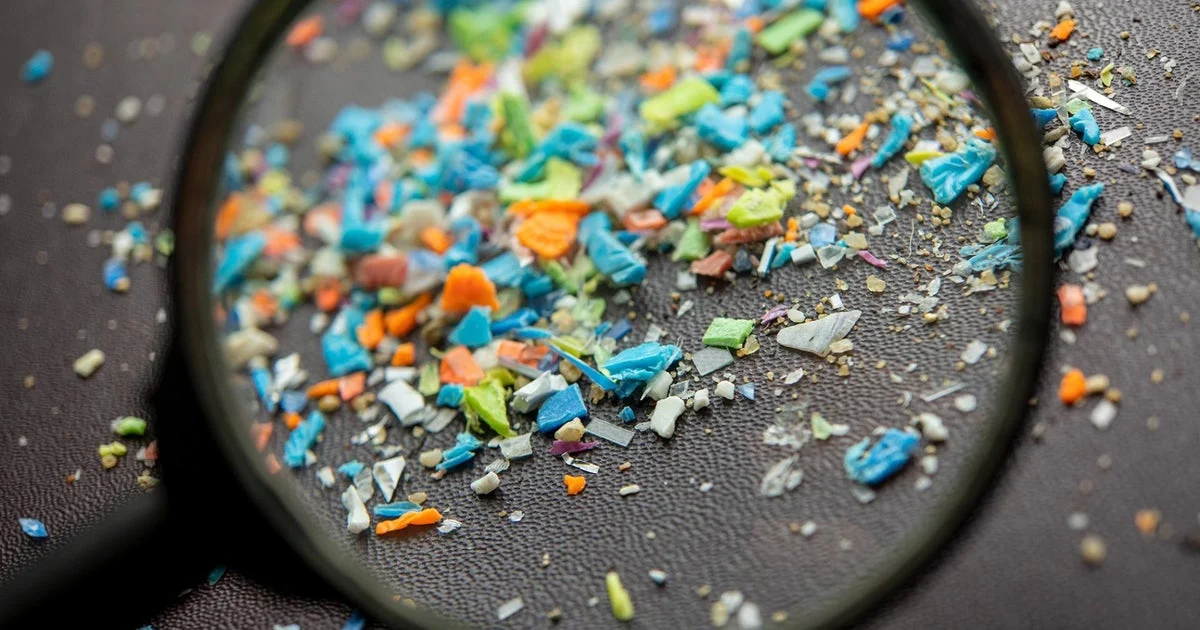
The U.S. Department of Health and Human Services (HHS) announced a $144 million national program designed to study the presence and effects of microplastics within the human body. Named STOMP, or Systemic Targeting of MicroPlastics, the initiative aims to unite toxicologists, data scientists, and other experts to create standardized tools for detecting and quantifying microplastics in humans, assess their health impacts, and develop removal strategies.
HHS Secretary Robert F. Kennedy Jr. emphasized that microplastics are not a theoretical risk but a measurable and increasing presence inside human organs, blood, and placentas. The program will focus its research on populations considered at higher risk, including pregnant individuals, children, and workers with elevated exposure.
Microplastics are tiny particles less than five millimeters in size, originating from the breakdown of larger plastic items. These particles enter the environment through sources such as littering and storm runoff and cannot be fully eliminated by conventional water filtration systems, according to the World Health Organization.
Concurrently, the Environmental Protection Agency (EPA), led by Administrator Lee Zeldin, announced the addition of microplastics to the agency’s contaminant candidate list (CCL) for the first time. This listing identifies substances likely to occur in public water systems but not yet regulated, signaling the EPA’s intent to prioritize research and potentially develop future regulations for microplastics in drinking water.
The EPA’s CCL is updated every five years and includes substances that may require regulatory attention. The draft version of the latest update, CCL 6, also adds pharmaceuticals as candidates, reflecting growing concerns about medications entering water supplies. The final list is expected to be signed by November 17, 2026, following a 60-day public comment period and advisory board review.
Dr. Celine Gounder, a CBS News medical contributor, highlighted that adding microplastics to the CCL is an initial step, noting the current lack of standardized measurement methods and definitive evidence linking typical exposure to specific health outcomes. These gaps complicate efforts to establish legal exposure limits.
To minimize personal exposure, experts recommend avoiding bottled water, refraining from heating food in plastic containers, and improving indoor air quality, acknowledging that complete avoidance of microplastics is currently impossible due to their widespread presence.
Why it matters
Microplastics have become a pervasive environmental contaminant with confirmed presence in human tissues, raising concerns about potential health risks. The HHS program STOMP and EPA’s prioritization of microplastics signal a significant federal response aimed at understanding and mitigating these risks. As research progresses, the findings could inform new regulatory standards and public health strategies to reduce exposure among vulnerable populations.
Background
Microplastics are byproducts of plastic degradation found globally in water, air, and soil. Previous studies have detected microplastics in human blood and organs, but scientific understanding of their health effects remains limited. The EPA’s contaminant candidate list functions as a scientific tool to track emerging contaminants and guide research priorities before regulatory actions are considered.
Read more US News stories on Goka World News.