
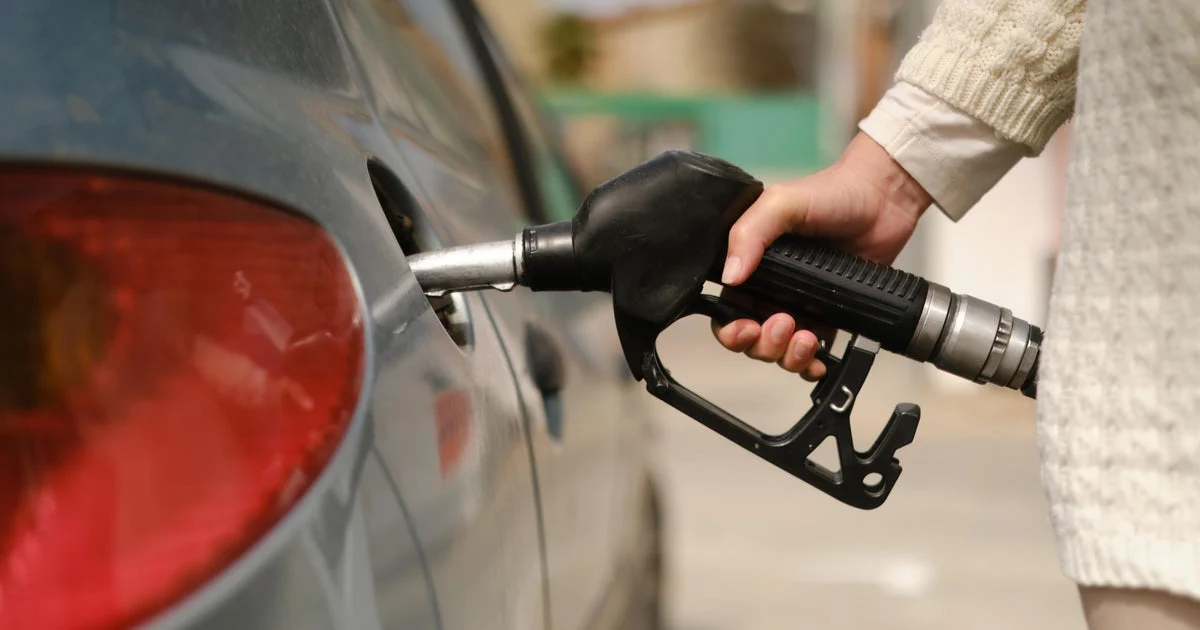
American drivers have incurred an extra $8.4 billion in fuel expenses since the onset of the Iran conflict, according to an analysis by the Democratic minority of the Joint Economic Committee (JEC). This estimate covers the period from February 28, when the U.S. and Israel launched attacks on Iran, through March 31.
The calculation draws on average daily gasoline prices tracked by AAA, combined with data from auto industry researcher Edmunds on fuel tank sizes of popular U.S. vehicles and fuel consumption figures from the Federal Highway Administration and Energy Information Administration.
Gas prices reached an average of $4.08 per gallon on April 2, marking the first time since 2022 that prices topped $4 nationwide. The analysis highlights how this increase has impacted vehicle owners differently: Toyota RAV4 drivers now pay $58.26 to fill their tanks—an increase of $15.02 (35%)—while Ford F-150 pickup owners face a $37.29 increase, paying $144.65 per fill-up. Camry drivers spend $52.23, $13.46 more than before the conflict began.
Despite rising fuel costs, consumer spending remains relatively steady. Credit card data monitored by Navy Federal Credit Union indicates households continue to spend, though the Conference Board’s Consumer Confidence Index, released March 31, shows decreased intentions for major purchases over the following six months. This signals early signs of financial strain for some families as gasoline prices climb.
Heather Long, chief economist at Navy Federal Credit Union, noted that the economic impact is expected to temper spending and GDP growth in the second quarter, attributing this to inflation pressures from elevated gasoline prices.
Regional disparities in added fuel costs are notable. The JEC Minority report estimates Texas drivers have spent $1.04 billion more on gasoline, while Californians have paid an additional $970 million since the end of February. Florida and North Carolina have seen extra expenditures of $684 million and $361 million, respectively.
The Trump administration has described the gasoline price rise as temporary, attributing it to disruptions caused by the Iran war. White House spokeswoman Karoline Leavitt expressed confidence that fuel costs will decline once “Operation Epic Fury” concludes, emphasizing commitment to boosting American energy production and lowering prices.
Why it matters
Rising gas prices impose significant extra costs on U.S. households and affect consumer spending, with potential slowing effects on economic growth. The regional cost differences highlight varying impacts that may influence local economies and voter sentiment amid ongoing geopolitical tensions.
Background
The increase in gas prices follows the start of military activities involving the U.S. and Israel against Iran, which disrupted oil markets globally. Prior to this, gas prices had been trending lower from peaks seen in previous years, but the conflict has reversed this trend, underscoring the vulnerability of fuel prices to geopolitical events.
Read more Business stories on Goka World News.