
U.S. stock indexes recovered from initial losses on Thursday as investors processed President Donald Trump’s recent update on the Iran war and developments regarding the Strait of Hormuz, a critical global oil shipping route.
The S&P 500 gained 7 points, or 0.1%, closing at 6,583. The Nasdaq Composite rose 0.2%, while the Dow Jones Industrial Average fell slightly by 61 points, or 0.1%. Earlier in the trading session, markets experienced sharp declines before steadying amid news that Iran and Oman are negotiating an agreement to manage traffic through the Strait of Hormuz.
Mark Luschini, chief investment strategist at Janney Montgomery Scott, noted the negotiations helped buoy equity prices despite a 10% increase in oil prices. Brent crude oil rose 7.7% to $109 per barrel, and U.S. benchmark crude surged 11.9% to $111.81 per barrel following President Trump’s primetime address Wednesday night.
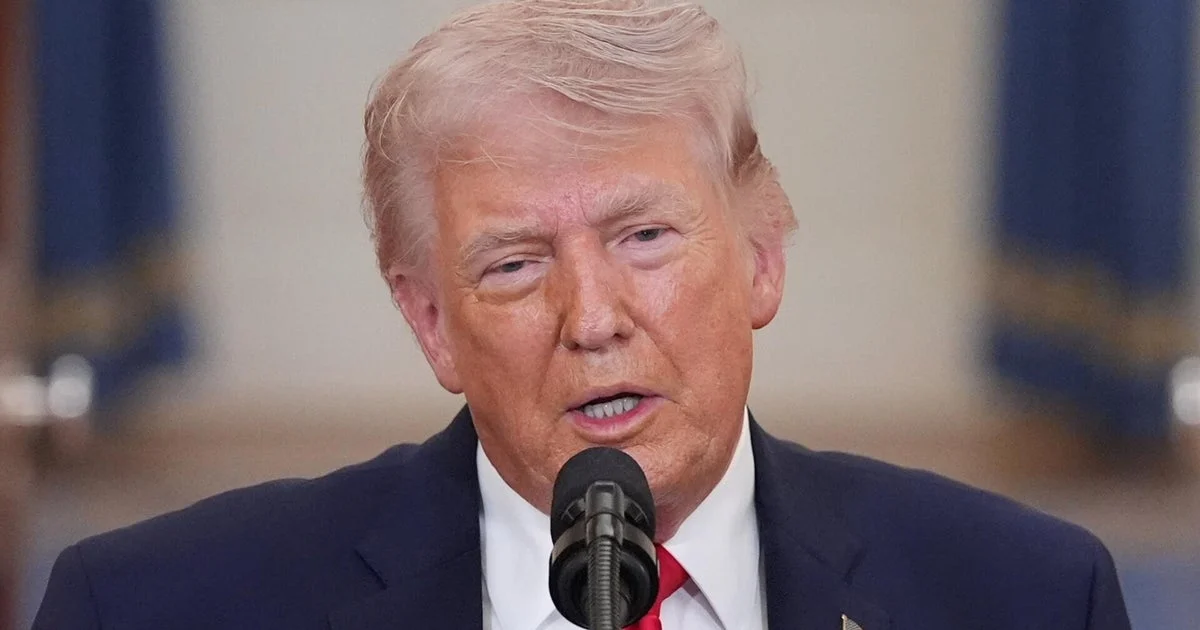
In his speech, Trump reiterated that U.S. military objectives against Iran were nearly complete and claimed Iran’s offensive capabilities were “essentially decimated” after more than a month of conflict. However, he provided no new details on plans to reopen the Strait of Hormuz to oil tankers and stated that U.S. strikes would continue for two to three more weeks.
The Strait of Hormuz normally handles roughly 20% of the world’s oil and liquefied natural gas exports but currently remains effectively closed, a situation that Oxford Economics global chief economist Ryan Sweet said could last through April. Sweet warned that prolonged closure would increase economic costs and put sustained upward pressure on oil prices despite U.S. releases from Strategic Petroleum Reserves.
Nobel laureate economist Paul Krugman described scenarios where crude prices could climb to $150 or even $200 per barrel as plausible if the Strait remains closed. Rising oil prices have contributed to U.S. gasoline prices climbing above $4 per gallon, with AAA reporting a national average of $4.08 as of Thursday. Democrats on the Joint Economic Committee estimated American drivers have paid an extra $8.4 billion in fuel costs since the war began on February 28.
Despite conflict-related uncertainty, investor confidence remains underpinned by positive corporate earnings reports. Bret Kenwell of eToro highlighted that earnings estimates are steadily improving, which investors see as a mitigating factor against the risks posed by higher energy costs and geopolitical tensions.
Markets will be closed Friday for the Good Friday holiday.
Why it matters
The status of the Iran conflict and the Strait of Hormuz’s operational condition significantly influence global oil supplies and prices, directly impacting inflation and consumer costs worldwide. The ongoing closure threatens higher energy prices and increased economic uncertainty, while investors await clearer outcomes on the war and oil transport routes.
Background
Escalating tensions between the U.S. and Iran over the past month have led to military actions disrupting oil shipments through the Strait of Hormuz, a strategic maritime chokepoint through which about one-fifth of the world’s energy supplies transit. The Trump administration has intermittently released oil from reserves to counter supply shocks amid persistent conflict and uncertainty about how and when shipping lanes might reopen.
Read more Business stories on Goka World News.