
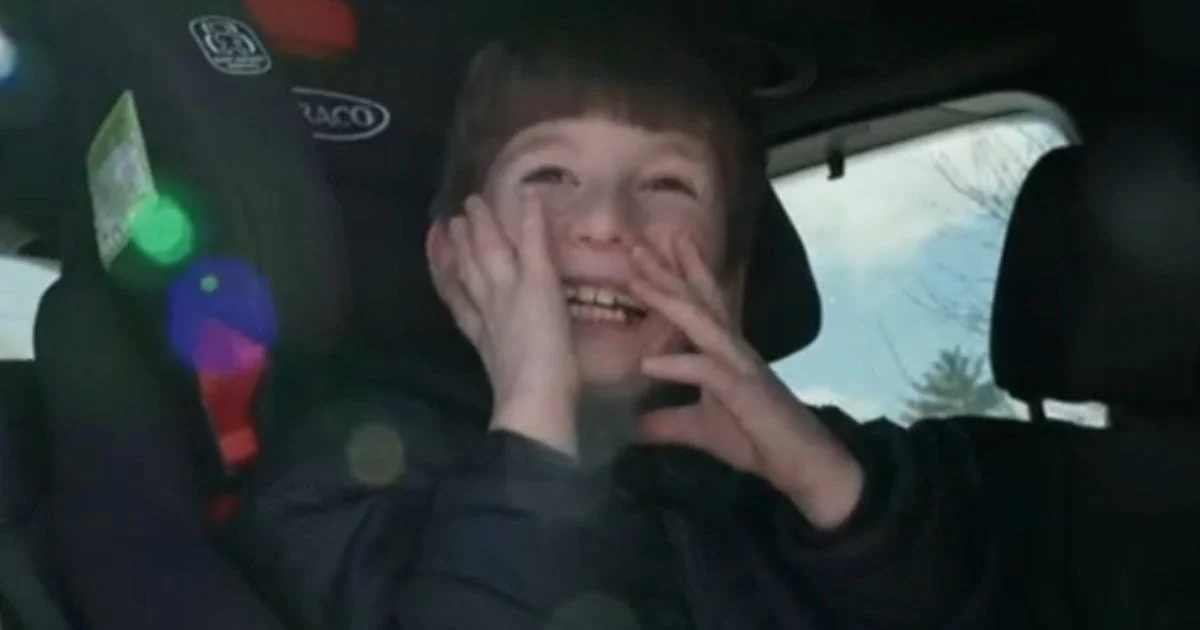
Ben O’Reilly, a seven-year-old student who is deaf and has other special needs, had been feeling isolated at school until his classmates took steps to include him, sparking a wider culture of kindness. The support from his school community has helped reduce his sense of loneliness and improved his school experience.
Student’s experience of isolation
Ben’s aide noted that before the intervention, the young student was often alone, struggling to connect with his peers due to communication barriers related to his deafness and additional challenges. This sense of exclusion impacted Ben’s overall school engagement and social wellbeing.
Classmates’ act of kindness
A gesture by Ben’s classmates initiated a positive shift in how he was included in activities and daily social interactions. The students began to actively reach out to Ben, helping him feel more integrated in school life. This effort became a catalyst for a broader movement of empathy and inclusion within the school community.
Impact of inclusive environment
The support extended by Ben’s school shows the importance of fostering inclusive environments for students with disabilities. By encouraging peer connection and understanding, schools can play a critical role in addressing social isolation and promoting equal participation for all students.
Background
Students who are deaf or have special needs often face significant challenges in communication and social integration in mainstream schools. Inclusive schooling practices, supported by aides and peer education, have been shown to improve social outcomes and emotional health for children in these circumstances.
Read more US News stories on Goka World News.