
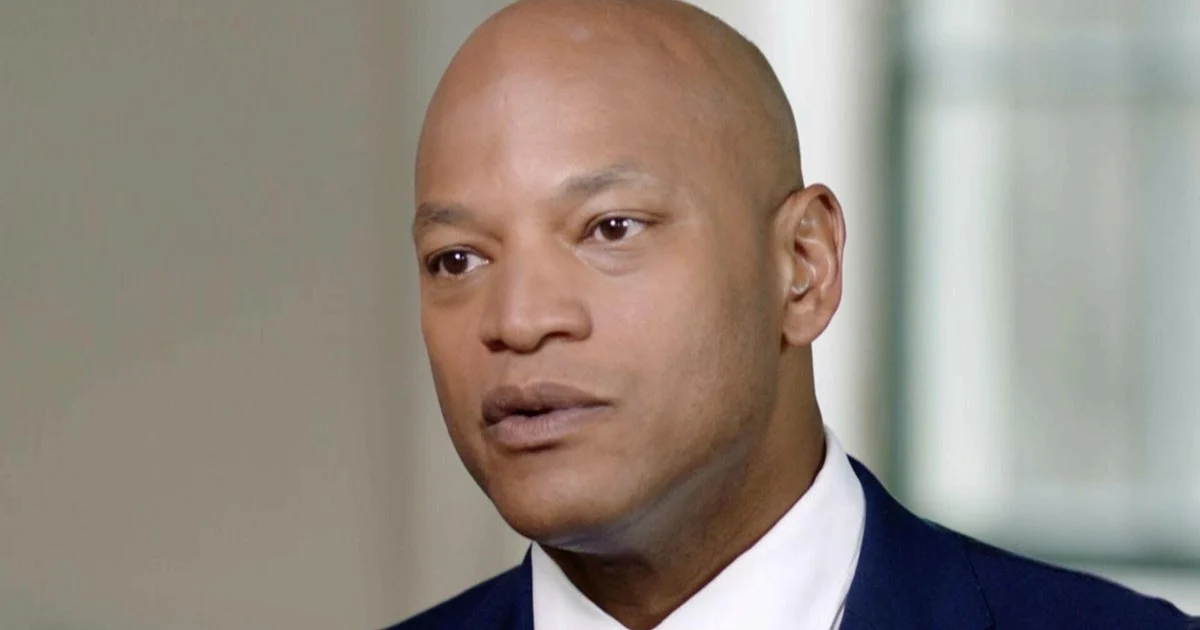
Maryland Governor Wes Moore addressed the economic strain on his state caused by rising gas and energy prices, linking these issues to the ongoing U.S. war in Iran during an interview aired on CBS News’ “Face the Nation” on April 5, 2026. Moore criticized federal handling of the conflict, emphasizing the lack of clarity about the mission and warning against entering another protracted “forever war.”
Economic Pressures and State Responses
Moore acknowledged Maryland residents are feeling the economic pinch from global events affecting energy prices and inflation. He cited his own family’s energy bill, which surged from $140 to nearly $500 over the past year. The governor noted that while state governments do not control gas prices or global energy markets, Maryland is working to protect consumers from corporate price gouging and providing rebates to residents.
Despite public calls to implement a gas tax holiday, Moore rejected the idea, attributing price increases primarily to U.S. foreign policy decisions, including engaging in the Iran war. He underscored that relief efforts in Maryland focus on tax cuts for the middle class and asking wealthier residents to contribute more to fund state priorities like education improvements and crime reduction.
Criticism of U.S. Strategy in Iran
Governor Moore expressed deep concerns about the current U.S. military engagement in Iran, which recently saw a U.S. fighter jet shot down. He said the administration has not clearly defined the purpose or objectives of the conflict and described the situation as “lurching into another forever war,” drawing parallels to the 20-year Afghanistan conflict he personally experienced as a soldier.
Moore called for greater transparency from the White House for service members’ families and emphasized the need for leadership that considers their well-being rather than pursuing misguided foreign engagements. He stressed that military success must not be confused with strategic success in foreign policy.
Views on Foreign Policy and Domestic Priorities
The governor categorized the U.S. relationship with Iran as not only broken but lacking a clear path forward. He linked the war in Iran to broader issues, including diminished American soft power through cuts in foreign aid and instability in domestic agencies tasked with homeland security. Moore criticized the administration for insufficient coalition-building and lack of clear end goals.
Regarding the U.S.-Israel relationship, Moore acknowledged its importance but stressed the necessity of accountability within any alliance. He also rejected recent presidential comments suggesting federal social programs like Medicaid and Medicare are secondary to military spending, calling such arguments “nonsense.”
Why it matters
Governor Moore’s comments shed light on the domestic consequences of extended U.S. military engagements abroad, particularly their impact on state economies and public sentiment. His critique raises questions about the strategic clarity and cost of the Iran war, highlighting calls for reassessment of U.S. foreign policy priorities amid economic and social challenges at home.
Background
Wes Moore, a former lieutenant colonel in the 82nd Airborne Division, has been vocal against prolonged military conflicts, drawing on his service experience during the Afghanistan war. Maryland is currently experiencing economic pressures common across the U.S., including inflation and housing market challenges compounded by international instability due to the Iran conflict beginning earlier in 2026.
Read more Politics stories on Goka World News.