
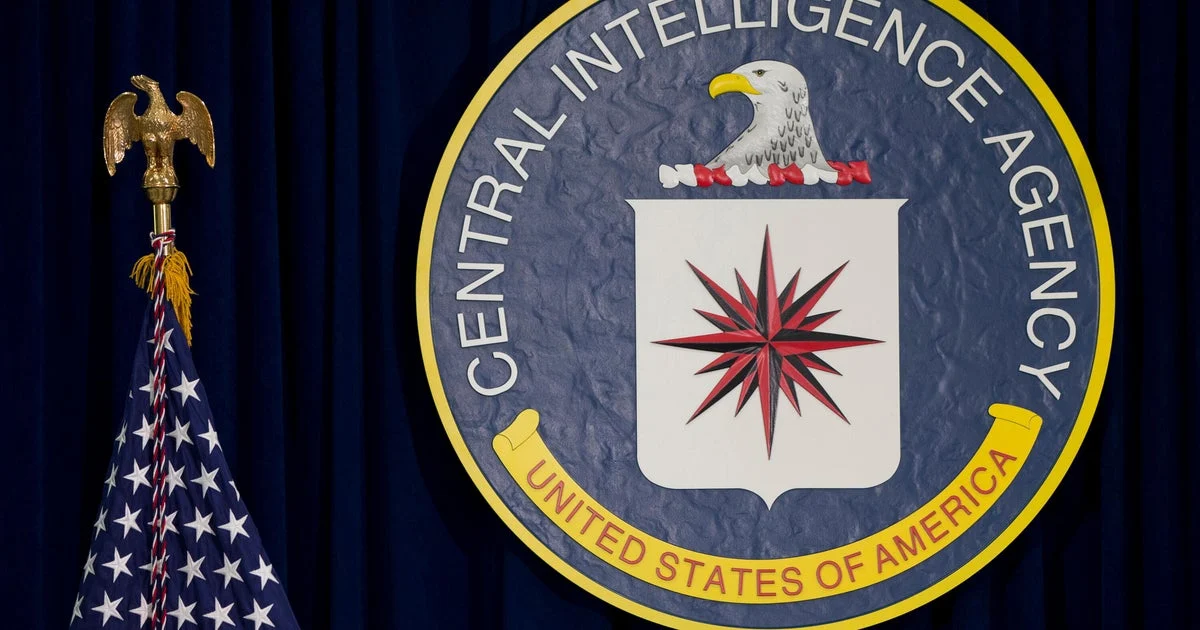
The CIA World Factbook, a widely used source of detailed information about countries and global statistics, was officially discontinued on February 4, 2026, by the Trump administration. The Factbook had been freely accessible to the public since 1975 and served as a trusted reference for students, researchers, and policymakers worldwide.
Legacy of the CIA World Factbook
The Factbook began as a classified intelligence compilation in 1946 after World War II, evolving into a public resource in 1975 amid Congressional scrutiny of U.S. intelligence agencies. It was designed to provide fundamental data on countries’ geography, demographics, government, economics, military, and flags. Over decades, it became an essential educational tool, often recommended for classrooms and research projects.
The document’s origins stem from U.S. intelligence failures during the Pearl Harbor attack, which prompted a centralized effort to collect and analyze basic international data. The CIA formally took responsibility for this task after its establishment in 1947. The publication was renamed the World Factbook in 1981 and went online in 1997, expanding its accessibility.
Reasons for Discontinuation and Public Reaction
The CIA cited evolving agency priorities as the rationale behind ending the Factbook’s publication, indicating that its core mission and needs have shifted away from maintaining this open-source database. This decision has sparked disappointment among educators, researchers, and international observers who valued its comprehensive and reliable information.
The shutdown generated widespread discussion on social media and in academic circles about the implications for access to unbiased global data. Some critics noted the irony that a secretive intelligence agency provided one of the most transparent and curated public knowledge repositories. Others questioned the neutrality of the content given its government origins but acknowledged its practical utility over the years.
University librarians highlighted the convenience of having a centralized, easy-to-use resource available at no cost, remarks that underscored the challenge students and educators will face in locating equally comprehensive alternatives. Archived versions remain accessible but are already outdated in some areas, such as political leadership changes that occurred after the last update.
Why it matters
The discontinuation of the CIA World Factbook removes a unique, government-verified compilation of global intelligence publicly available for free. This limits straightforward, reliable access to basic country data for educational institutions, policy analysts, and the general public. At a time when misinformation and “alternative facts” proliferate online, losing a trusted and centralized reference heightens challenges in discerning accurate information about world affairs.
Moreover, the Factbook’s absence may shift research reliance to commercial or academic databases behind paywalls, potentially restricting equal access to global data. The move also signals changes within U.S. intelligence agencies and how they manage the dissemination of open-source information in a transforming geopolitical landscape.
Read more Politics stories on Goka World News.