
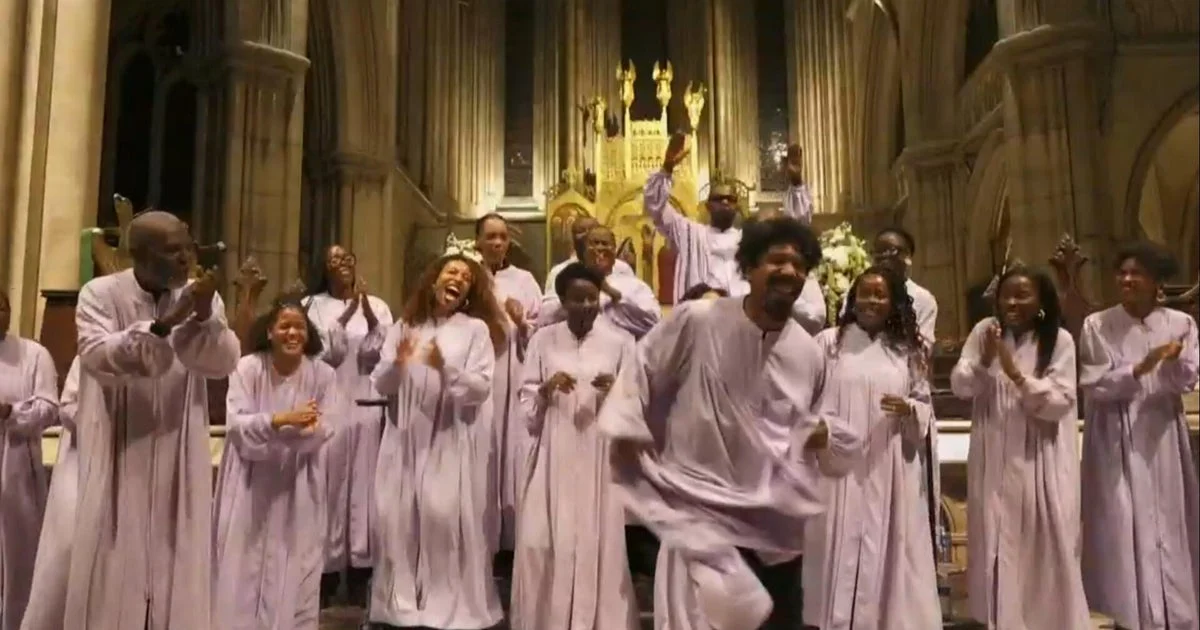
Gospel music, which has its roots in the spirituals sung by enslaved African Americans in the United States, is gaining popularity in Paris, France. This musical genre is now reaching and ministering to diverse audiences in the city, particularly during significant occasions such as Easter Sunday.
Originating as a form of spiritual expression and hope among America’s enslaved people, gospel music has transcended its historical roots to become a source of inspiration and community in Paris. Performances and gatherings centered around gospel have attracted French music lovers and others interested in the emotional and uplifting qualities of the genre.
This growing appreciation for gospel in France reflects broader cultural exchanges between the U.S. and Europe, where African American musical traditions have long influenced global music scenes. In Paris, gospel choirs and concerts often draw crowds looking for both musical enjoyment and spiritual renewal.
Why it matters
The rise of gospel music in France highlights an ongoing cultural dialogue that extends beyond borders, fostering greater awareness and appreciation of African American heritage. As gospel resonates with diverse audiences in Paris, it also contributes to multicultural understanding and community building through music.
Background
Gospel music emerged in the 19th century as enslaved African Americans combined Christian hymns and African musical traditions to create a distinct spiritual sound. Its influence has since spread globally, impacting various musical genres and connecting people through themes of faith, struggle, and hope. The genre’s expansion into countries like France underscores its enduring power and adaptability.
Read more US News stories on Goka World News.