
A diplomatic effort to prevent further escalation in the Iran war is underway, with the White House considering a Pakistani proposal for a 45-day ceasefire to reopen the Strait of Hormuz. However, this initiative faces a critical challenge as President Donald Trump has issued a profanity-laced ultimatum threatening to destroy Iran’s civilian power plants and other infrastructure if Tehran does not agree to a deal by Tuesday evening.
Escalating Military Actions and Retaliations
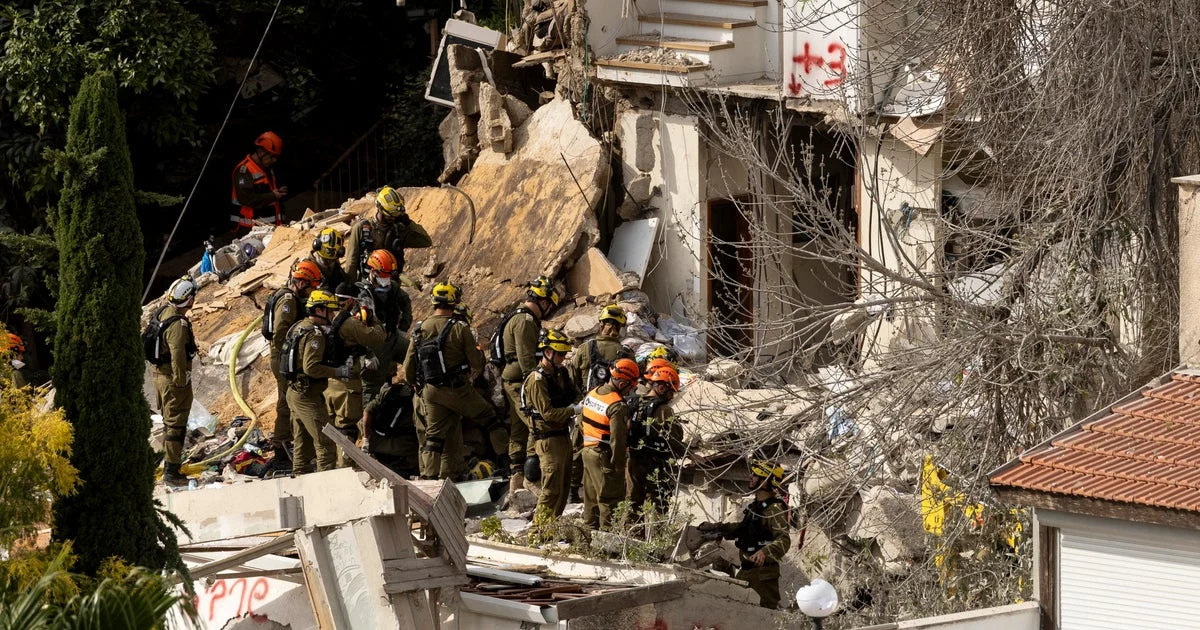
Military tensions remain high after U.S. and Israeli forces continued strikes targeting Iran-backed groups, including the killing of the intelligence chief of Iran’s Revolutionary Guards Corps on Monday. Iran has retaliated with missile attacks in Israel and the Persian Gulf region. The Israeli military confirmed four civilian deaths in Haifa from an Iranian missile strike, raising the total Israeli civilian death toll from the conflict to 21.
Iranian missile and drone attacks have also impacted Gulf states, with the United Arab Emirates reporting 14 Iranian missiles and 19 drones intercepted in the past 24 hours, and four injuries sustained. Jordan reported missile and drone strikes resulting in two moderate injuries and material damage.
International Response and Regional Risks
The president of the European Council, Antonio Costa, condemned attacks on civilian infrastructure, stating that targeting energy facilities is illegal and unacceptable. Costa called for diplomatic negotiations and urged Iran to halt attacks and allow free navigation through the Strait of Hormuz. In response, Iran’s Foreign Minister Abbas Araghchi criticized the EU for not holding Israel accountable in the conflict and denounced Costa’s comments as “disgraceful.”
Meanwhile, a senior adviser to Iran’s supreme leader warned that any U.S. strikes on Iran’s electrical infrastructure would trigger reciprocal attacks against energy targets in U.S.-allied Gulf states, intensifying the regional conflict.
Effects on U.S. and Regional Security
The conflict has also spilled over into Iraq, where Iranian-backed militias launched a drone attack on the U.S. Consulate in Erbil, marking ongoing threats to U.S. diplomatic personnel in the region. The U.S. State Department has urged the Iraqi government to prevent further militia attacks and warned that American forces will defend U.S. personnel and facilities if necessary.
Separately, Israel confirmed responsibility for a strike on Iran’s largest petrochemical complex in Asaluyeh, which caused a fire now reported as under control.
Why it matters
President Trump’s deadline and threat to destroy Iranian civilian infrastructure significantly raise the stakes for the ceasefire proposal, increasing the risk of wider military escalation across the volatile Middle East region. The Strait of Hormuz is a critical global shipping route, and its reopening is vital to international energy markets and regional stability.
Background
The ongoing Iran war involves direct U.S. and Israeli military actions alongside retaliatory missile and drone strikes by Iran and its proxies. The conflict has resulted in hundreds of casualties, including civilians across multiple countries. International actors have called for diplomatic solutions, but recent threats and attacks undermine ceasefire prospects.
Read more World News stories on Goka World News.