
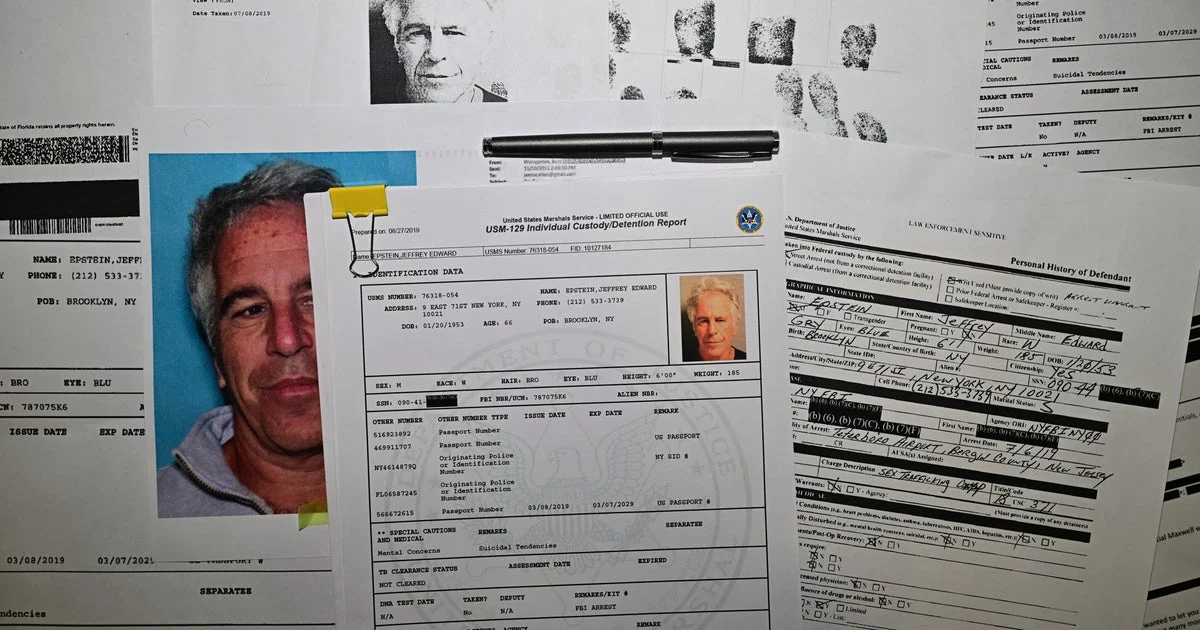
Newly disclosed documents from the U.S. Department of Justice provide fresh details on Jeffrey Epstein’s 2008 plea deal and subsequent jail term, highlighting his unusually lenient treatment during incarceration. Epstein pled guilty to soliciting a minor for prostitution and other charges in Florida but avoided federal sex trafficking prosecution under a deal widely criticized as a “sweetheart” arrangement.
After pleading guilty and surrendering to authorities in July 2008, Epstein spent fewer than four months in a Palm Beach County jail before being granted work release. Under this program, he could leave jail for up to 16 hours a day, six days a week, for nearly nine months, officially to work at a charitable organization he had recently founded, the Florida Science Foundation. Following this period, he was placed under supervised house arrest for a year starting in July 2009.
During the work release, Epstein’s movements were controlled with the assistance of his personal bodyguard and driver, Igor Zinoviev, and his attorney Darren Indyke acted as his reported job supervisor. Epstein hired off-duty sheriff’s deputies to monitor his office and home and to log visitors.
The documents reveal that Epstein’s vehicle used for daily transport between jail and his office was equipped with a bed, and an FBI interview with a woman alleges Epstein engaged in sexual activity with her in this vehicle while it was parked in the jail lot. This woman, a former model from Slovakia who had known Epstein since her teenage years, was granted immunity as one of Epstein’s “assistants” in the non-prosecution agreement approved by then-U.S. Attorney Alexander Acosta.
She described a close relationship between Epstein and some Palm Beach County jail staff, reporting minimal oversight during his incarceration. During her interviews, she also claimed to have engaged in virtual sexual contact with Epstein via webcam while he was in custody. Additionally, Epstein allegedly received preferential treatment, such as influencing the transfer of an unfriendly probation officer and securing a private jail section to avoid general population.
Legal advocates for Epstein’s victims condemned the lack of supervision and the extent of his freedoms during incarceration. Florida attorney Spencer Kuvin, who represented many accusers, criticized the local police’s oversight, noting that this treatment allowed Epstein to continue abusive behaviors despite being in custody. Another attorney, Adam Horowitz, described the woman’s testimony as evidence of how Epstein groomed victims and maintained control even while jailed.
Efforts by some Department of Justice investigators to pursue federal charges were reportedly stymied by the plea deal, though some employees kept files ready should the agreement ever be voided. Epstein was not federally indicted again until 2019, shortly before his death by suicide in a Manhattan jail cell.
Why it matters
The revelations about Epstein’s work release and jail privileges expose systemic failures in law enforcement’s handling of a high-profile sex offender. The leniency of the 2008 plea deal continues to fuel public and legal scrutiny, highlighting concerns over unequal treatment based on wealth and influence. Epstein’s ability to engage in alleged abusive conduct while in custody raises critical questions about jail oversight and victim protection during incarceration.
Background
Jeffrey Epstein, a financier long accused of exploiting underage girls, initially faced federal sex trafficking charges but avoided prosecution after agreeing to a plea deal that limited him to state-level offenses. The 2008 agreement was negotiated by then-U.S. Attorney Alexander Acosta and has been widely condemned by survivors and advocates. Epstein’s case resurfaced in 2019 when he was federally charged in New York, but he died before trial. The Epstein Files Transparency Act recently facilitated the release of additional DOJ documents, offering new insights into the circumstances surrounding his plea and detention conditions.
Read more Politics stories on Goka World News.