
Even if a ceasefire leads to the reopening of the Strait of Hormuz, the ongoing conflict involving Iran is expected to keep global oil supplies significantly disrupted for months, according to an analysis by energy experts.
Henning Gloystein, managing director of energy, industry, and resources at the geopolitical risk consultancy Eurasia Group, outlined that key oil refineries and energy infrastructure damaged during the conflict will require several months to be repaired. Additionally, oil tanker operators in the Persian Gulf would need at least two months to resume normal shipping operations following a suspension of hostilities.
The United Nations reported the Strait of Hormuz remains nearly closed to ship traffic. Transit through the strait plummeted from about 130 ships per day in February to only six in March. The Strait is a critical maritime chokepoint through which a substantial share of the world’s oil supply passes.
Gloystein highlighted that at least 70 large crude oil tankers, collectively capable of holding about 100 million barrels of oil, are currently anchored off Singapore and Malaysia, idle due to the disruptions. These vessels typically transport oil from Gulf producers to Asian refineries.
The transit time for a tanker traveling from Singapore back to the Persian Gulf takes approximately four weeks. This means it could take roughly two months for these vessels to resume delivering Middle Eastern crude to Asian markets after leaving their current positions.
In Washington, President Donald Trump stated that Iran appears to be negotiating in good faith toward a potential ceasefire. However, he emphasized the strategic importance of the Strait of Hormuz, warning that reopening the waterway is a “very big priority” for the U.S. Trump also noted that even a single terrorist attack with mines could easily disrupt shipping through the strait.
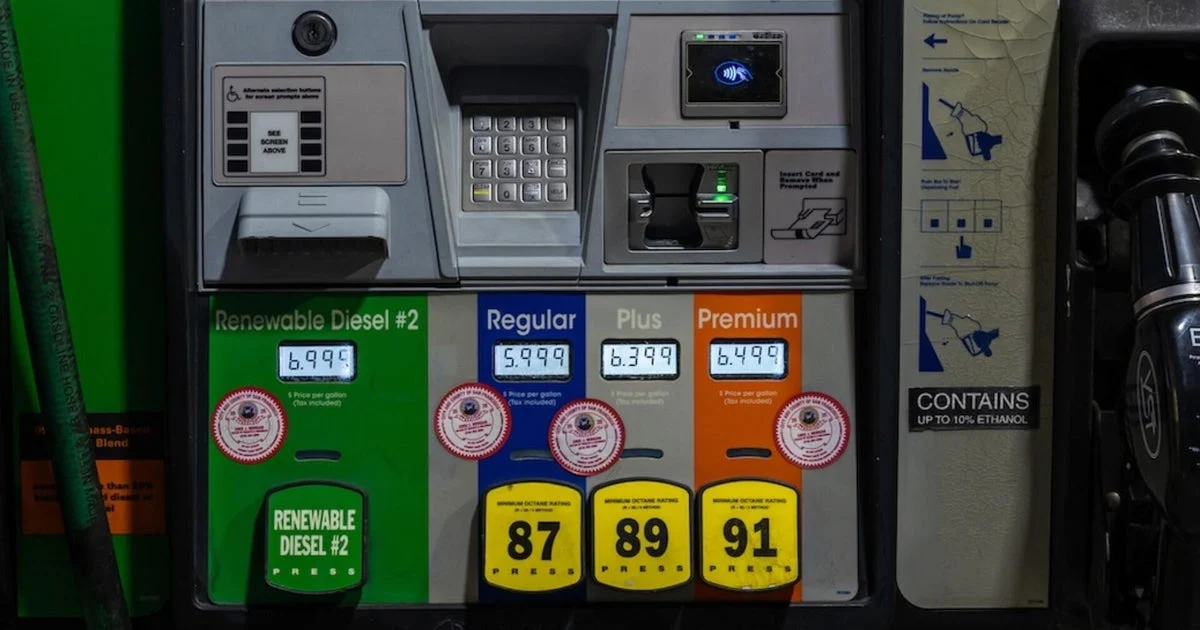
Oil prices reacted to the prospect of easing tensions. On Monday, U.S. benchmark crude rose 1.3% to $113.09 per barrel, while Brent crude increased 1.2% to $110.37 per barrel, maintaining a substantial premium above pre-conflict levels near $70 per barrel. Gasoline prices in the U.S. also climbed, reaching an average of $4.12 per gallon, the highest since 2022.
Gloystein pointed out that even if shipping through the Strait of Hormuz increases, oil markets will remain undersupplied in the near term. This supply tightness has contributed to record-high prices for jet fuel and bunker fuel, essential for aviation and maritime shipping.
Why it matters
The Strait of Hormuz is a vital corridor for approximately one-third of the world’s seaborne oil exports. Extended disruptions risk prolonging elevated global fuel prices and energy market instability. Prolonged repair and operational delays in the region could exacerbate supply shortages despite diplomatic efforts to end hostilities.
Read more Business stories on Goka World News.