
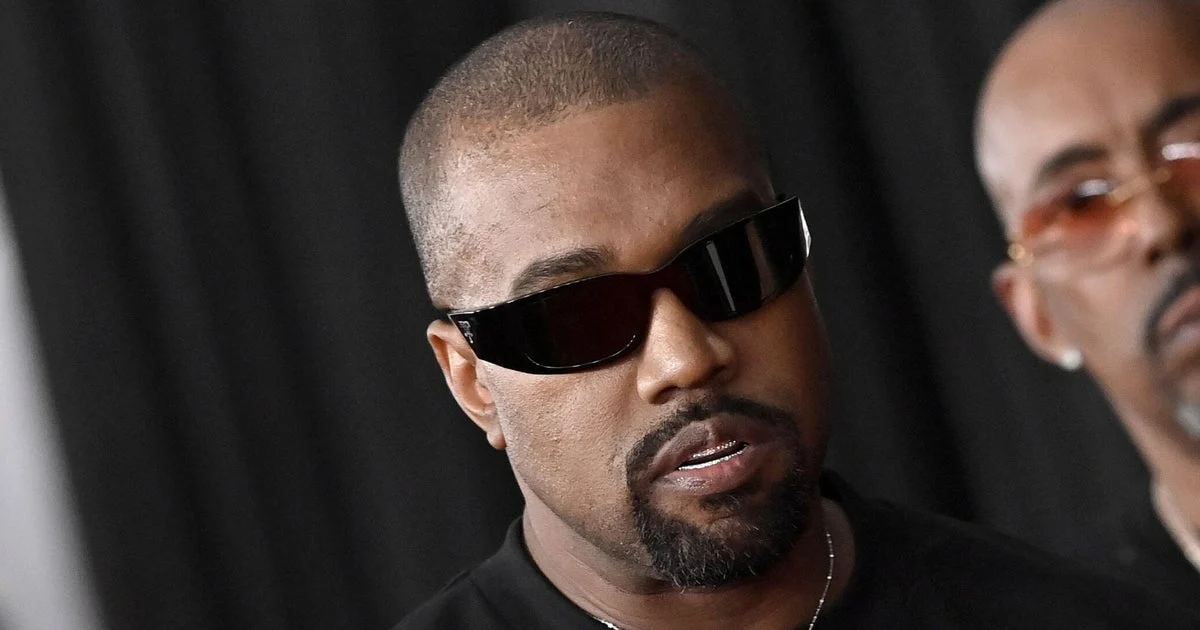
Kanye West, the rapper who changed his name to Ye in 2021, was barred from entering the United Kingdom on April 7, 2026, after the government revoked his electronic travel authorization. This decision came amid widespread backlash over his past antisemitic remarks, including expressions of admiration for Adolf Hitler and a song titled “Heil Hitler.” As a direct consequence, the Wireless Festival, where Ye was set to headline in July, was canceled by organizers.
The Home Office cited the reason for revoking Ye’s travel authorization as concerns that his presence would not be “conducive to the public good.” Ye had been expected to perform his first U.K. shows in over a decade at the Wireless Festival, scheduled from July 10 to 12 in London’s Finsbury Park. Festival organizers announced refunds for ticket holders following the cancellation.
U.K. Prime Minister Keir Starmer publicly condemned the initial booking, stating on social media that Ye “should never have been invited to headline Wireless.” Starmer reaffirmed the government’s commitment to standing with the Jewish community and fighting antisemitism. Health Secretary Wes Streeting also expressed opposition to Ye’s participation, saying the rapper should “absolutely not” perform at the event.
The decision followed mounting pressure from political figures, sponsors, and community groups. Major Wireless Festival sponsors such as Pepsi, Rockstar Energy, and Diageo withdrew their support after Ye’s involvement was announced. The Community Security Trust, an organization protecting British Jews, endorsed the government’s choice, emphasizing that “anti-Jewish hatred should have no place in society.”
Ye had publicly apologized in January 2026, attributing his antisemitic behavior to a manic episode linked to bipolar disorder. In a statement before the travel ban, he expressed willingness to meet members of the U.K. Jewish community and acknowledged that words alone were insufficient to demonstrate change. Phil Rosenberg, president of the Board of Deputies of British Jews, said the community would consider such a meeting only if Ye withdrew from the festival.
Festival organizers Festival Republic initially defended Ye, urging forgiveness and emphasizing that his performance would focus on music currently popular in the U.K. They later issued a statement condemning antisemitism and recognizing the impact of the controversy, while reiterating Ye’s expressed desire to engage in dialogue with the Jewish community.
Why it matters
The U.K. government’s refusal to allow Kanye West entry underscores its stance against antisemitism and reflects increased scrutiny over public figures’ influence. The cancellation of the Wireless Festival headliner spotlights the cultural and commercial consequences when artists face backlash for hate-related conduct. This incident also illustrates the balancing act between freedom of expression, public safety, and community protection in contemporary event management.
Background
Ye’s history of antisemitic remarks has involved multiple incidents, including public statements praising Hitler and merchandise bearing Nazi symbols. In 2025, Australia blocked his entry due to similar concerns. His 2026 apology in The Wall Street Journal followed intensive criticism and sponsor withdrawals in various regions. The Wireless Festival controversy is part of wider societal debates on accountability and rehabilitation for prominent figures who promote hate speech.
Read more World News stories on Goka World News.