
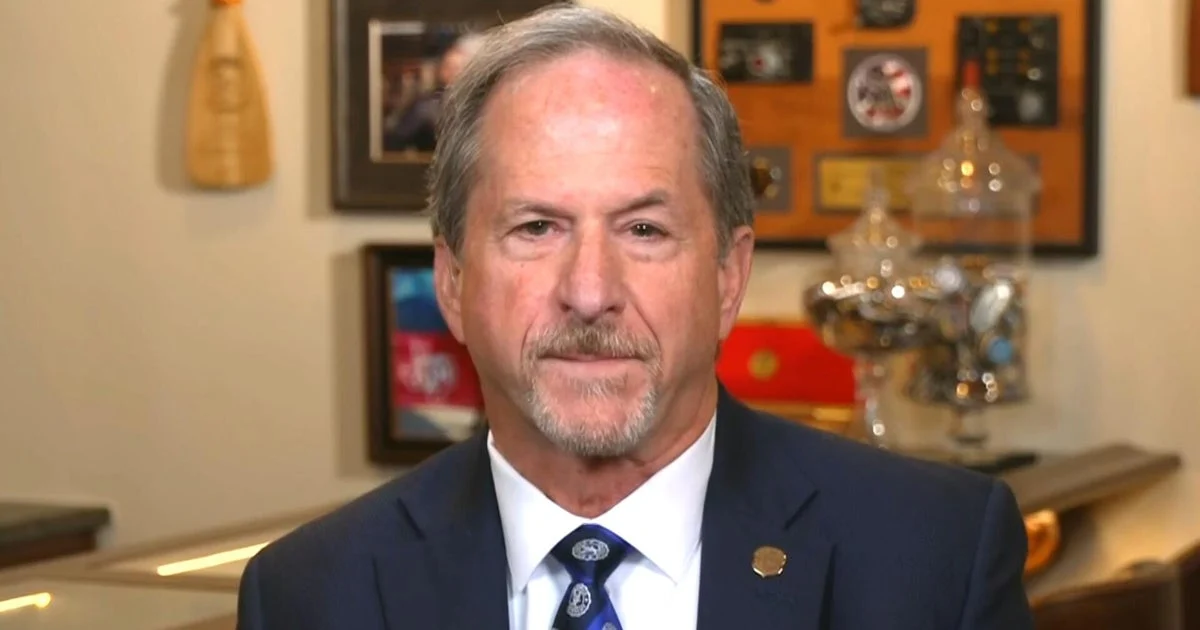
Retired Gen. David Goldfein spoke with “CBS Mornings” about the recent rescue of two U.S. airmen whose fighter jet was shot down over Iran on Friday. Goldfein provided an analysis of the rescue operation and reflected on his own experience when his plane was shot down during a 1999 mission over Serbia.
The two airmen were safely recovered after their aircraft was downed in Iran, highlighting a tense incident amid broader geopolitical challenges. While Goldfein detailed the coordination and complexity involved in such rescues, he also drew parallels to his personal past, recalling the dangers inherent in aerial combat operations.
Goldfein’s 1999 shootdown occurred during a NATO-led campaign over Serbia, underscoring the enduring risks military pilots face in hostile environments. His insights bring historical perspective to the current incident, emphasizing both the continuity of air combat threats and the evolution of rescue capabilities.
Why it matters
The safe recovery of U.S. airmen following a shootdown incident in Iran has significant implications for U.S.-Iran relations and military readiness. Such events test the effectiveness of rescue operations under high-risk conditions and reveal ongoing regional security tensions. Goldfein’s reflections also illuminate the long-standing challenges of aerial missions in conflict zones and the importance of preparedness and resilience among service members.
Background
David Goldfein served as the U.S. Air Force Chief of Staff and has firsthand combat experience, including being shot down during a 1999 NATO operation in the Balkans. His career provides valuable context for understanding the operational risks and strategic responses tied to military aviation incidents like the recent downing of U.S. aircraft over Iran.
Read more World News stories on Goka World News.