
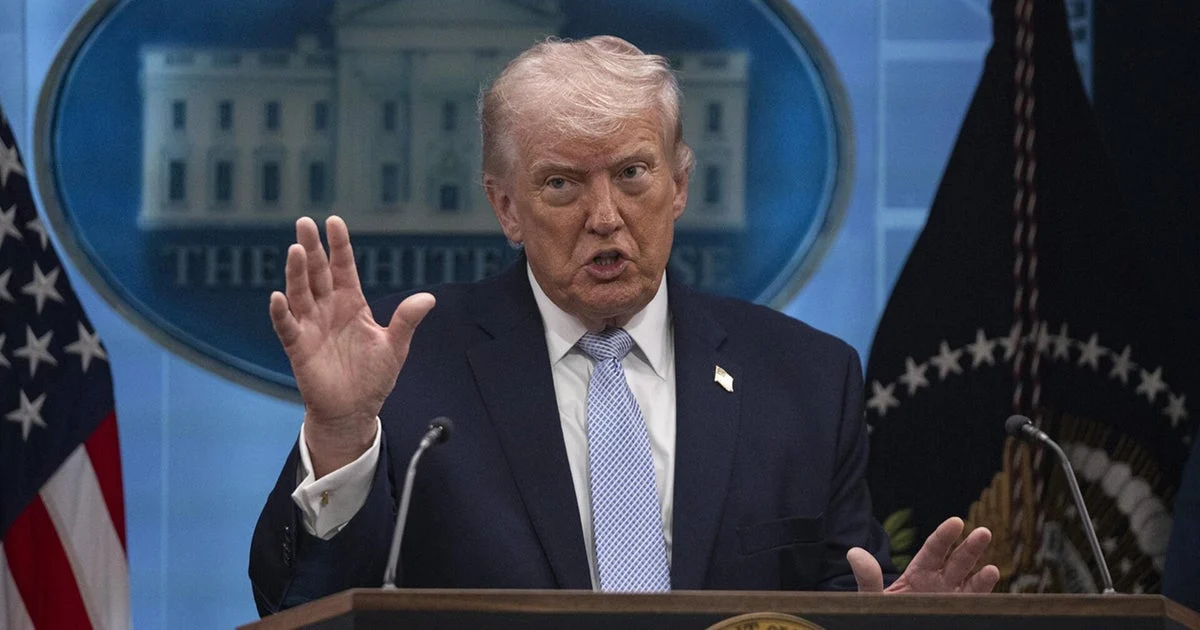
In a Monday news conference, former President Donald Trump defended attacks on Iran’s civilian infrastructure, including bridges and power plants, while warning that the country is running out of time. Trump reiterated threats of further bombings as part of a hardline stance against Tehran.
Trump’s Justification for Targeting Civilian Infrastructure
Trump asserted that retaliatory strikes on civilian targets in Iran are necessary to pressure the Iranian government. He emphasized that damaging bridges and power plants would disrupt critical infrastructure, contributing to economic and logistical challenges for the country.
While details about specific operations or their outcomes were not provided, Trump’s remarks signal a willingness to extend military actions beyond strictly military or governmental assets.
Warning of Escalating Tensions
The former president issued a stark warning that Iran is running out of time, suggesting increasing urgency in U.S. policy toward Tehran. He indicated that failure to alter Iran’s behavior could result in intensified military measures.
Trump did not specify an exact timeframe but implied a nearing deadline for Iran to change course regarding its regional activities and nuclear ambitions.
International and Legal Context
Targeting civilian infrastructure raises questions under international law concerning the protection of non-military targets during hostilities. Such actions could potentially escalate regional tensions and provoke retaliatory measures, increasing the risk of wider conflict.
Trump’s statements come amid ongoing disputes between the United States and Iran over nuclear programs, regional influence, and economic sanctions, contributing to a fraught geopolitical climate.
Read more World News stories on Goka World News.