
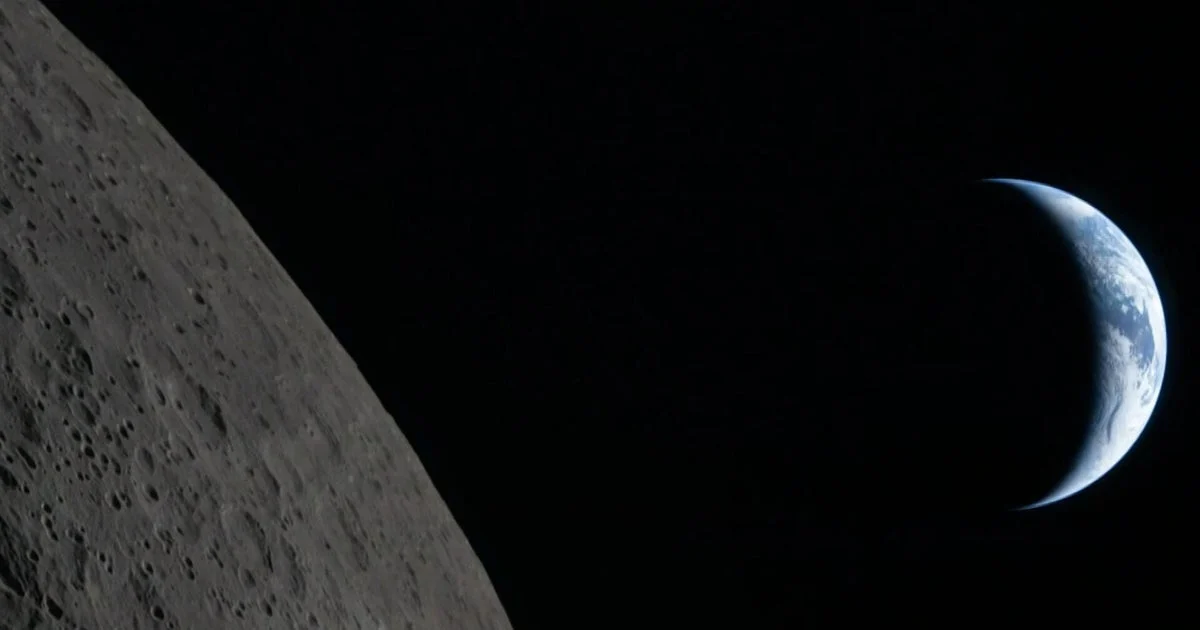
The Artemis II astronauts successfully communicated with the International Space Station (ISS) while both spacecraft were in orbit, marking a significant event in space mission operations. This call occurred nearly 150 years after the first telephone call was made on Earth.
Historic in-space communication
The live call between Artemis II crew members and ISS astronauts represents one of the earliest direct voice exchanges between two human spaceflight missions. The Artemis II mission is NASA’s first crewed flight in the Artemis program, which aims to return humans to the Moon. Conducting such communications underscores the increasing collaboration and connectivity capabilities in modern space exploration.
Significance for Artemis missions
As the inaugural crewed Artemis mission, Artemis II’s ability to contact the ISS affirms NASA’s progress in establishing deeper spaceflight operational protocols. It also demonstrates the astronauts’ capacity to maintain communications while navigating lunar orbit, a key factor for mission safety and coordination during more ambitious lunar landings planned for upcoming Artemis flights.
Why it matters
The successful communication between Artemis II and the ISS highlights enhanced real-time operational coordination as human space missions extend beyond low Earth orbit. This capability reduces risks related to isolation and improves mission flexibility, supporting NASA’s long-term goals of sustainable deep space exploration.
With Artemis II moving toward validating lunar mission systems, establishing reliable communication links in space sets a precedent for future lunar surface operations and eventual crewed Mars exploration.
Read more US News stories on Goka World News.