
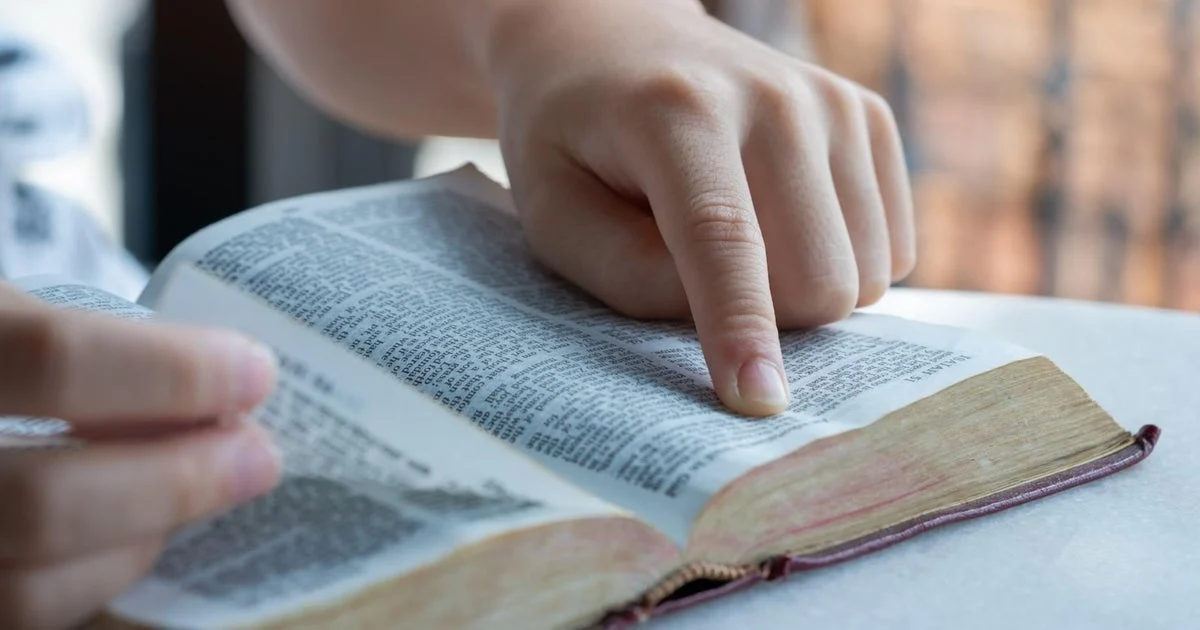
Texas public school students could be required to study Bible stories such as Jonah and the whale under a proposal currently under review by the Texas State Board of Education. The board heard testimony on the proposed reading list that would apply to the state’s 5.4 million students from kindergarten through 12th grade, with a final vote expected in June. If approved, the changes would take effect statewide in 2030.
Proposals and Content Details
The proposed reading list includes biblical narratives alongside classic American literature and works by notable African American historical figures. For example, third graders would study the story of Paul’s conversion on the Road to Damascus, while seniors would explore the Book of Job. Other materials on the list include Dr. Seuss’s The Cat in the Hat, stories about Daniel Boone, and biographies of Frederick Douglass, Martin Luther King Jr., and Harriet Tubman.
These curriculum changes follow a 2023 Texas state law mandating the creation of an approved list of high-quality educational materials, emphasizing a Christian worldview. The state has already adopted optional Bible-infused lessons for kindergarten through fifth grade, covering principles like the Golden Rule and passages from Genesis, with schools receiving additional funding if they implement the curriculum.
Debate Over Religion in Schools
The proposal has ignited debate among religious leaders, educators, parents, and students. Supporters argue that Bible stories are central to understanding American history and values. Nathan Irving, a Texas pastor, said the state was founded on a Christian worldview and described the proposal as delivering essential truth to children.
Opponents, however, warn that including biblical texts in public school curricula could violate the constitutional separation of church and state. Critics say the list could serve as a form of religious proselytization rather than objective education. Rabbi Josh Fixler of Houston’s Congregation Emanu El described it as forcing teachers to cross the line between teaching about religion and teaching religion.
Some parents also expressed concerns over the curriculum’s impact on students of different faiths. Megan Boyden, a Christian mother from Denton, Texas, argued that teaching Bible passages in schools conflicts with her right to instruct her children in her family’s religion and questioned how non-Christian students would be affected.
Others raised logistical issues, noting that the reading list is extensive and may limit teachers’ autonomy in selecting materials.
Related Curriculum Discussions
This Bible reading proposal is part of broader efforts in Texas and other Republican-led states to incorporate religion into public education. Texas recently became the first state to allow chaplains in public schools and enacted a mandate for displaying the Ten Commandments, though some districts removed them following lawsuits.
The board is also considering new social studies standards criticized for focusing heavily on Texas history and American exceptionalism, including requirements to recognize state symbols such as the Texas flag and state song. Critics warn these standards may underplay world events and provide a skewed historical perspective.
Why it matters
The decision by Texas, home to one in ten U.S. public school students, could influence national education policies, especially in states with similar political climates. The debate touches on constitutional questions around church-state separation and the appropriate role of religion in public schools, issues that have recurrently sparked legal challenges and cultural controversies.
Read more Politics stories on Goka World News.